

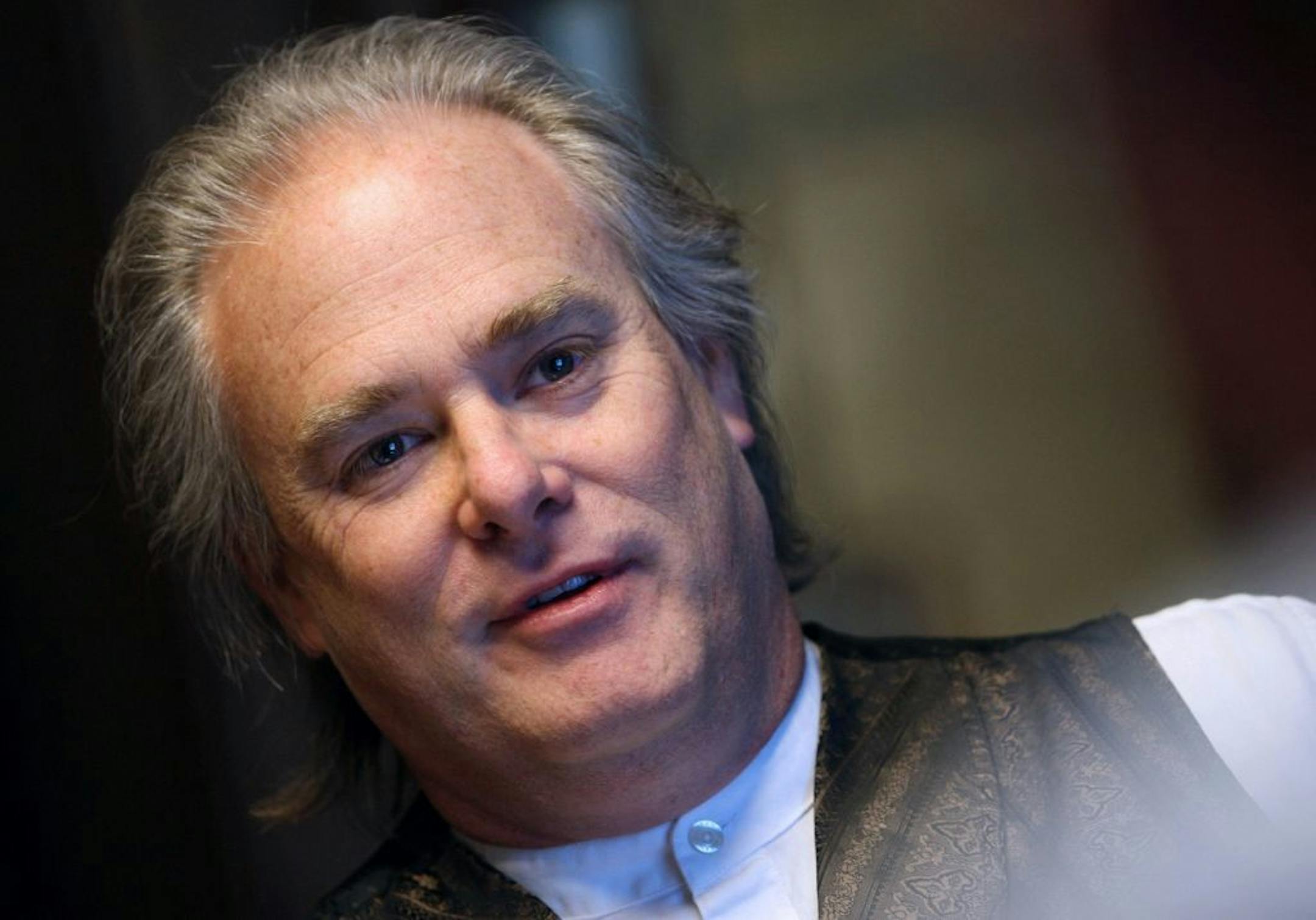
A sperm donor who answered an online ad never intended to be a dad, but now the state of Kansas is suing to make him one -- or at least make him pay child support for the child born to a lesbian couple.
Far-fetched? It could easily happen in Minnesota, which has similar laws regarding parentage and artificial insemination.
Now, a Twin Cities attorney is lobbying state legislators to change the law, which, he says, has failed to keep up with the changing nature of families and fertility science. Minnesota's current law, he says, unfairly punishes single women and gay couples trying to start families and the donors who help them.
"This can happen here, and it shouldn't be able to happen," said Steven Snyder, a Maple Grove attorney who leads the American Bar Association's national work group on assisted reproduction. "Everyone gets that it's not fair."
Like Kansas, Minnesota requires that a doctor oversee a sperm donation if the donor wants to be considered free of parental responsibilities. That's true even though physicians aren't always needed in a world with $29.95 home insemination kits.
That requirement is the crux of the case in Kansas, where William Marotta answered an online ad in 2009 and donated sperm to Angela Bauer and Jennifer Schreiner without a doctor's involvement. When the couple split up, Schreiner sought state welfare benefits for her child. The state argued that Marotta was still the legal father and should pay for about $6,000 of the benefits, as well as child support.
Legal analysts generally agree that Kansas is following the law -- but that it is based on 40-year-old assumptions about parenting that were made before artificial insemination became commonplace.
The Kansas case made national news last week, but the headlines could have surfaced in Minnesota a decade ago, when Mikki Morrissette moved to the state and conceived a child with the help of donor sperm and a home insemination kit.


