

They live in mud huts lacking electricity and running water. They huddle under leaking roofs during torrential rains. They can't afford to pay even a few dollars for mosquito nets that would protect them from malaria.Welcome to Sierra Leone, where maternal and child mortality rates are among the worst in the world, only a fraction of first graders make it all the way through primary school, and 70 percent of the population lives on less than the equivalent of $1 day.
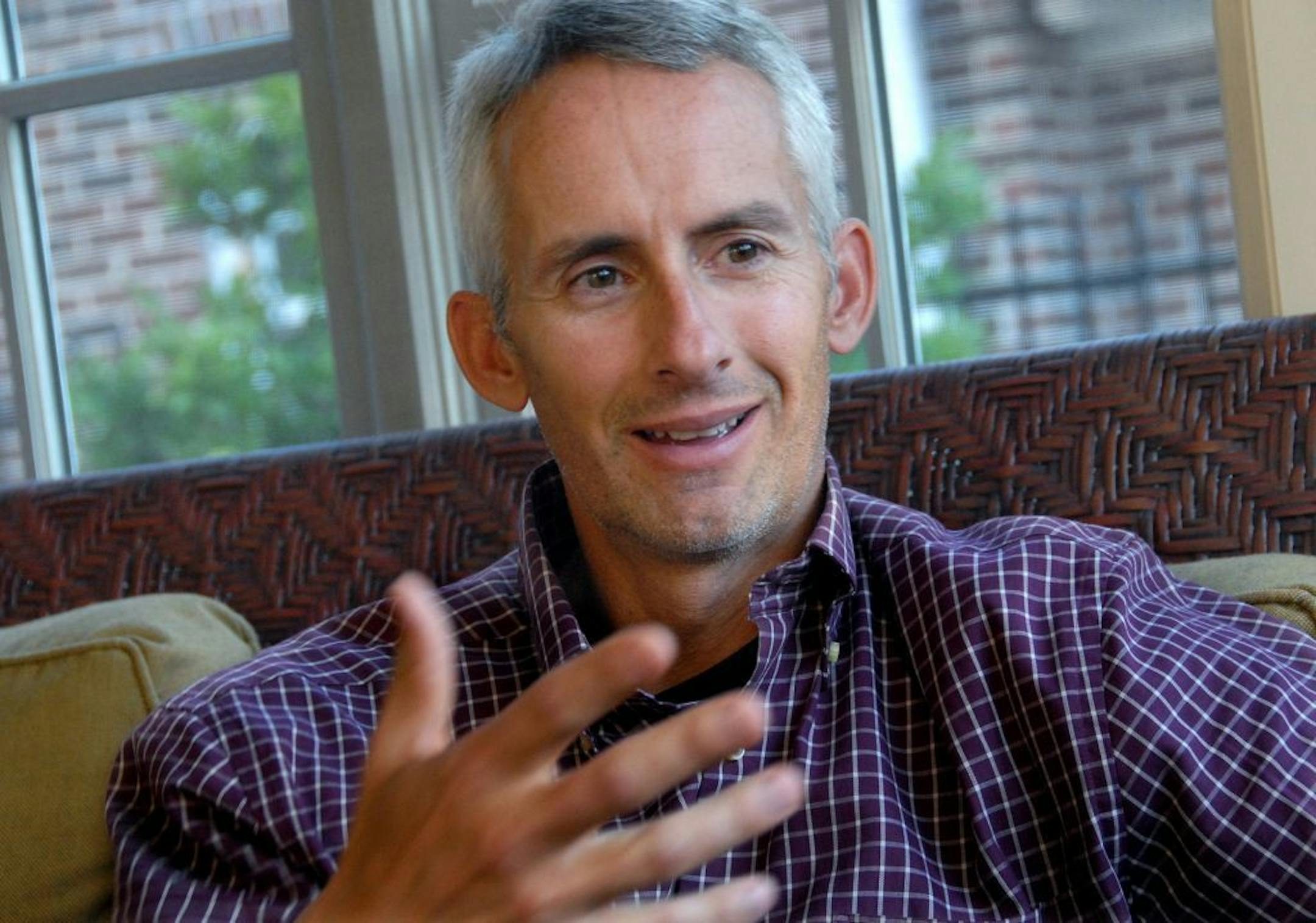
Jeff Hall, a 48-year-old Edina real-estate developer, is doing what he can to help pull residents "out of that state of extreme poverty and constant crisis."
Hall, who grew up in suburban Philadelphia, first worked with the poor in high school. Helping repair homes in Appalachia, he was amazed to find "people just like me who have such different lives." During college, he formed an organization fighting world hunger, and upon graduating knew he wanted to help the world's poorest people. He joined the Peace Corps and asked to go to Africa.
That's how he wound up spending two years in a village in Sierra Leone, "a fantastic experience." Afterward, he kept in touch with friends there, even through the 1990s, when the country was devastated by a civil war that left 50,000 dead and turned many more into refugees in neighboring countries.
"My village got completely destroyed, including the house I lived in," said the softspoken Hall. "I got heartbreaking letters from my friends ... Everything they had was taken away,"
After the war ended in 2002, residents returned to rebuild their village and reclaim their land from the jungle that had overtaken it during their absence. When Hall visited in 2004, he found a collection of mud huts covered with leaking thatch and tarps. Families were forced to stand in rainy-season downpours, holding their roofs in place.
A sturdy zinc roof costs $500. Hall decided to try to raise $100,000 for 200 roofs. Back home, he contacted friends and raised twice that much.
"I was amazed at how generous people were," he said.


