Like my first kiss, I'll never forget my first pair of raw-denim jeans. I'd been thinking about them for months. The anticipation was huge.
When I finally tried on a pair, the feeling was slightly awkward, almost uncomfortable. Still, the rush was undeniable. I know this all sounds ridiculous. But I'm not alone.
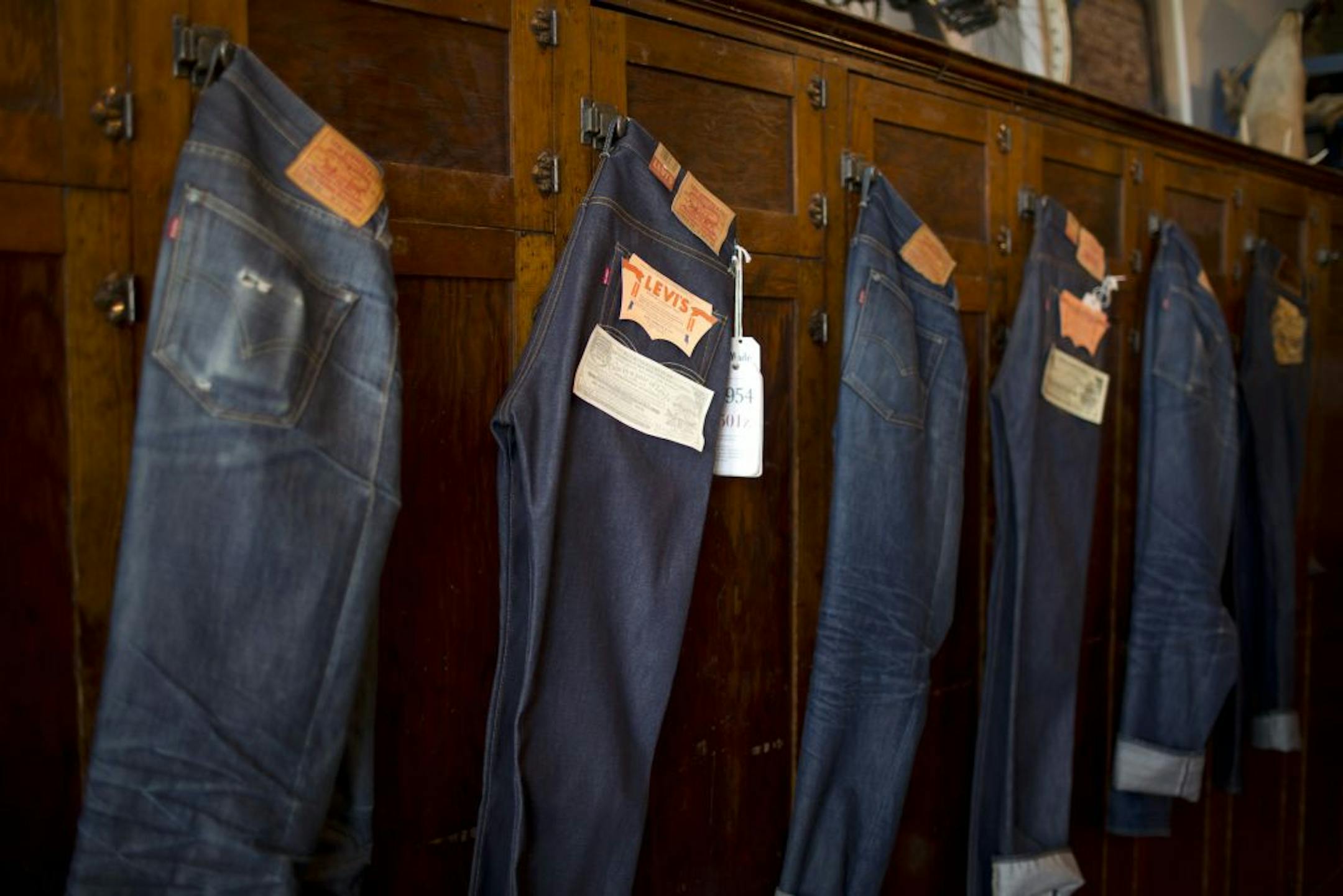
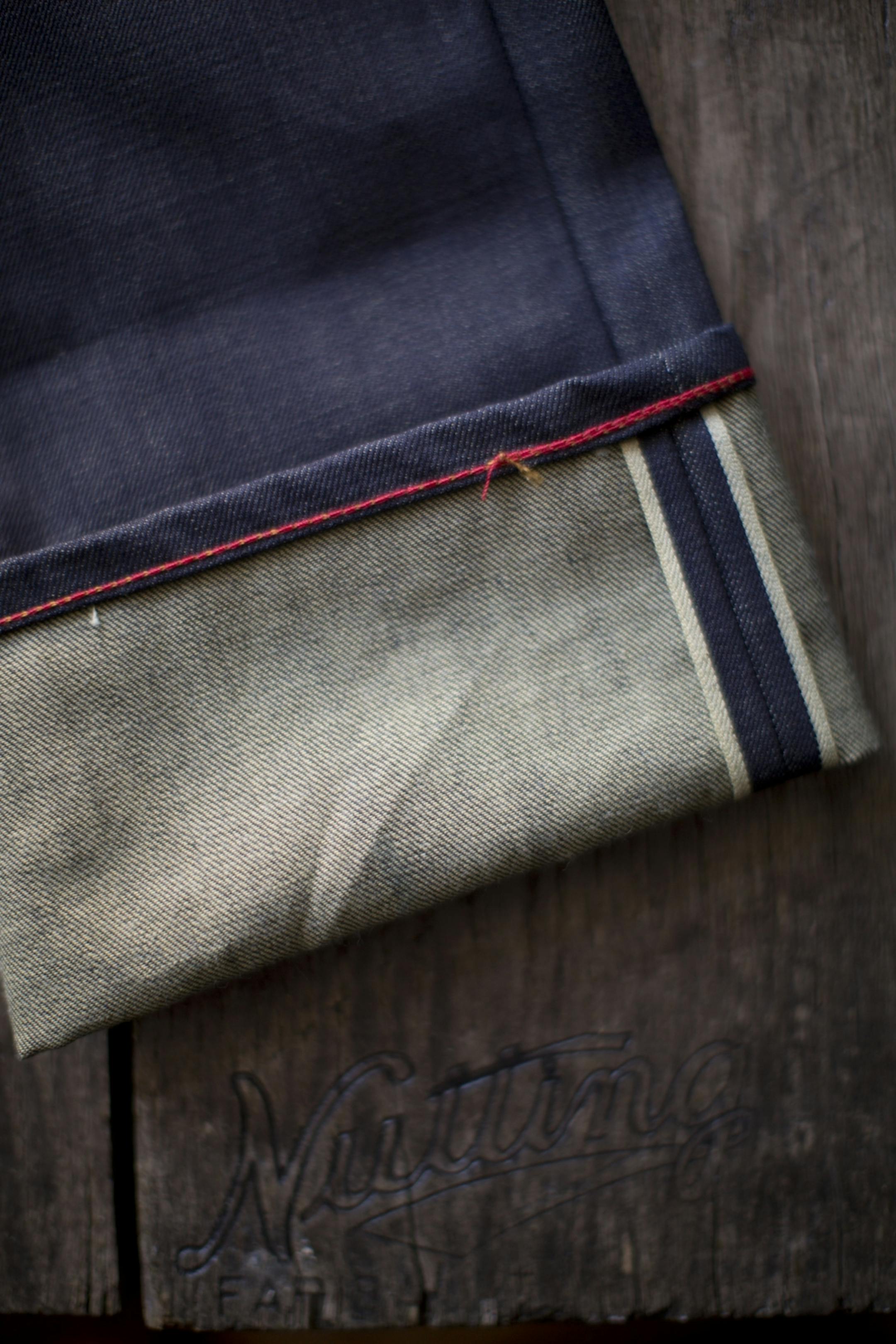
The raw-denim jean has finally gained a foothold in the Twin Cities. It's part of a larger menswear trend -- utilitarian workwear as fashion. Think: Red Wing boots, Duluth Pack bags, Tanner Goods leather. Devotees of these high-end, handcrafted jeans are drawn to the breaking-in process. The pre-made "distressed" look is out. The best denim is made from high-quality cotton, woven in Japan on vintage shuttle looms or made here in America (yes, we still make things!). The time-consuming details and long-lasting quality result in a higher price tag, with most jeans selling for between $125 and $300. These jeans are an investment. (Or maybe a commitment?)
Raw-denim enthusiasts are very particular, maybe even a little obsessive. Comic-book geeks have nothing on these guys.
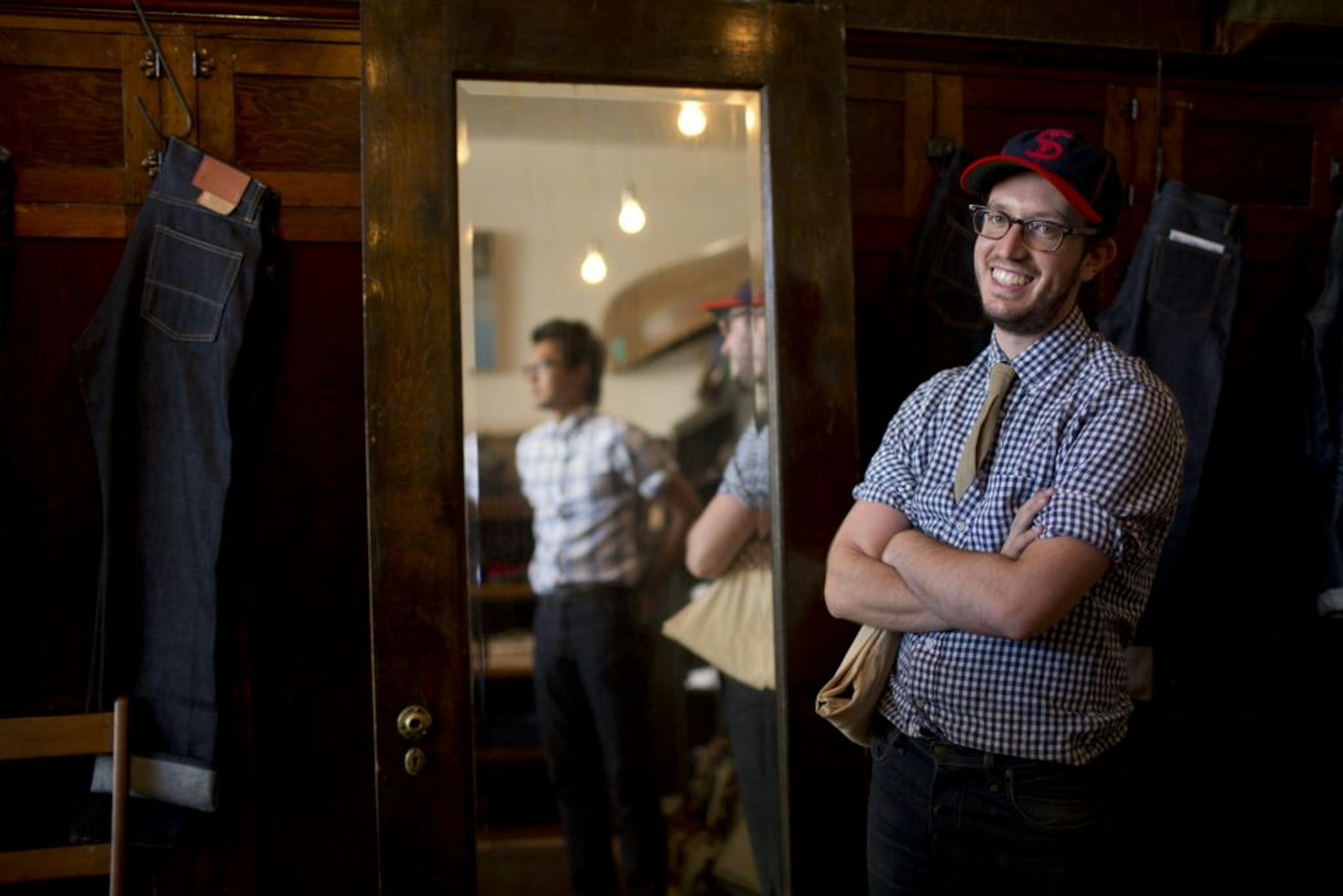
Everyone wears jeans, but I've never heard anyone talk about them like Satchel Moore does. He manages BlackBlue, the St. Paul men's shop famous for outfitting Justin Vernon of Bon Iver with a tweed suit for the 2012 Grammys. The small store specializes in raw denim, carrying eight brands of jeans. Here, Moore is like a denim philosopher, extolling its virtues: I think (about jeans), therefore I am.
Moore, 26, calls raw denim "a living thing" meant to be worn for months without washing. Gross, you say. I thought so, too, at first. But after wearing a pair for half a year, I agree with Moore that this allows the jeans to distress naturally and contour to the body.
BlackBlue's owner, Steve Kang, wore his first pair for seven months without washing them. His final move was wearing them as he jumped into the ocean on a trip to Mexico. Water seems to seal the process, with most denim lovers eventually hand-washing them in a tub of cold water and then hanging them up to dry.
After selling a pair, Moore will often tell the customer: "Come back in a few months and tell us the story of your jeans."