"Onomatopoeia" is not a Yiddish word. But perhaps it should be, given how many Yiddish terms seem to be, well, onomatopoetic.
Expressions such as "schmooze," "tchotchke," "kibbitz," "chutzpah" and "nebbish" sound like exactly what they are, the very definition of onomatopoeia. "Klutz" and "schnoz" and "nosh" seemingly could have no other possible meaning, the way someone called "Roy" or "Sharon" seemingly could have no other name.
Ay (or is it oy?), but there's the rub, the whole chicken-and-egg quandary. Were these words devised to sound like what they mean, or was that a happy accident? Indeed, are they even really onomatopoetic -- a la "roar" and "cuckoo" -- or is it just that they're so descriptive and evocative that they just seem to fit after we hear them once?
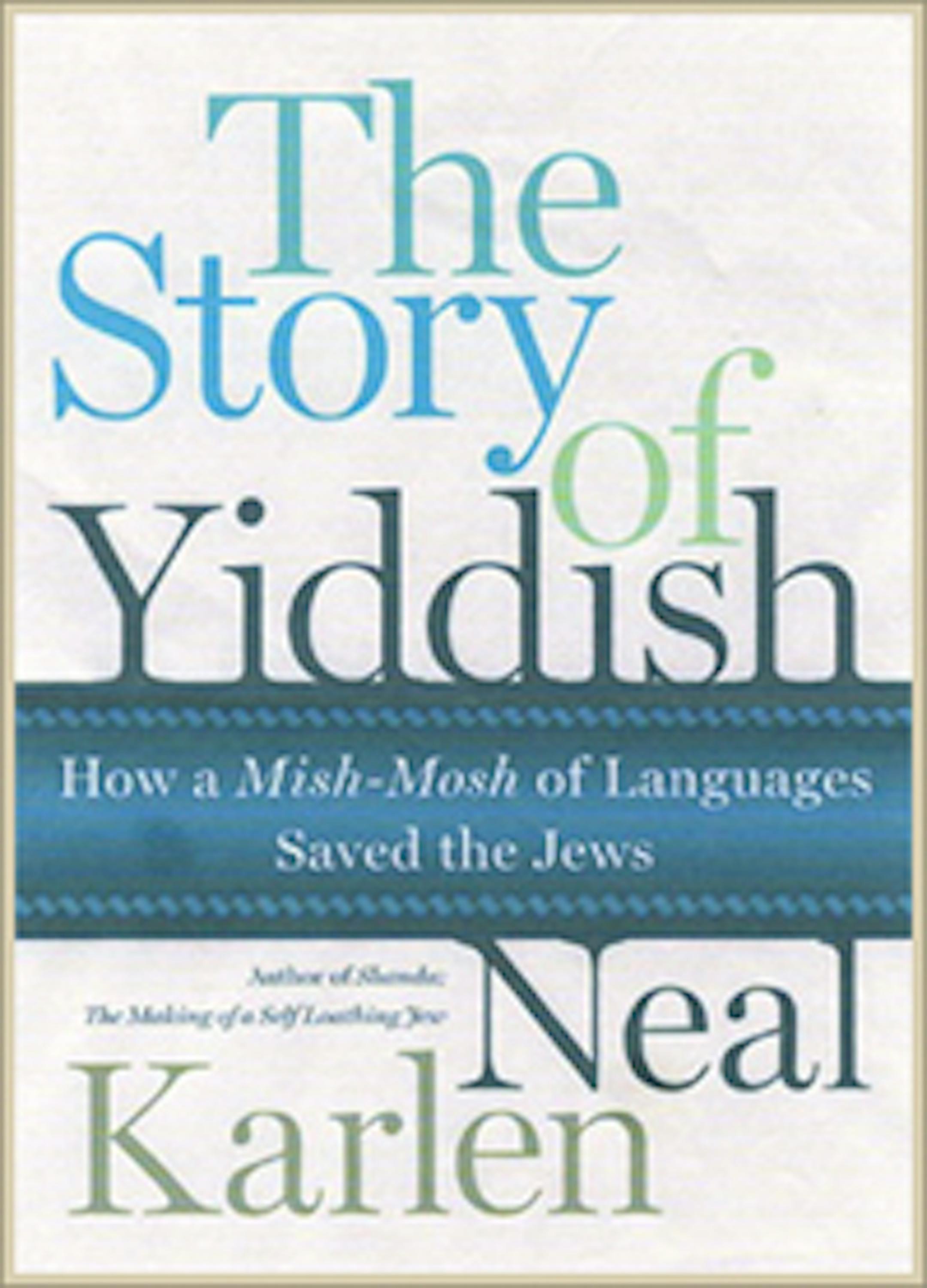
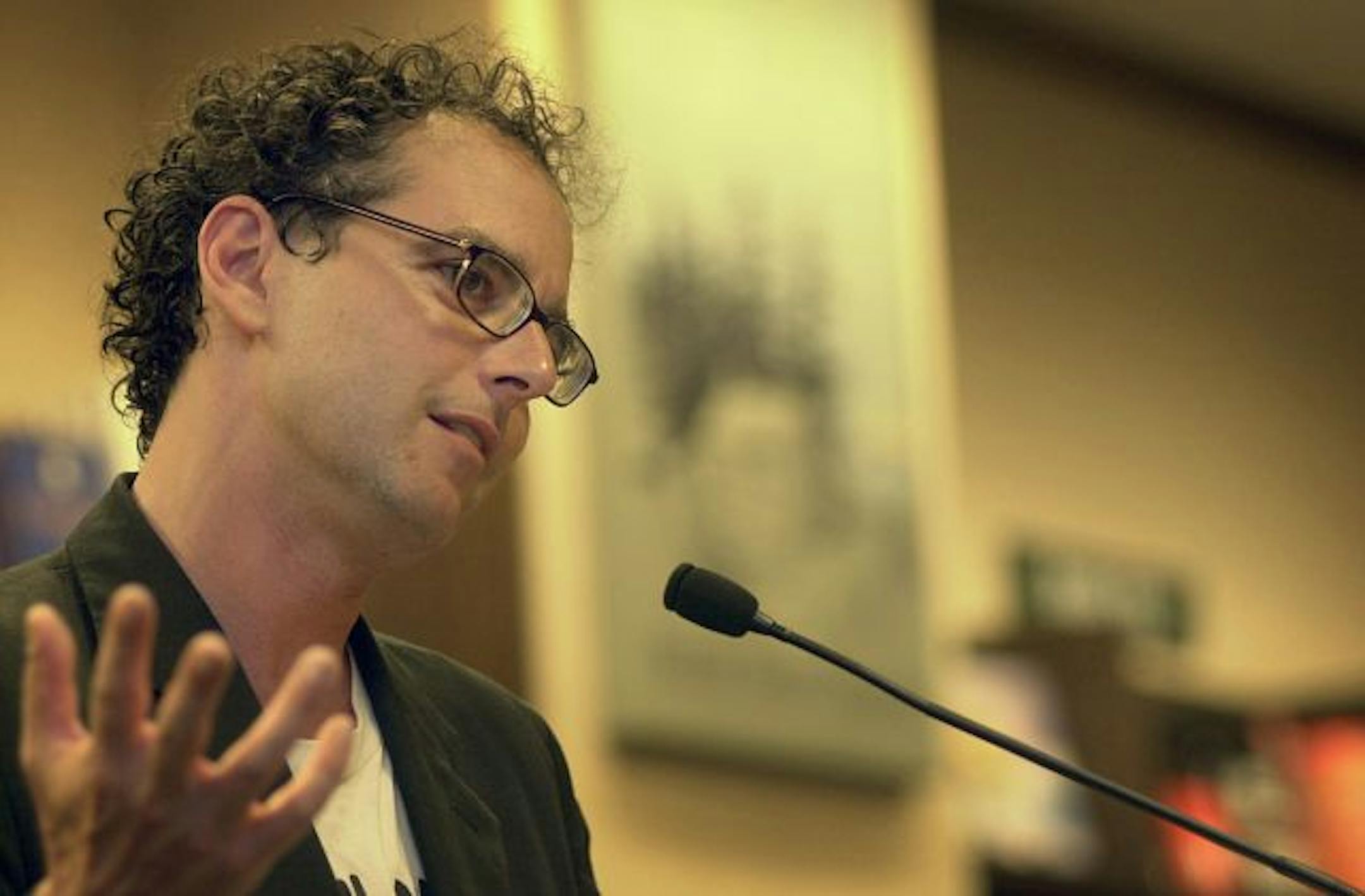
"That so many Yiddish words sound onomatopoetic is the ultimate irony of a language built on irony," said Neal Karlen, author of "The Story of Yiddish" and a Minneapolis resident. "The language was created so that Jews could let their hair down and say what they wanted without being understood or misunderstood by the ruling classes of the diaspora.
"Context, not the sound of the word, which is the essence of onomatopoetic, is the critical component."
Thus, it's only after we encounter "mazel tov" at a wedding, or "nudnik" in a harangue about someone who's a pain in the neck ("nik") that the words take on that "just right" sound. It generally takes only one time hearing "she doesn't know bupkis" or "he fell on his tuchus [or tush]" to recognize not only what these Yiddish words mean, but also that they could mean nothing else.
"A year ago, a young woman from Brainerd was moving into the apartment next door to me," Karlen said, "and she asked me to help her schlep a heavy trunk upstairs. I asked her where she learned that word, and she said she had no idea; in fact, she admitted, I was the first Jew she had ever met.
"But 'schlep,' in her mind, not only meant, but sounded exactly like what it meant -- to lug or drag heavy objects."