

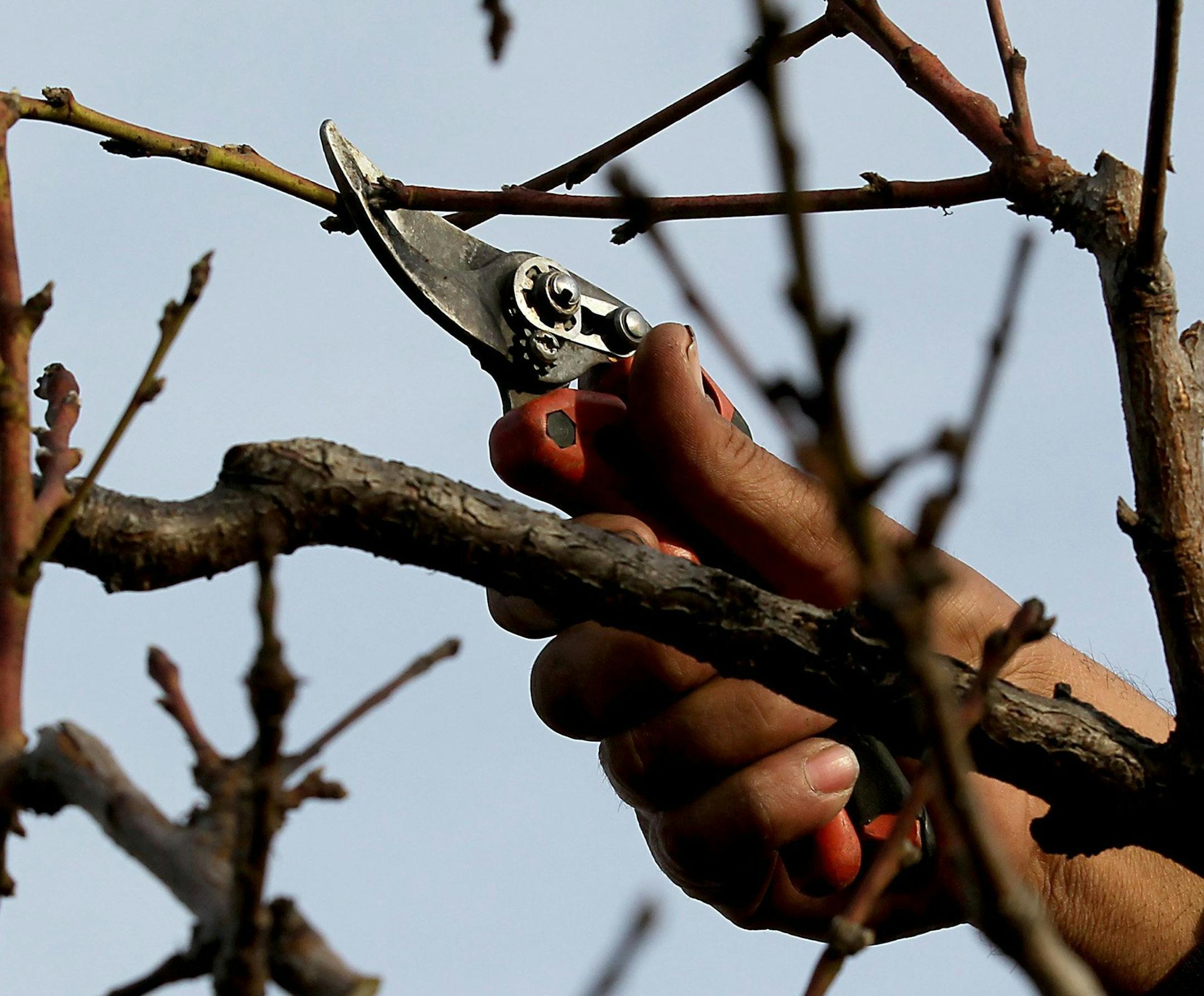
No gardening chore causes more consternation than pruning shrubs.
Maybe it's because, no matter how vehemently we deny it, we're judged by the appearance of our front yards and those often-prominent foundation plants. No one wants to be that neighbor. (You know, the one who lets her shrubs get "out of hand.")
Turns out there are more important reasons to prune your shrubs, especially the beautiful flowering varieties. Proper pruning, done at the right time of year, promotes healthy growth, improves the quality and quantity of flowers, while keeping things a manageable size.
Here's a you-can-do-it primer on pruning.
When to prune
You'll often hear pruning recommendations based on "old wood" and "new wood." But that can get confusing. It's easier to think about when flowering shrubs bloom, in spring or summer. That can determine when to prune.
Spring-flowering shrubs— like lilac, viburnum, chokeberry, weigela, mock orange and flowering cherry — should be pruned right after they flower because the buds for next year's blooms will form on this summer's growth.
Summer-flowering shrubs — such as smooth hydrangea, smokebush, snowberry, potentilla and Japanese spirea — should be pruned in late winter or early spring because those buds will form on new growth the same year.
Pruning at the wrong time typically won't kill a plant, but you may sacrifice flowers for that season. That said, it's not wise to prune in late summer, when shrubs are sprawling. Doing so stimulates a flush of new growth that won't have time to harden off before cold weather comes.


