

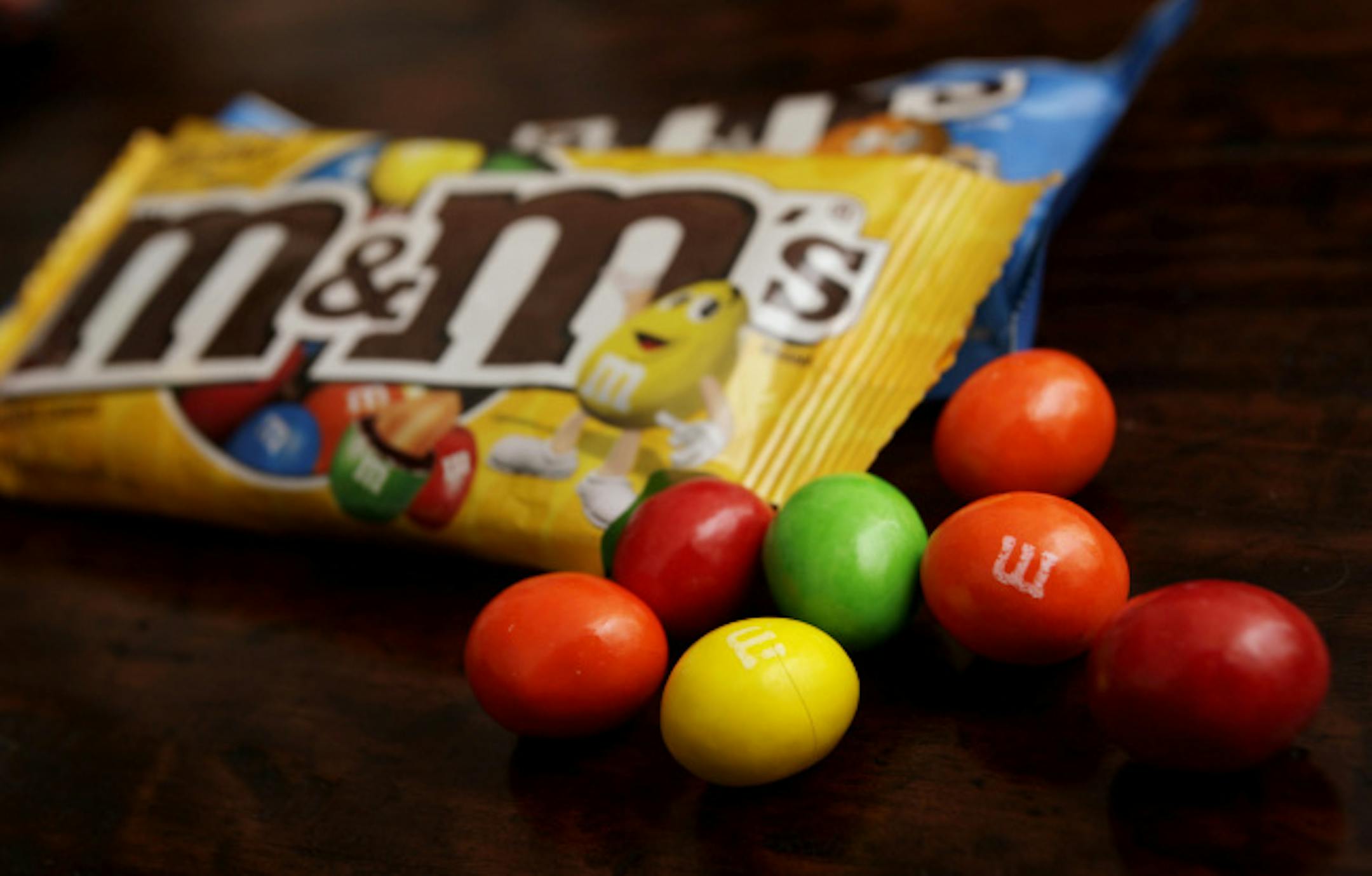
Sugar highs seem to be a part of many kids' Halloween traditions, but no one has ever been able to prove that such a phenomenon actually exists, scientists say.
Parents offer trick-or-treat bagfuls of anecdotal evidence that when their youngsters start werewolfing down their Halloween sweets, the kids end up bouncing off the walls with excess energy. But in a report in the Wall Street Journal, scientists — some of whom admit that they've noted the same behavior in their kids — report that laboratory settings have failed to document the legendary sugar high and its corresponding sugar crash, which, popular belief maintains, follows when the effect of the candy wears off.
The scientists agree that kids get excited when they delve into their bag of goodies, but it likely has more to do with them getting the chance to indulge in something they like. The same thing would happen if, say, you gave Packers fans bags full of cheese curds.
JEFF STRICKLER


