

Americans buy an average of 68 garments and eight pairs of shoes a year, according to the American Apparel and Footwear associations. We never used to amass that much, writes New York author Elizabeth Cline, but the consumer-driven race to produce the cheapest, most on-trend styles has led to a culture of disposable garments.
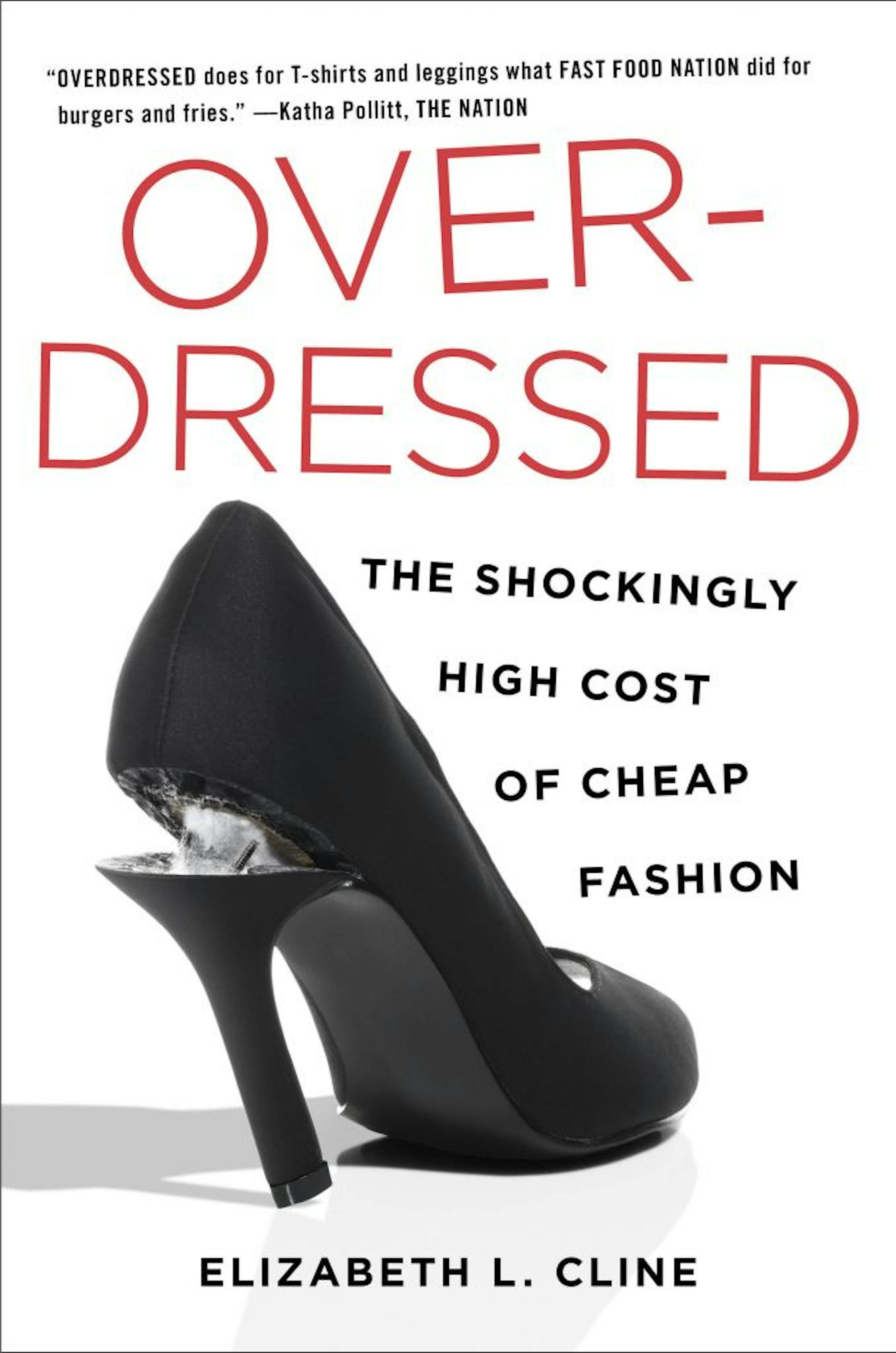
Cline's book "Overdressed: The Shockingly High Cost of Cheap Fashion" is an eye-opener to those of us who feel a sense of accomplishment when we score two pairs of BOGO shoes for $15 or buy four $10 T-shirts, knowing they could wear out in a few months. As her reporting bears out, rock-bottom bargains as the norm are bad for the economy, the environment and how we feel about what's in our closets.
The economy suffers because most clothing production is now outsourced to countries with no environmental regulations and slave-labor wages, Cline writes. The environment suffers because "fast fashion" has added many more production cycles a year, much of which is eventually shredded and put in landfills. A large Salvation Army that Cline visited in New York processes 5 tons of used clothing every day, yet only about 11,000 items ever make it to the resale shop. And our relationship with our clothes, which only a generation ago was much stronger, is now like a one-night stand. It's nearly impossible for mass-produced, poorly made clothes to feel personal, Cline says, so when we look in our closets, we no longer see an expression of our individuality.
"Nearly everyone, including me, shops cheap, easy, disposable fashion," said Minneapolis designer Kimberly Jurek. "I'll go to H&M or Target or Heartbreaker when I need a basic. The problem is in shopping only that way, because then you end up throwing out your closet every season, which is discouraging and sad."
Danielle Everine, another local designer and former "Project Runway" contestant, agrees. She laments the blow that throwaway fashion culture has dealt to "society's view of what their garments are worth."
But a growing interest in "sustainable chic" is taking cues from locavores, applying the same principles to the way we shop for clothes.
"It's a slow clothes movement, like the slow food movement," said Marilyn DeLong, a professor in apparel study at the University of Minnesota's College of Design. "You can always grab a drive-thru hamburger for a dollar and a half, but delicious menus of home-grown food are more wonderful and have memories attached to them. Clothes can be like that, too."
DeLong is part of a team preparing an exhibit on sustainability in the fashion industry, set to open in January at the Goldstein Gallery. The team is interviewing consumers as well as apparel industry retailers to come up with some "best practice" guidelines.


