

SEOUL, South Korea - Investigators have traced a coordinated cyberattack that paralyzed tens of thousands of computers at six South Korean banks and media companies to a Chinese Internet Protocol address, but it was not yet clear who orchestrated the attack, authorities in Seoul said Thursday.
The discovery did not erase suspicions that North Korea was to blame. IP addresses are unique to each computer connected to the Internet, but they can easily be manipulated by hackers operating anywhere in the world. The investigation into Wednesday's attack could take weeks.
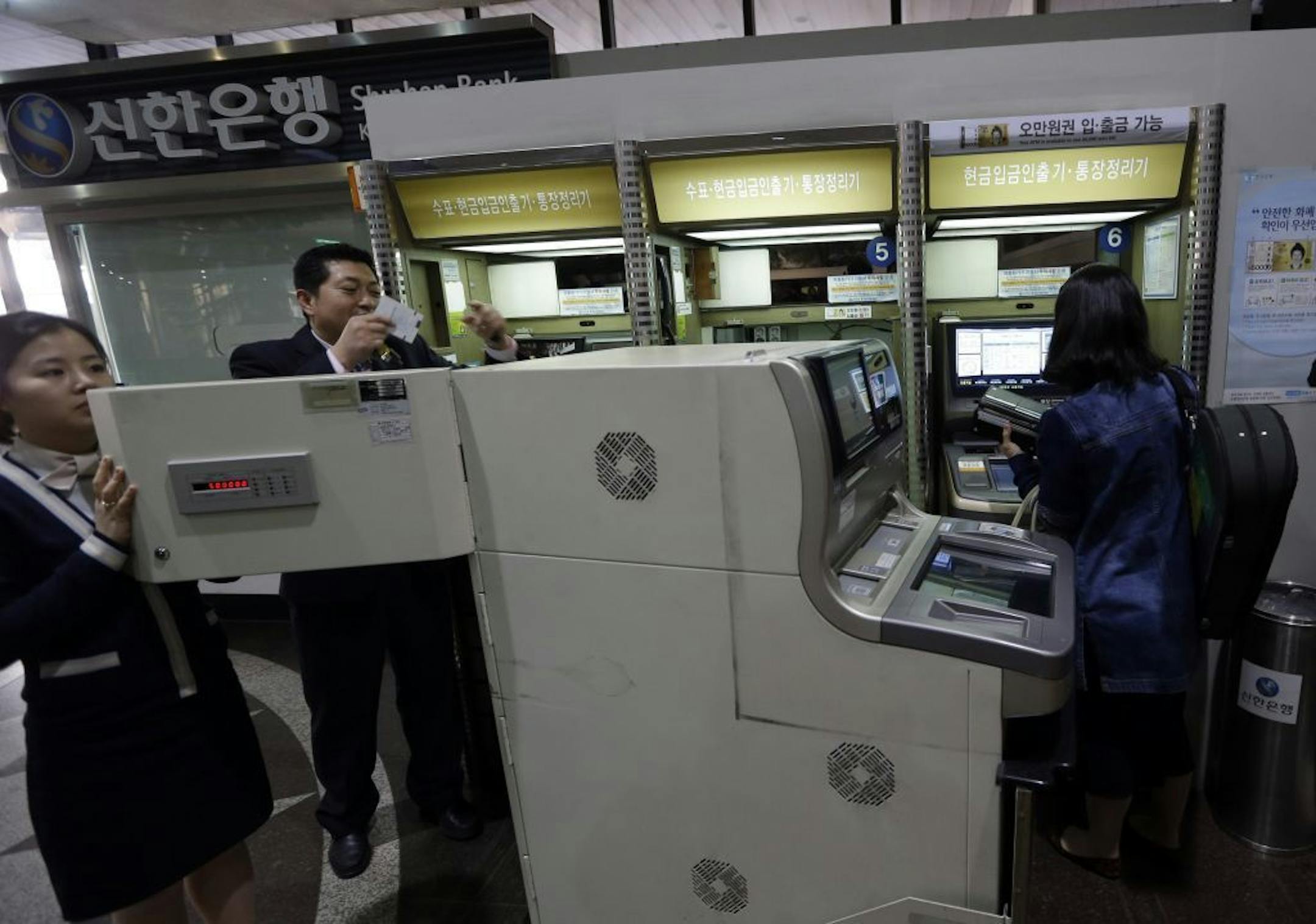
By Thursday, only one of the six targets, Shinhan Bank, was back online and operating regularly. It could be next week before the other companies have fully recovered.
North Korea has threatened Seoul and Washington in recent days over U.N. sanctions imposed for its Feb. 12 nuclear test, and over ongoing U.S.-South Korean military drills. It also threatened revenge after blaming Seoul and Washington for an Internet shutdown that disrupted its own network last week.
North Korea "will never remain a passive onlooker to the enemies' cyberattacks," state media said last week in a commentary. "The U.S. and its allies should be held wholly accountable for the ensuing consequences."
Wednesday's cyberattack did not affect South Korea's government, military or infrastructure, and there were no initial reports that customers' bank records were compromised. But it disabled scores of cash machines across the country, disrupting commerce in this tech-savvy, Internet-dependent country, and renewed questions about South Korea's Internet security and vulnerability to hackers.
The attack disabled some 32,000 computers at broadcasters YTN, MBC and KBS, as well as three banks. Many of the computers were still down Thursday, but the broadcasters said their programming was never affected, and all ATMs were back online except for those at 16 branches belonging to Nonghyup Bank.
The attack may also have extended to the United States. The website of the U.S.-based Committee for Human Rights in North Korea also was hacked, with reports on satellite imagery of North Korean prison camps and policy recommendations to the U.S. government deleted from the site, according to executive director Greg Scarlatoiu.


