Songs of ancient Psalms spread with nightfall through the open windows of the Moses Synagogue. The melodious voices — alternating between Hebrew and Luganda — float over rutted dirt roads and past simple concrete storefronts before becoming whispers in the farms beyond this small town. Under the tin roof, a lizard skitters up the wall behind the wooden, Torah-cradling ark cabinet shaped like the Ten Commandments tablet.
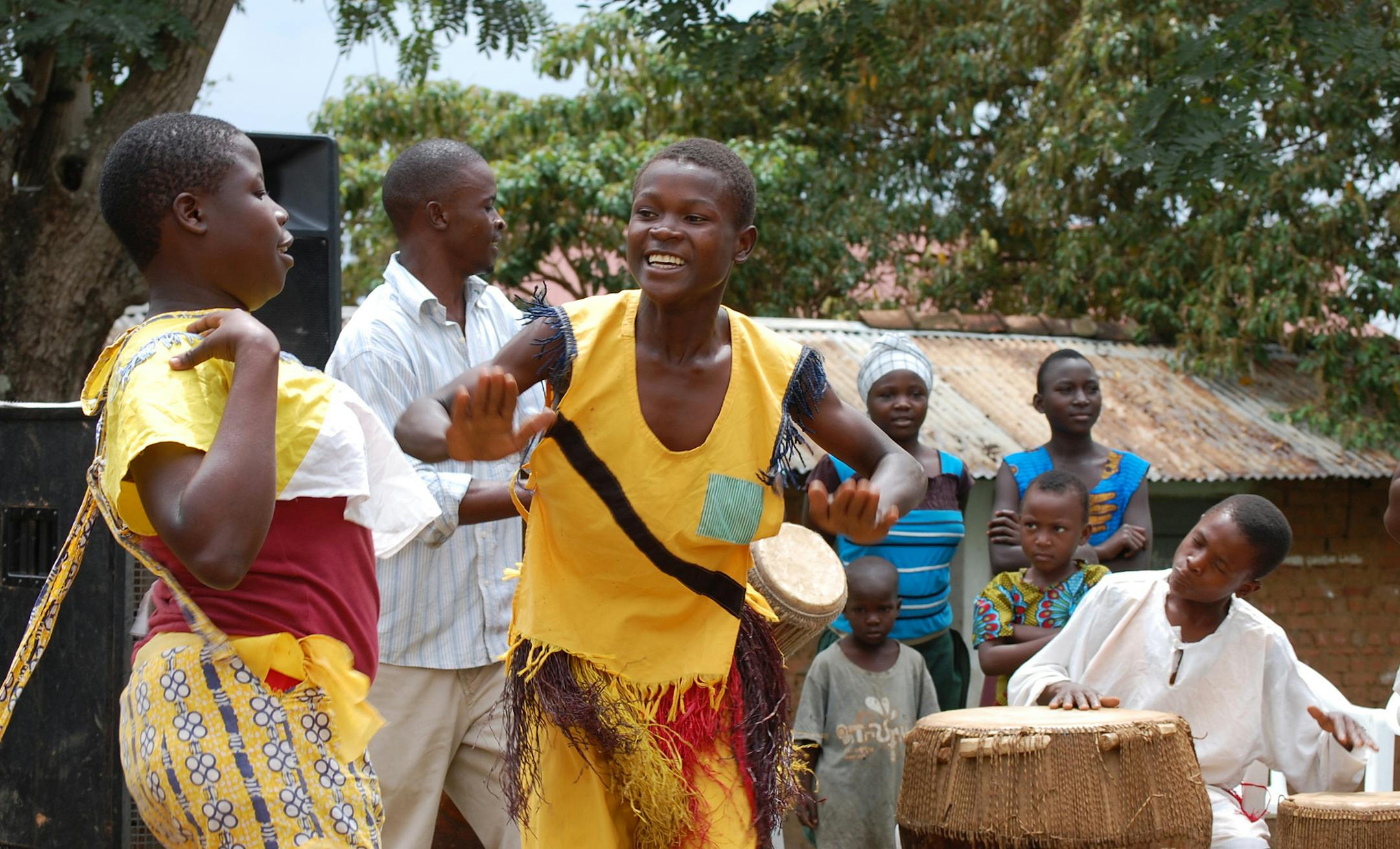
It's Friday evening in Nabugoye, on a remote Ugandan hillside, and members of the Abayudaya community — "The Jews" in the Luganda language — are celebrating Shabbat.
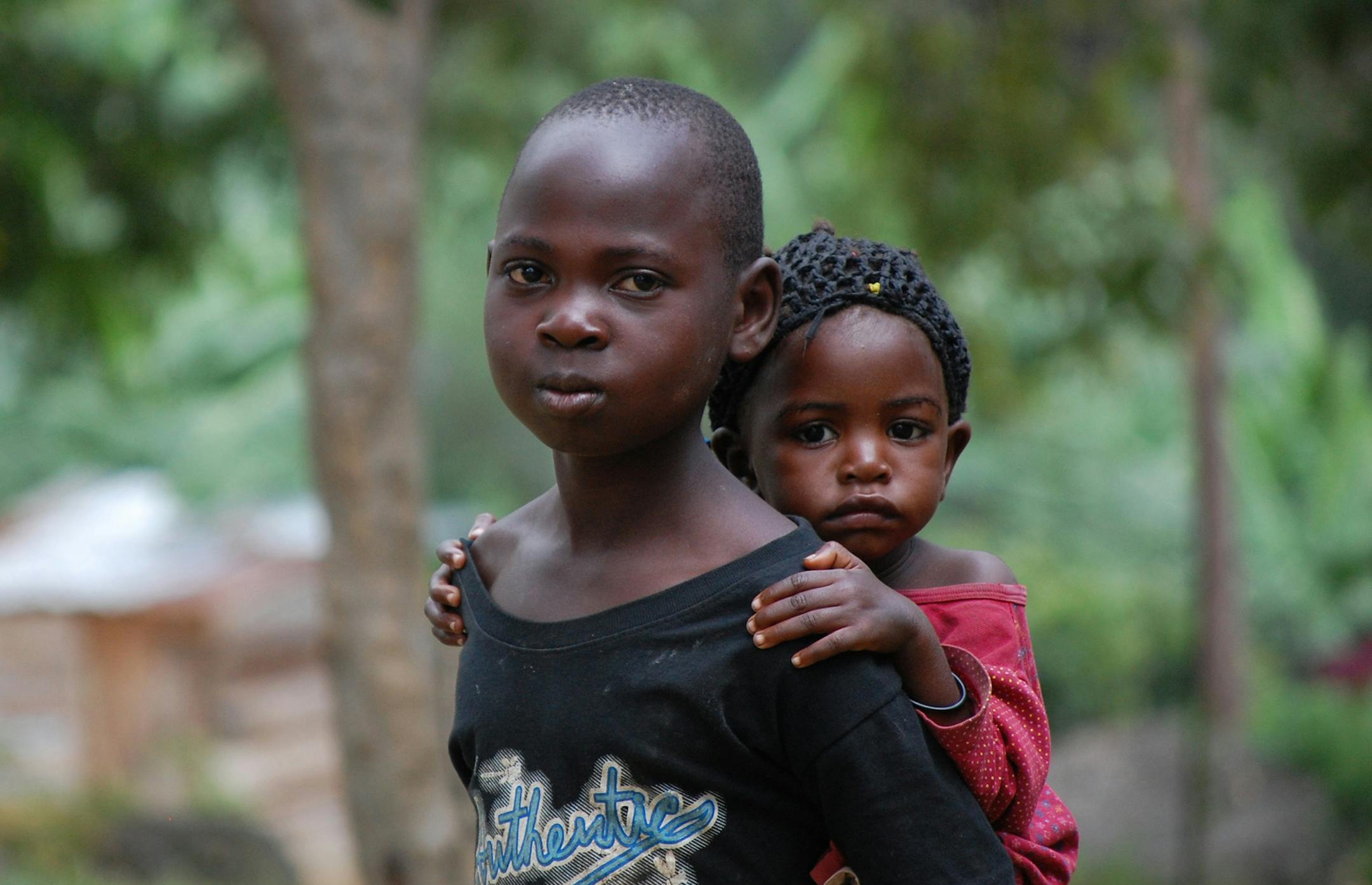
Earlier, while roosters cackled and children played with old bicycle tires, women mixed dough to be kneaded and braided into loaves of challah. A goat, justifiably skittish, was prepared for slaughter to feed this improbable, diaspora-stretching Jewish village after tonight's service.
It's been nearly a century since British missionaries' attempts to convert these people to Christianity landed a bit askew. A tribal leader shrugged off the New Testament in favor of the Bible's first five books.
In 1919, Semei Kakungulu persuaded his people to live like biblical Jews, circumcising baby boys, keeping kosher, following Shabbat rituals and studying those first five biblical books of the Torah. The Jews of eastern Uganda grew in number to more than 3,000, living as subsistence farmers but breaking on Saturdays to read and study from ancient Hebrew scrolls in the land where the Nile River begins its flow north.
But then in the 1970s, Ugandan dictator Idi Amin outlawed Jewish rituals, destroyed synagogues, tortured and persecuted the Abayudaya, prompting hundreds to convert to Islam and Christianity to survive.
A meeting of two worlds
Samuel Kigondere, an 18-year-old wearing a warm smile and a hand-knit blue kipah skullcap, asked if we'd like to take a walk. So my wife and I left the bread-making and goat-slaughtering hubbub outside the hilltop synagogue and strolled down the tawny clay roads that link these villages outlying Mbale, Uganda's third-largest city.
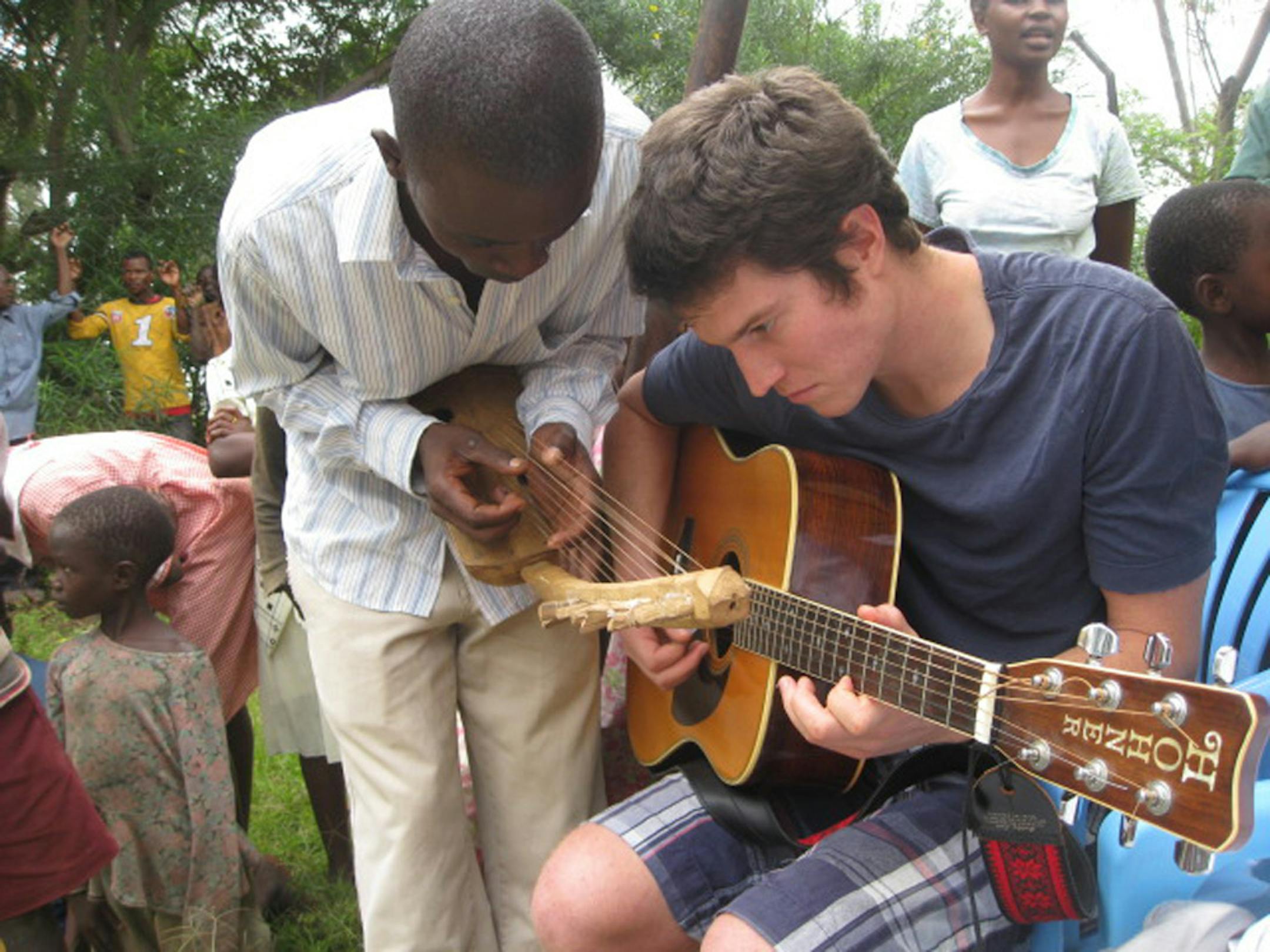
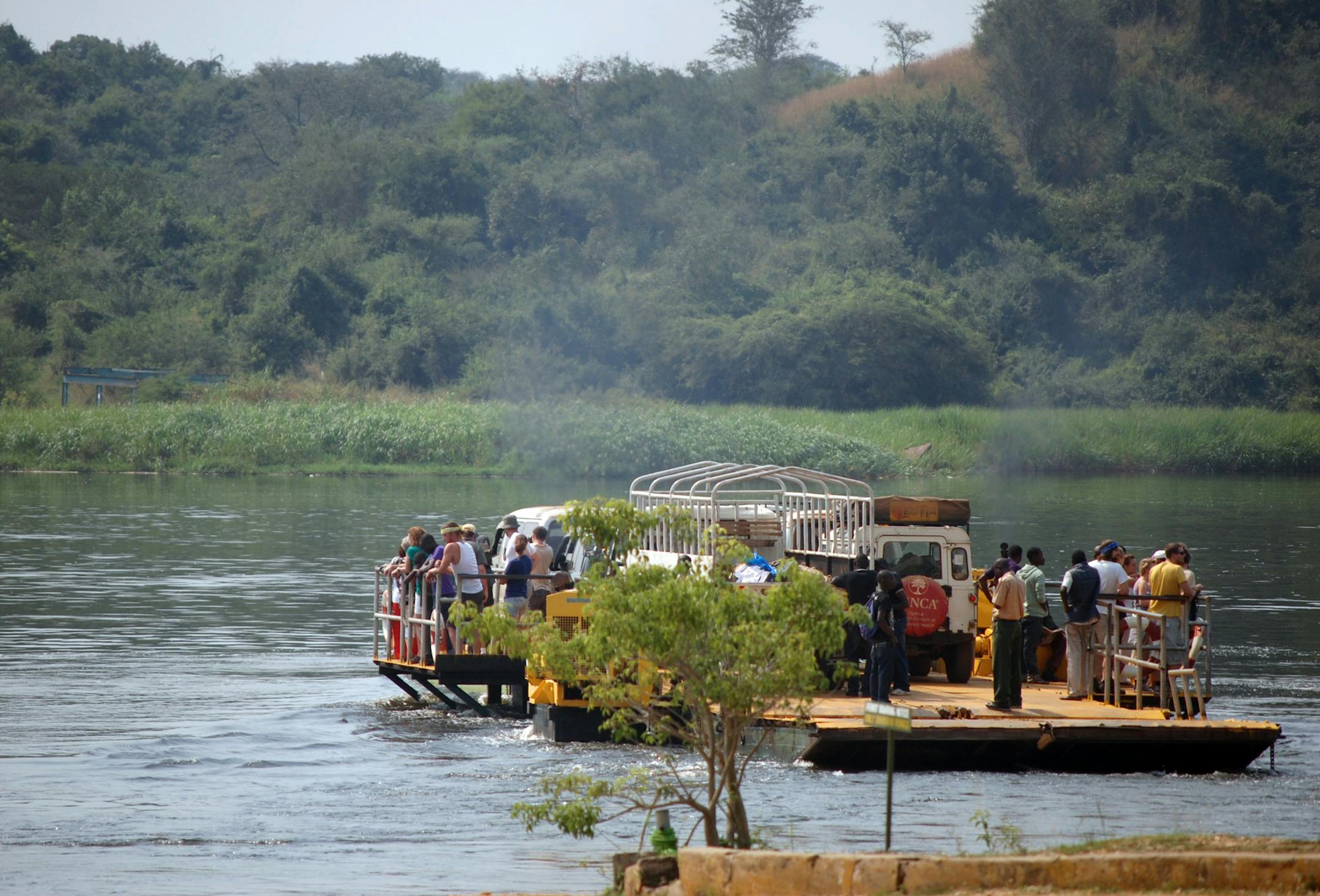
All told, there are six synagogues strewn amid these hills, some with dirt floors and one with a thatched roof. We'd come as part of a 10-member delegation from Minnesota's oldest synagogue, Mount Zion Temple in St. Paul, to befriend our fellow Jews scratching out an existence while chanting the same weekly prayers we do 8,000 miles away.