
In Minnesota hockey rinks, tariffs hit the boards

The dasher boards that line ice arenas in Minnesota contain aluminum components from Canada.

The Minnesota Star Tribune
January 2, 2026 at 9:48PM
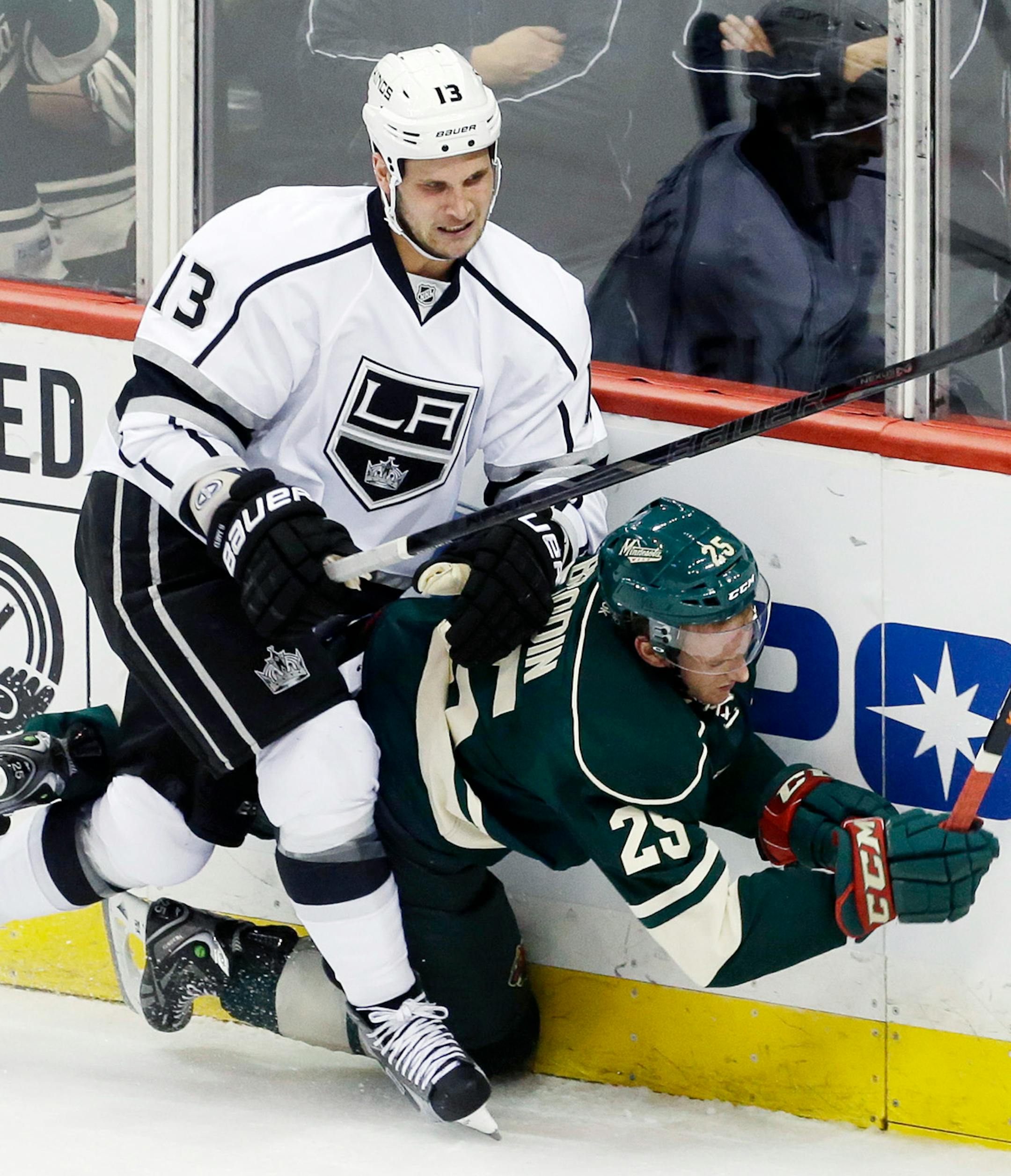
Minnesota Wild's Jonas Brodin (25) gets slammed into the boards by Los Angeles Kings' Kyle Clifford (13) during the first period of an NHL hockey game, Thursday, Oct. 3, 2013, in St. Paul, Minn. (AP Photo/Jim Mone)
Minnesota Wild's Jonas Brodin (25) gets slammed into the boards by Los Angeles Kings' Kyle Clifford (13) during the first period of an NHL hockey game, Thursday, Oct. 3, 2013, in St. Paul, Minn. (AP Photo/Jim Mone) (Jim Mone/The Associated Press)

The whump and clatter of a fierce body check into the boards is a familiar sound during Minnesota winters, where hockey nights form much of the social fabric in many cities and small towns.

But those boards have a heftier price tag now, reflecting how recent tariffs are affecting life in the State of Hockey.

In Mankato, the renovation of the dasher boards at All Seasons Arena in one rink resulted in a tariff bill of $13,000 on a $263,000 project. And in Willmar, a similar ice rink project got an extra $8,100 added on top of a $170,000 bill.

The fees are not the biggest items on the budget, but the added equipment costs hit like a hockey enforcer for Minnesota cities and counties already straining to balance their budgets.

“We are in a period where just overall inflationary factors are stressing county budgets,” said Bob Meyer, Blue Earth County administrator.

“It’s a challenging budget environment, and certainly tariffs are a component of that,” Meyer said. He noted other unexpected tariff fees beyond recreation: The county recently also paid $6,300 extra for a salt and sand shed that had components from Canada.

Behind the new fees are tariffs on foreign aluminum and steel. The Trump administration has expanded use of tariffs known as Section 232 of the Trade Expansion Act of 1962 in a bid to boost domestic metals.

Every time an item such as a dasher board crosses the border, the importer has to pay a fee, which for foreign steel and aluminum is about 50% of the value.

Dasher boards protect bystanders from the chaos on the ice. The ones that were replaced as part of Blue Earth County’s recent $14 million renovation project at All Seasons Arena have extruded aluminum frames.

This aluminum means the Canadian manufacturers of dasher boards have to pay to sell in the United States, which leads to the extra surcharges, said Andrew McRae, CEO of the Canadian-based Athletica Sport Systems Inc.

“You can’t just absorb it; we have to pass it onto the clients,” McRae said of the tariff. “If there’s an increase in costs, businesses will maintain margins, that will mean increased prices.”

He said customers also have had to pay more for replacement glass for hockey rinks because most of that material comes from China, also a country targeted by tariffs.

Athletica used to buy American aluminum and work with a factory in Michigan, but McRae said the costs of paying the tariffs as material moved back and forth across the border convinced him to bring those jobs back to Canada.

Dasher boards are not the only aspect of hockey put in the penalty box by tariffs.

In the spring, Wild owner Craig Leipold told the Star Tribune about concerns that economic headwinds could affect plans to renovate Xcel Energy Center, due to cost increases associated with tariffs and rising construction prices.

And NHL commissioner Gary Bettman told CNBC in March that the economic face-off between Canada and the U.S. could imperil partnerships with the league’s sponsors.

Even hockey sticks have been affected by tariffs, said Jason Miller, professor of supply chain management at Michigan State University.

China accounts for about 80% of the imported hockey stick market, Miller said in a phone call.

The tariffs on Chinese goods means each hockey stick rose 30 percentage points more than before, meaning they’re more expensive to import, raising the price to consumers.

But customers continue to buy hockey sticks from there and companies show little interest in shifting production to America, Miller said.

“China has not lost really any market share,” he said.

McRae, Athletica CEO, said he and other business leaders are in a holding pattern as they figure out how to how to adapt to tariffs.

Until then, he said, the math is simple and painful for local governments in the State of Hockey: “Every dollar that tariffs absorb takes funding away from other projects those cities could be doing.”

about the writer

about the writer

Jp Lawrence

Reporter

Jp Lawrence is a reporter for the Star Tribune covering southwest Minnesota.

See Moreicon

More from Mankato

See More
Minnesota Wild's Jonas Brodin (25) gets slammed into the boards by Los Angeles Kings' Kyle Clifford (13) during the first period of an NHL hockey game, Thursday, Oct. 3, 2013, in St. Paul, Minn. (AP Photo/Jim Mone)
Jim Mone/The Associated Press

The dasher boards that line ice arenas in Minnesota contain aluminum components from Canada.

card image
card image