
'I Hotel' author addresses activism

Carleton grad Karen Yamashita returns to Minnesota to discuss her novel on the civil rights struggle of Asian-Americans.

January 29, 2011 at 1:17PM
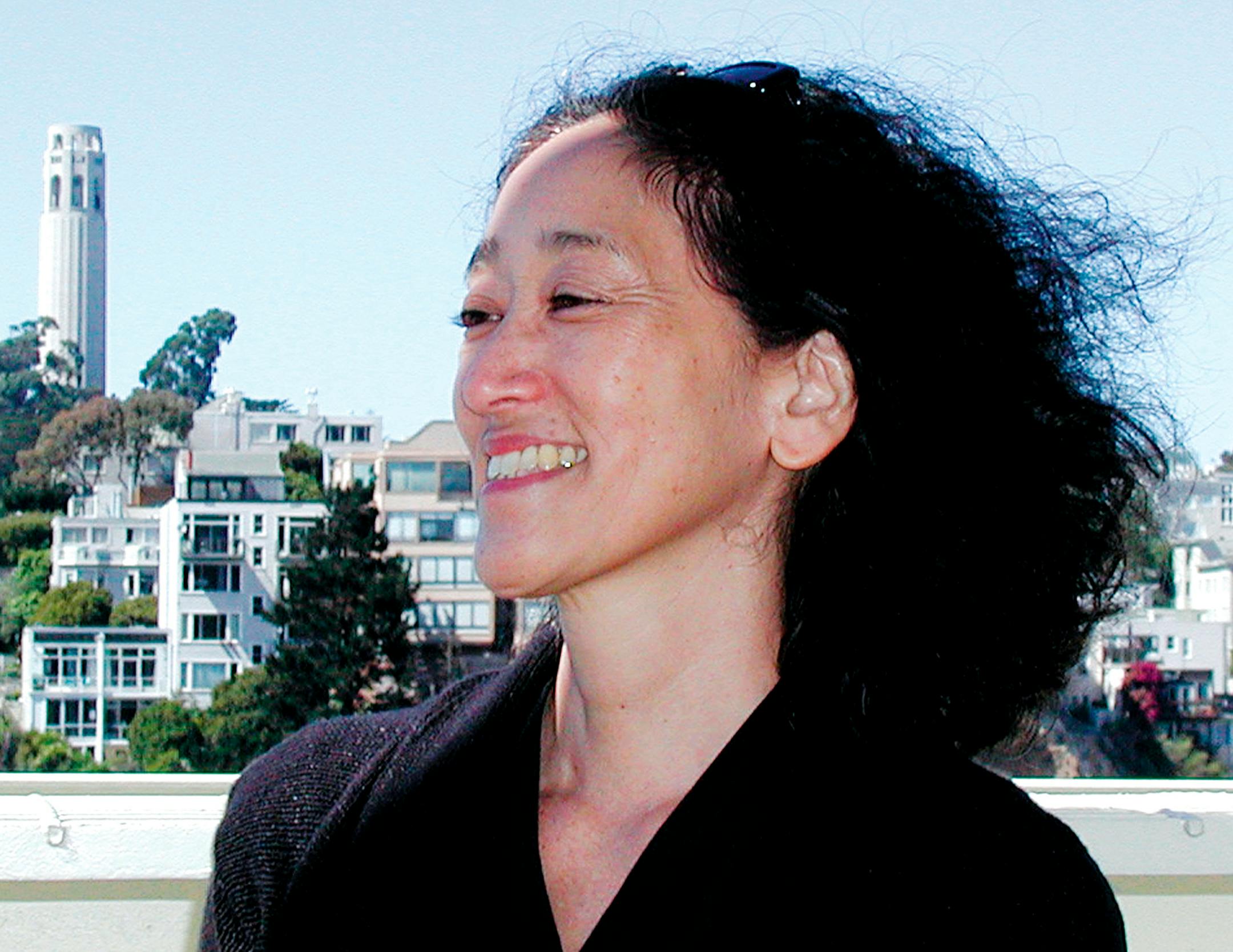
Karen Tei Yamashita
Karen Tei Yamashita (Tom Herberg/The Minnesota Star Tribune)

In the late 1960s, the Black Panthers laid down their radical roots in Oakland as San Francisco's flower children took over Haight-Ashbury and gays staked a claim on the Castro. At the same time, another, less-remembered revolution was unfolding at a rundown old hotel on the edge of the city's Financial District -- the Yellow Power Movement, which gave birth to the term "Asian-American."

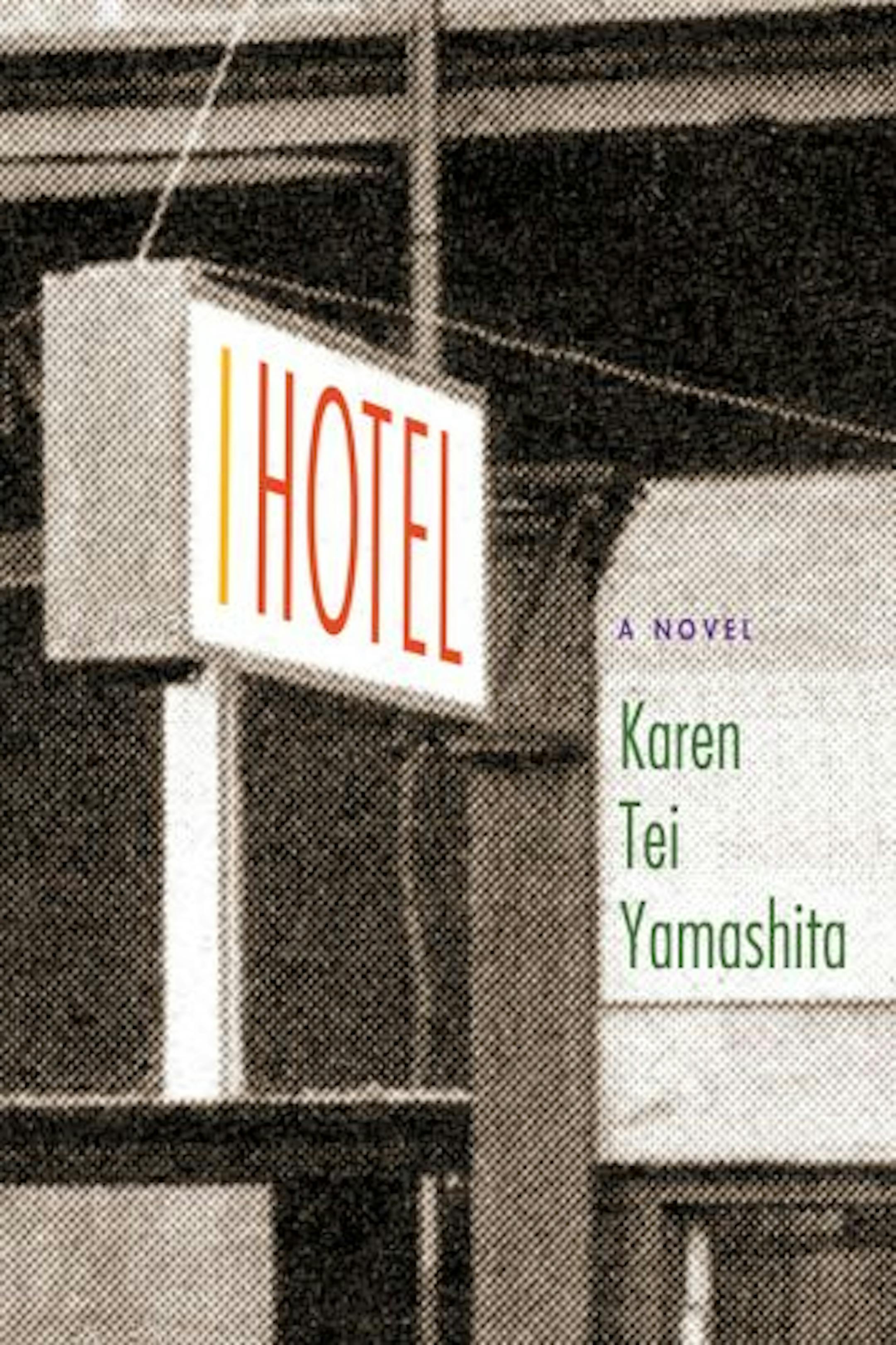
Author Karen Tei Yamashita has brought this rousing story back to life with "I Hotel," her fifth book to be published by Minneapolis' Coffee House Press. A finalist for a 2010 National Book Award, the novel uses a mix of traditional narrative, playwriting, poetry, philosophy and illustration to tell 10 related tales of those who sparked this other revolution, from elderly Chinese bachelors to Korean artists to Filipino laborers. At the nexus of all the activism was the International Hotel, or I Hotel for short.

Yamashita, who grew up in California, came to Minnesota to attend Carleton College because her parents thought a small private school would be a better environment for her than a huge UCLA campus. This week, she returns to speak about "I Hotel" at both her alma mater in Northfield and Mixed Blood Theater in Minneapolis.

She graduated from Carleton in 1973, during the thick of the Yellow Power activism back in San Francisco. But that wasn't on her mind at the time.

"I was just trying to go to school and see another part of the country," she said.

Since then, Yamashita, now 60, has established her name as an imaginative writer skilled at satire and unafraid of taking chances (for example, the narrator of her first book, "Through the Arc of the Rain Forest," is a ball). Since 1997, she has taught at the University of California, Santa Cruz.

Around the same time, she also began her research for "I Hotel," eventually conducting more than 150 interviews with key players in the movement.

"I was worried about how they would receive it," she said. "So I had groups of them come together to read the parts they intimately knew, to check details."
Coffee House publisher Allan Kornblum has worked with Yamashita through all her books, including "Tropic of Orange," which is often taught in college courses. He admits that he was initially concerned that this book was 630 pages long, but that changed after he read it.

"It's exciting to see the '60s through this very different lens," he said. "It was the birth of the Asian-American identity. Back then you were Chinese or Japanese or Korean or Filipino. Many of these people had thousand-year-old quarrels with each other that they brought to this country. They realized that if they were to get any political power, they had to leave those grudges behind and seize the civil rights movement instead of watching it go by."

American historical literature is full of titles examining the African-American, American-Indian and Latino experiences. So are high school and college curriculums. But there doesn't seem to be as rich or well known a store of Asian-American history. There's a reason for that, Yamashita said.

"It's always been tenuous, because Asians have been called a middle minority. In the hierarchy of need, politically we've often been in more supportive roles because the need has been greater for other minorities, like African-Americans and Mexican-Americans."

The way they were perceived in the context of international acrimony, including China's communism and the Vietnam War, also made the Asian-American experience different, she said, as did the myriad languages that have to be negotiated among all the groups. Yet as "I Hotel" makes clear, the '70s scene bred a sort of rainbow mood that united not only the Asian groups, but other minority movements, as well.

"Those who were there at the time talk about the solidarity they felt, like a sort of collective Third World liberation," she said.

Ten tumultuous years after the first attempt, the I Hotel was actually torn down in 1977, after police with billy clubs dragged away the protesters surrounding it. The site has now been rebuilt as a cultural center and gallery.

Debuting her book there last year was a moving experience, Yamashita said: "Many from the crowd who had been there in the '70s came. It was scary to read in front of them. But their presence, and the story, seemed to bring down all the old spirits. As I got toward the end I could hear people crying. When I finished, no one said anything for a long time, and we just all sat there for a while."

For her next project, Yamashita will tackle another key period in Asian-American history -- the internment of Japanese during World War II.

Kristin Tillotson • 612-673-7046

"I Hotel" by Karen Tei Yamashita
"I Hotel" by Karen Tei Yamashita (Star Tribune/The Minnesota Star Tribune)
about the writer

about the writer

KRISTIN TILLOTSON, Star Tribune

More from Minnesota Star Tribune

See More
card image
J. SCOTT APPLEWHITE, ASSOCIATED PRESS/The Minnesota Star Tribune

The "winners" have all been Turkeys, no matter the honor's name.

In this photo taken Monday, March 6, 2017, in San Francisco, released confidential files by The University of California of a sexual misconduct case, like this one against UC Santa Cruz Latin Studies professor Hector Perla is shown. Perla was accused of raping a student during a wine-tasting outing in June 2015. Some of the files are so heavily redacted that on many pages no words are visible. Perla is one of 113 UC employees found to have violated the system's sexual misconduct policies in rece