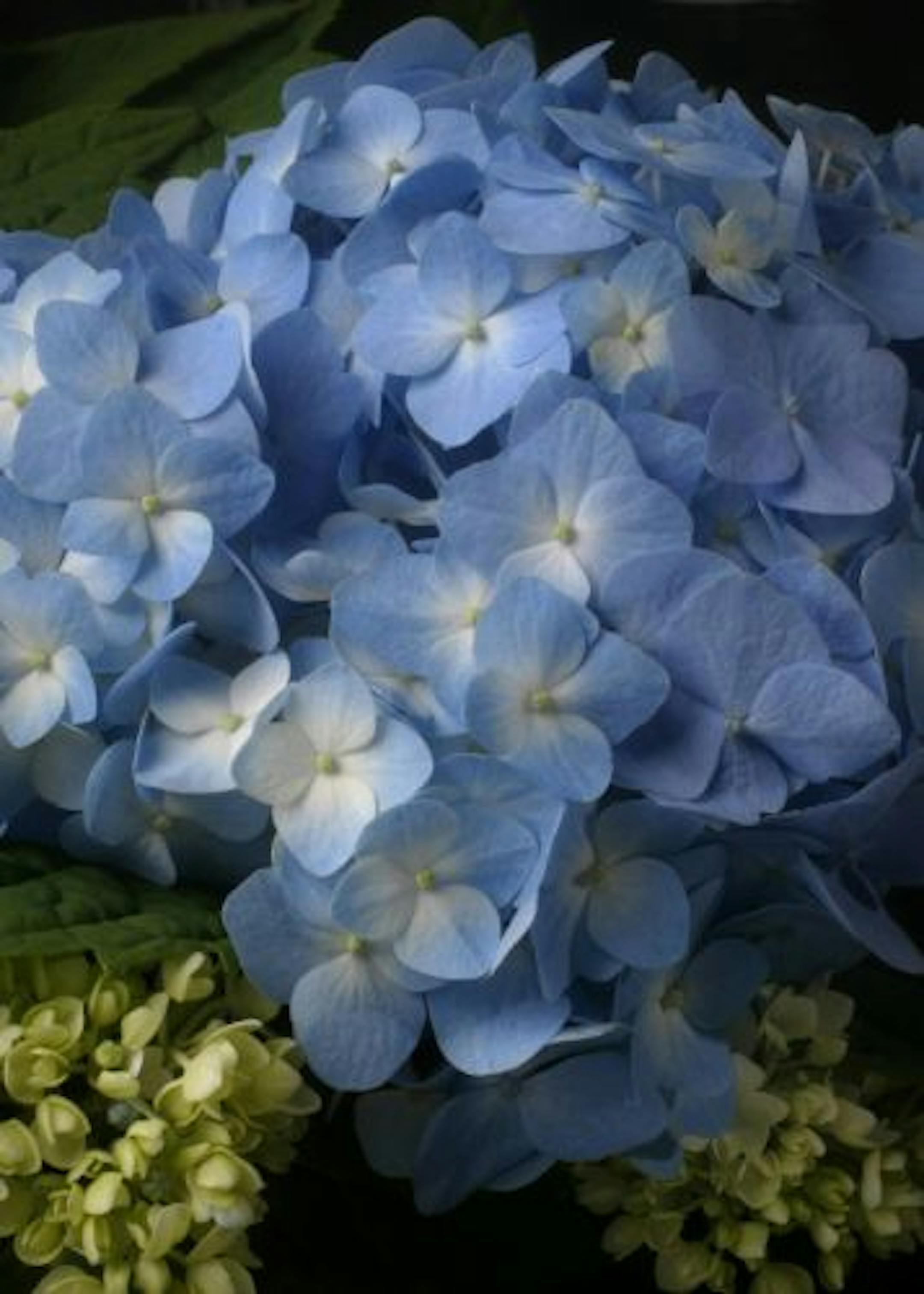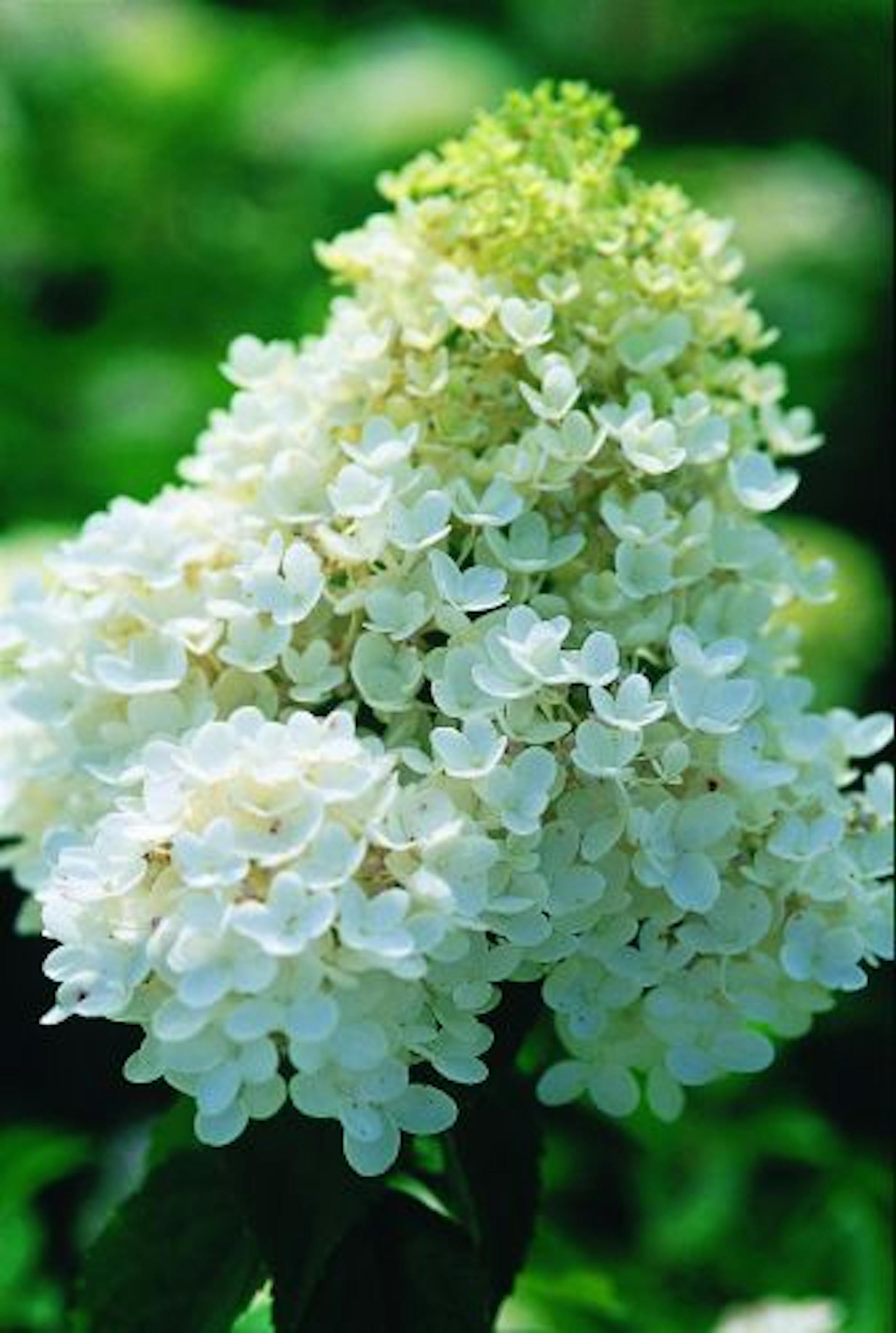
Hydrangeas are stellar shrubs for Minnesota. In late summer, just when many other flowers are fading, the big, beautiful blooms of hydrangeas are coming into their own. And with the right care, these lush plants can keep their looks well into fall.
Hydrangeas aren't high-maintenance plants, but the three basic types do have different growing habits and care requirements. This quick primer will help you decide which hydrangea would be best suited for your yard.
Smooth hydrangea (Hydrangea aborescens)
This hardy, compact shrub grows to 3 to 5 feet tall and forms large rounded flower clusters that are referred to as lollipops by some gardeners. Although the flowers form in early spring, they look their best in August and September. That's because they start out a pale green color and turn white only later in the season. The flowers, which dry and remain on the stems, can be cut for fall or winter arrangements.
Native to much of the eastern United States, smooth hydrangea is hardy to zone 3. Because its flowers form on new wood (the current season's stems), the flower buds are not affected by winter.
Best in: Partial shade to full sun. Although it prefers moist, well-drained soil, smooth hydrangea can tolerate a range of soil conditions.
Prune: In the spring before growth starts, prune last year's stems to 1/2 inch above the first pair of buds. If more pruning is needed, wait until after the shrub has flowered in late summer or early fall.
Panicle hydrangea (Hydrangea paniculata)