

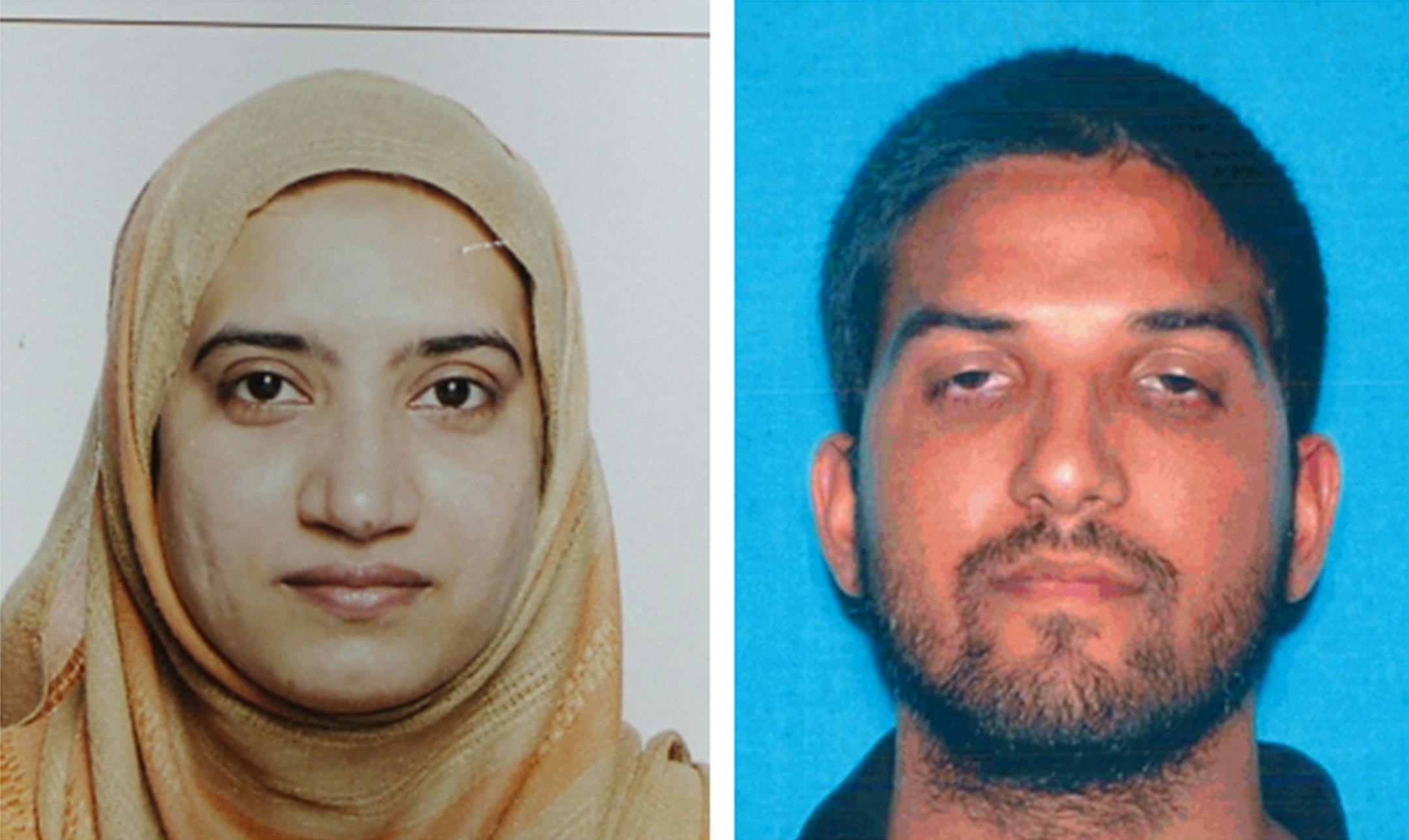
The concept of an individual, self-inspired radicalization is intriguing. It suggests that it may be almost impossible for federal and local government to prevent attacks like the one that occurred in San Bernardino, Calif.
It is now clear that the two killers in California were radicalized long before the shooting took place. The questions that arise concern how the two were radicalized, and how it was that their radicalization remained undetected.
Answering this question requires deconstruction of the radicalization process. Often that process disciplines an individual to be reserved, which in turn leads to social withdrawal resulting from an obvious conflict of social values. This social withdrawal is usually followed by a growing intolerance toward the opinions of others. Actual radicalization is a lengthy, gradual process, at the end of which the individual comes out feeling they have to do something.
This is a dreamlike world of illusion, manipulation and intense techniques of persuasion. The radicalized individual develops a new identity, contrary to the social norm, and feels threatened by the seeming moral decadence of the culture of others.
But in the matter of secrecy, group radicalizations are different from that of an individual. It is always tough for the group to keep secrets, since they mainly focus on leaving the country to join ISIL. That process requires support from outside: financial support and directions. A self-inspired and self-radicalized individual is able to control the flow of information.
The recent increase in FBI efforts to disrupt radicalized groups inevitably increases the chance of individual radicalizations, which will be more dangerous and difficult to detect. It is ominous that the FBI's practices continue to alienate the Muslim community, on whom it would have to rely for help in detecting an individual self-inspired radical. This has an adverse impact on the Muslim community and, furthermore, deters any chance of genuine interaction with the Muslim community across the country.
It is about time the U.S. government gives up feeding us with a false sense of security and starts collaborative outreach with the community.
There were, notably, no security alerts leading up to the recent shootings in Paris and San Bernardino, despite the elaborate plots of the killers. Sadly, it will be only after the fact that the feds will try to painstakingly connect the dots.


