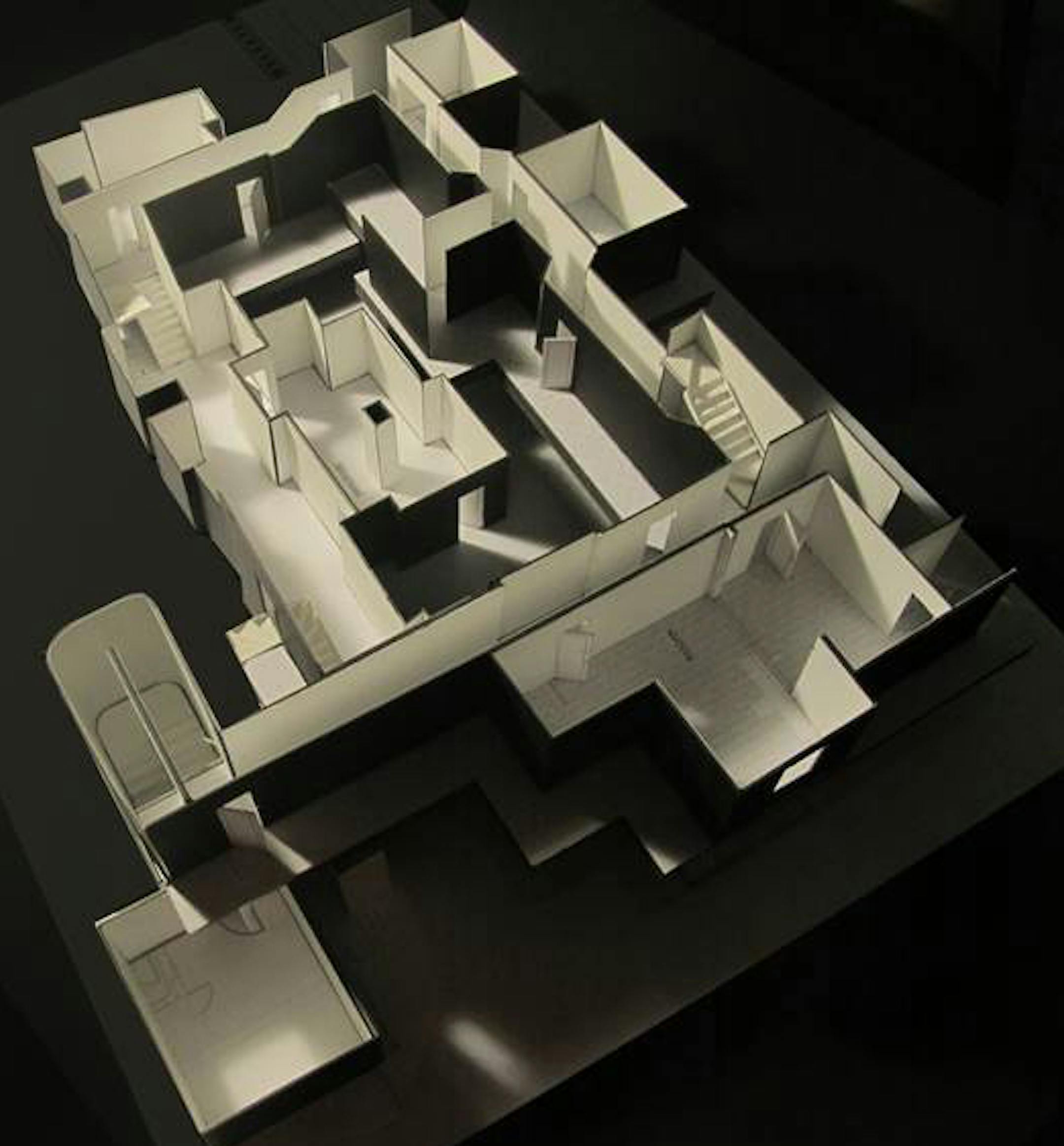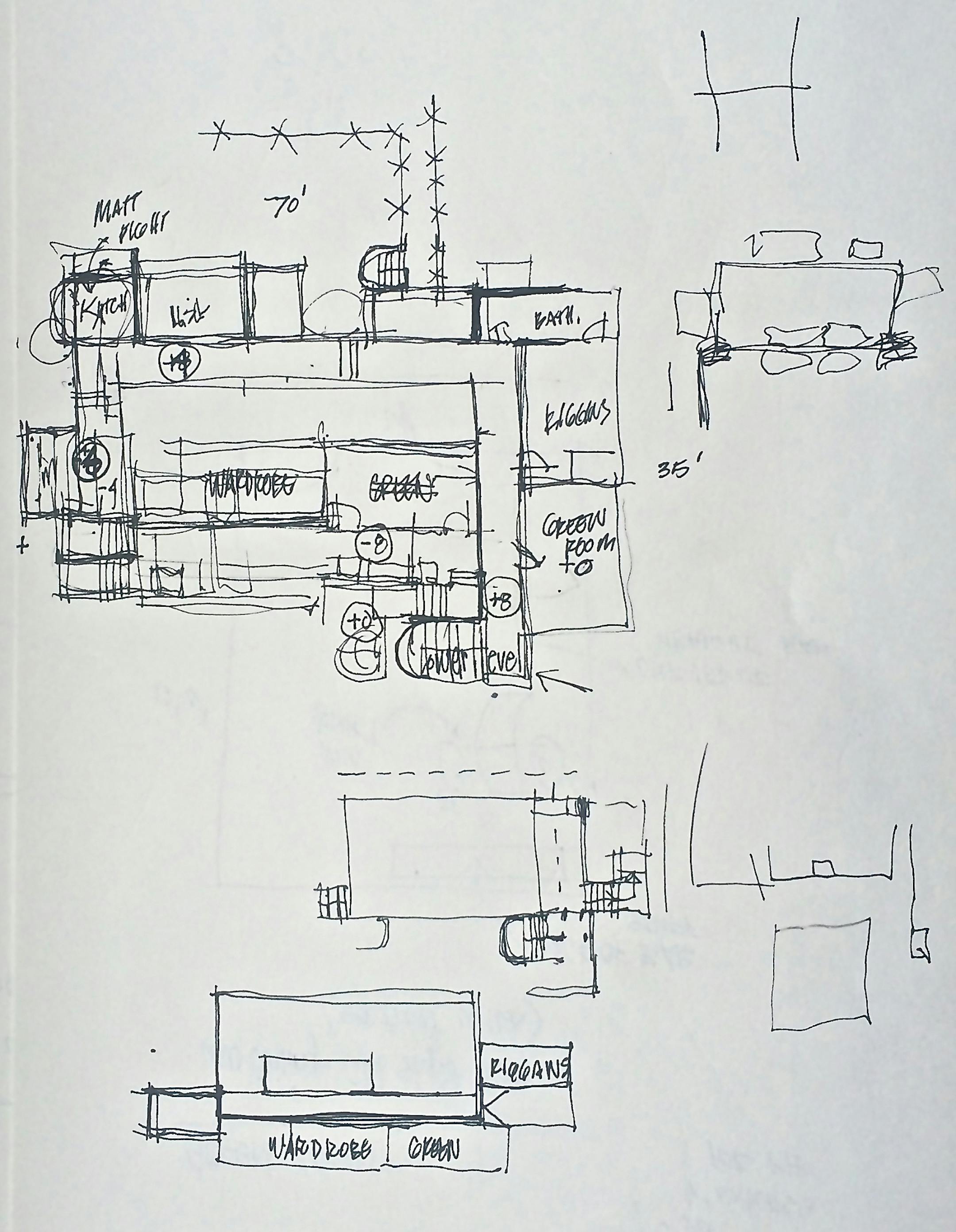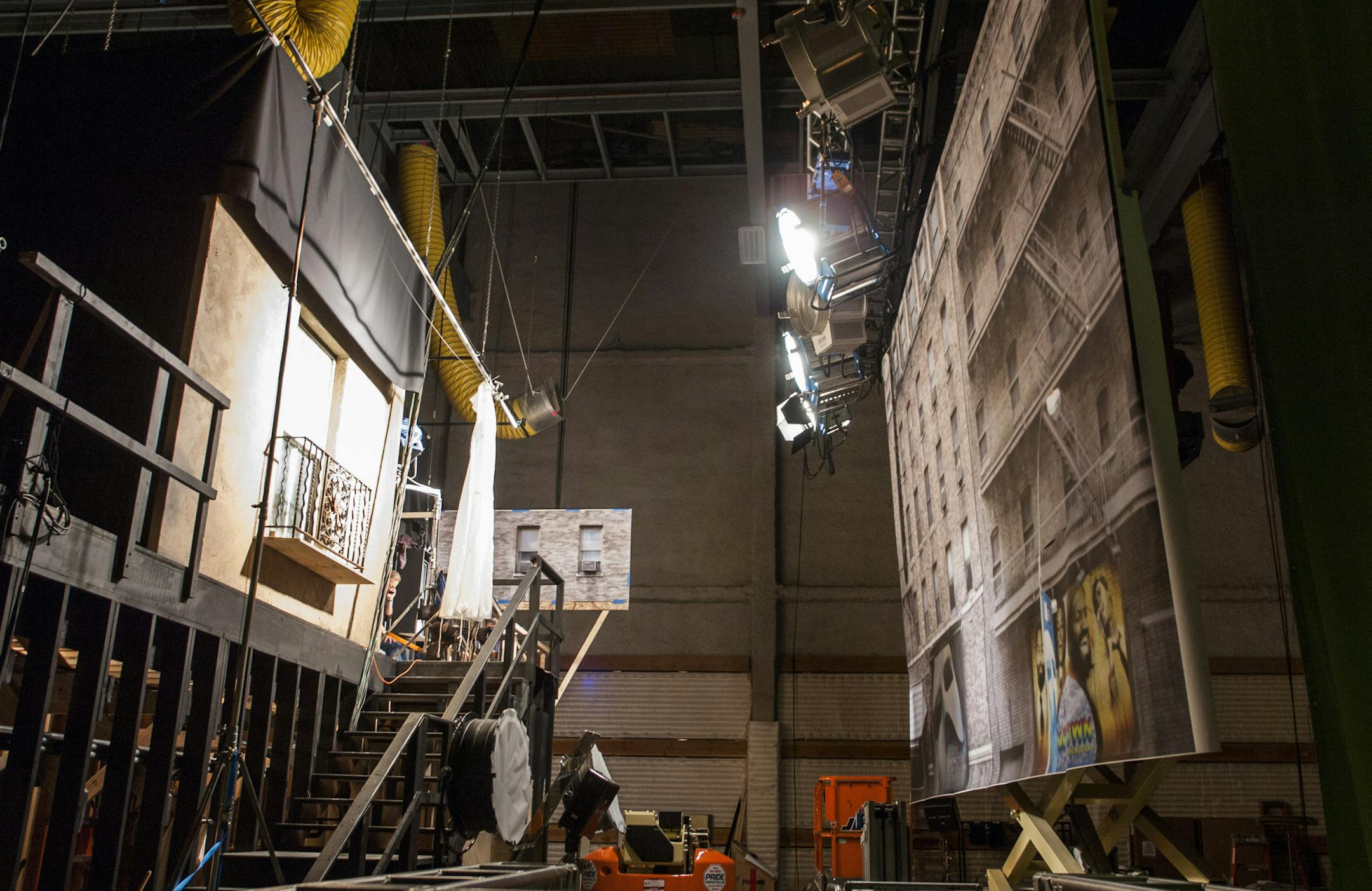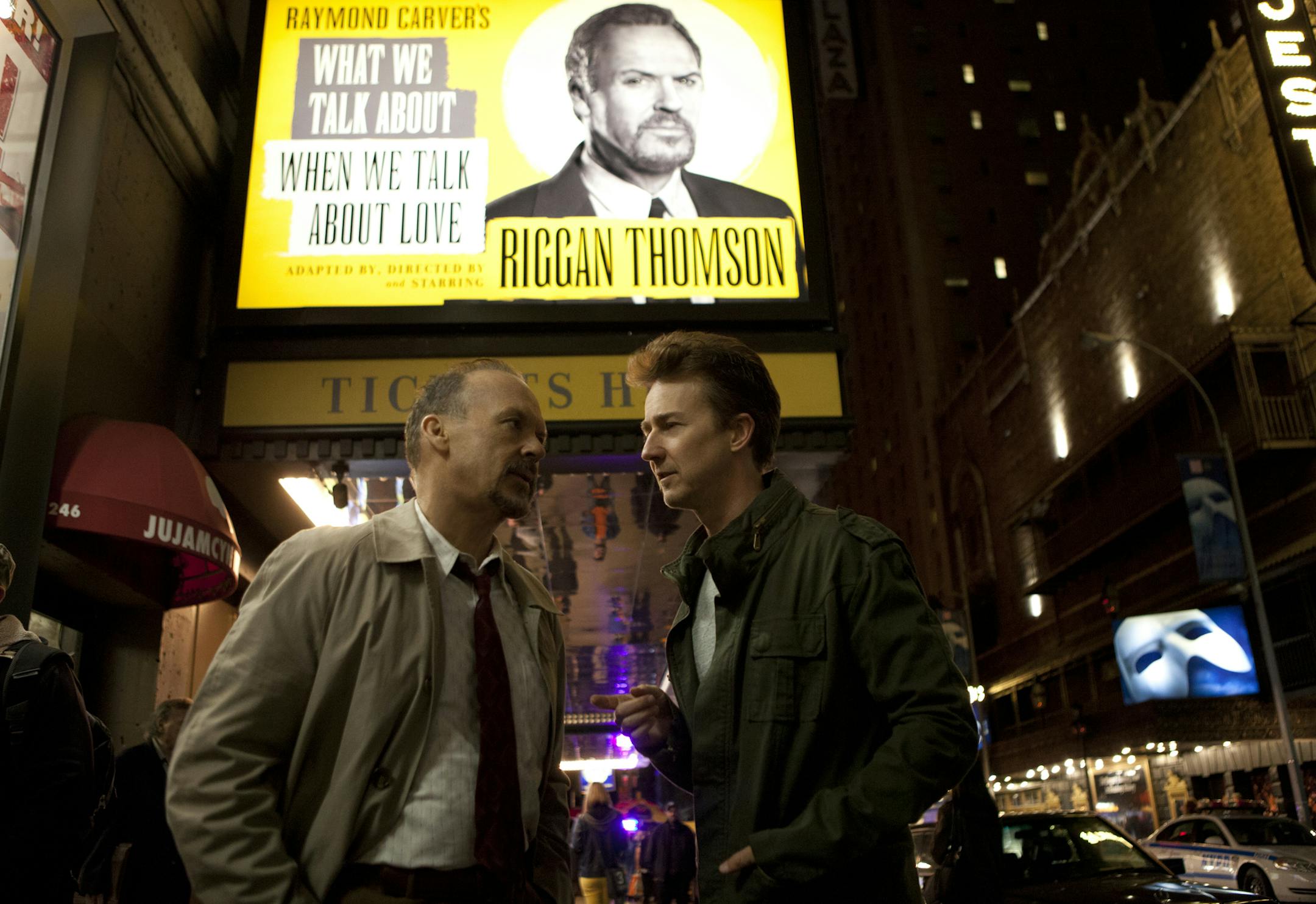
The dressing rooms and corridors of "Birdman: The Unexpected Virtue of Ignorance" were built on soundstages in the New York City borough of Queens. But they look so authentic that most people assume they're actually backstage at the St. James Theatre off Times Square.
That's just what Kevin Thompson likes to hear. As the movie's production designer, Thompson grappled with quite a few challenges, made all the hairier by director Alejandro González Iñárritu's desire to make the whole film look like it was shot in one long take.
The movie, considered by many oddsmakers to be the best-picture favorite at Sunday's Academy Awards, stars Michael Keaton as Riggan, a former blockbuster action hero trying to reframe his legacy by staging a serious play on Broadway. The action flits between real and surreal moments, with the camera rarely appearing to stop for a cut.
"It was interesting, because we had to get extremely technical to make everything work for the camera and lighting on these long takes," said Thompson, a Minnesota native who trained as an architect. "Then we had to make the scenes look continuous by tying them together with elements of scenery."
On top of that, he had to satisfy Iñárritu's "need to feel the emotional aspects of the theater and these characters," Thompson said. "He's a very passionately creative director, a quality that doesn't always go hand in hand with the technical side."
Thompson was not nominated for an Oscar for "Birdman," but recently won the Art Directors Guild's top prize for excellence in contemporary production design, a peer-to-peer award he calls "the next best thing. Quite often contemporary settings don't get considered by the academy because people don't understand all the work that goes into it."
Thompson estimates that 80 percent of the film was shot on the soundstage, where he painstakingly created that backstage world of cluttered dressing rooms and dank halls that look so real you can almost smell the musty air.
More important than choosing the right lived-in props and faded, moody colors was constructing a modular set that "could grow and shrink according to the amount of time actors had to get from Point A to Point B, depending on the amount of dialogue and how quickly they were walking."