

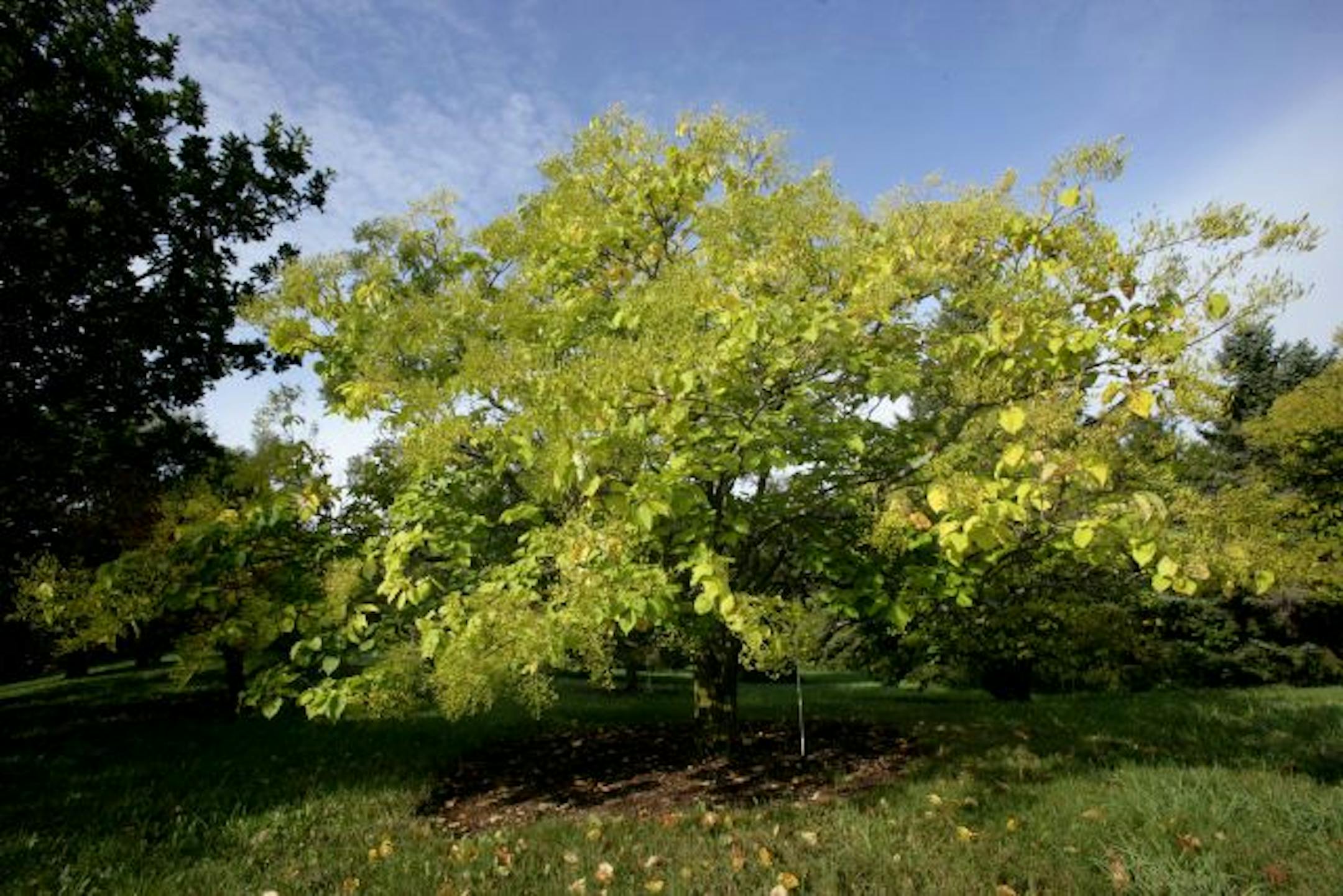
If you think trees are little more than obstacles to avoid when you're mowing, think again.
Trees provide oxygen for the environment, offer nesting places for birds and give kids a place to climb. If that isn't enough of an inducement, trees also increase your property value.
But there are a few things you should do before you buy a tree. First, make sure the tree you want will fit in the space you have -- when the tree's mature. A ginkgo, which can reach 60 feet tall, shouldn't be planted a foot from your back door.
Also, ask the garden center staff if your tree will be suited for the conditions of the site you want to plant in. Is it sunny or shady, exposed to or protected from the wind, etc.?
Container grown
At a garden center, you'll most likely find trees packaged one of two ways: in containers or balled and burlapped. Container-grown trees, typically smaller trees, are popular because they're easy to handle and easy to care for.
They can be stored for a while before they're planted, in part because their roots are covered. (While a tree is in a container it needs to be watered regularly. About once every one to three days should do.)
Trees in containers can be planted from early spring to late fall. Of course, it's best to plant a tree soon after you buy it. If you wait too long, the roots will wrap around the inside of the container and the tree can become pot-bound. Pot-bound trees tend to grow more slowly once they're planted.


