
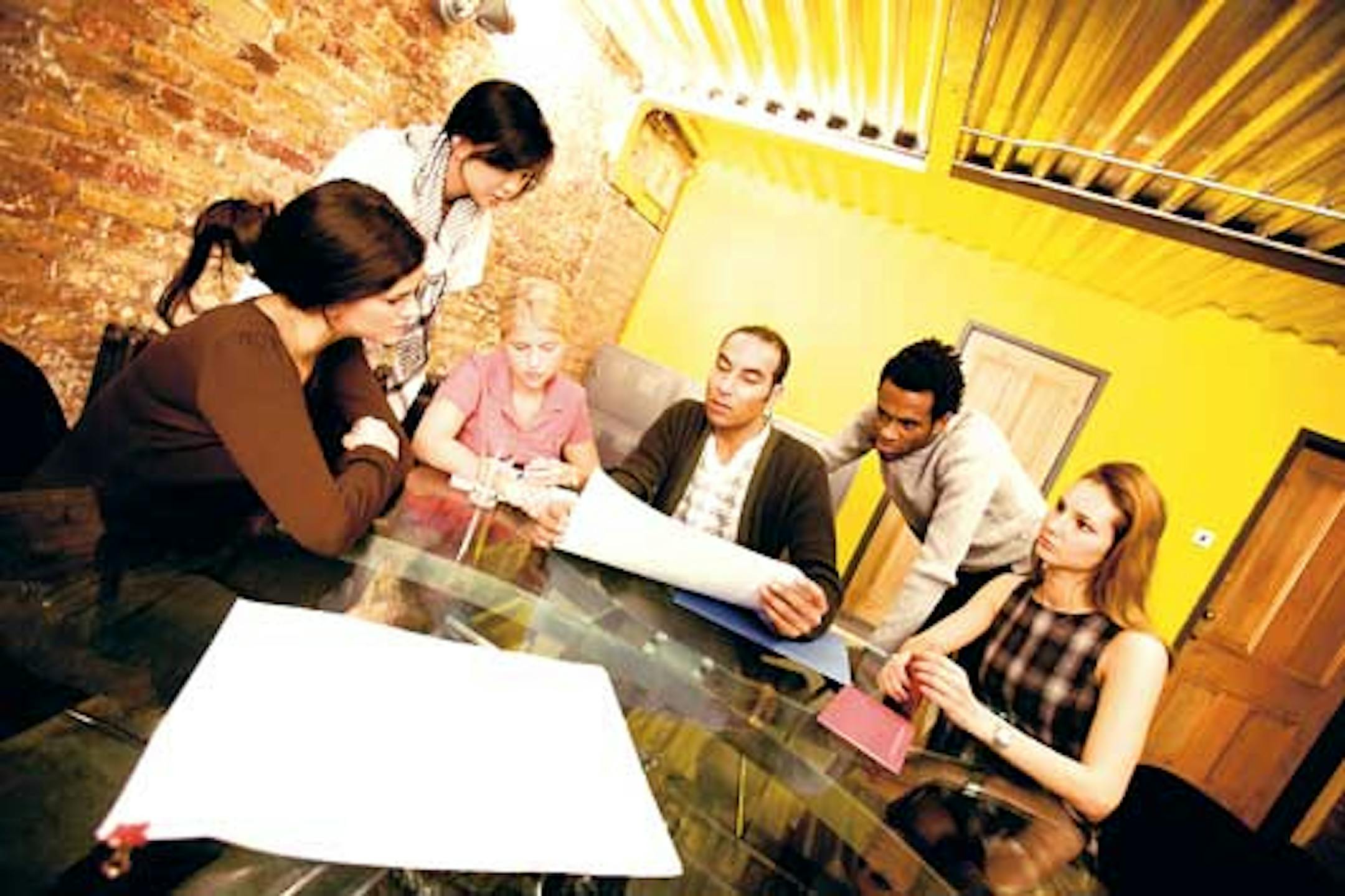
How To Manage A Diverse Workforce

The workplace is becoming increasingly diverse. We now have four generations working side-by-side, as well as workers from many different cultures. It's up to the manager to be able to lead a diverse workforce. The manager has to be mindful of what motivates workers, and also what their cultural customs require.

July 8, 2008 at 5:50PM
(Pam Ridgway/The Minnesota Star Tribune)

There was a time when a manager could look at his staff and see the same people - everyone was the same age (more or less), the same race and the same gender. With some individual exceptions here and there, you could also treat everyone exactly the same way. But things have changed.

Managers have to be able to keep their eyes on the ball of business, but their team is changing. We're living in a time when four generations are working side-by-side, and different cultures are working together.

Generation gap

There are four generations working together: Traditionalists, Baby Boomers, Generation X and Generation Y. Each generation brings something different to the workplace, and each generation has different motivators.

"They've had different life experiences and that's how they approach their jobs," observes Jim Kwapick, regional vice president for Robert Half Management Resources (RHMR).

RHMR conducted a survey to find out what motivates Generation Y workers. While they still ranked salary, benefits and job stability high on their lists, they also valued teamwork and constant feedback. Work-life balance was also very important.

"What attracted the older people - security - isn't attractive to the new people," observes Kwapick.

A diverse workforce

While generational differences must be addressed, culture clash also presents an obstacle.

According to the Dept. of Homeland Security and Immigration and Naturalization Service, immigration to Minnesota has increased from 9,192 newcomers in 1982, up to 18,254 in 2006.

Officials at Dakota County Technical College recognized the need for managers to be able to supervise a multicultural workforce, and have developed a certificate program to improve this skill.

"There is definitely a need to develop a better supervisor who can manage a multicultural workplace," observes Harrold Torrence, a business instructor at DCTC and a native Venezuelan.

Scott Gunderson, professor and co-chair of business at DCTC, says that understanding cultural differences is critical - it's a lesson he learned firsthand in the 1990s. While running his own business, one of his workers walked away from the job to pray.

"I could have fired him, but I didn't," says Gunderson. Working with different cultures doesn't mean that they get to run rough-shod over the business says Gunderson. But it does mean understanding their needs, and negotiating between the business and the workers' cultural needs.

Robert Elsenpeter is a freelance writer from Blaine.

about the writer

about the writer

Robert Elsenpeter, Star Tribune Sales and Marketing

More from Business

See More
card image
Spencer Platt

The U.S. stock market roared back on Friday, as technology stocks recovered much of their losses from earlier in the week and bitcoin halted its plunge, at least for now.

Attendees of Frostbike made their way through the convention Saturday at the Quality Bike Products campus in Minneapolis. ] (AARON LAVINSKY/STAR TRIBUNE) aaron.lavinsky@startribune.com Frostbike 2016 was held at the Quality Bike Products Campus on Saturday, Feb. 27, 2016 in Bloomington, Minn.
card image