
How to find the perfect plants for small spaces

You can grow vegetables or even fruit-bearing trees. All you need is the right stuff -- and a little imagination.

June 7, 2011 at 7:21PM
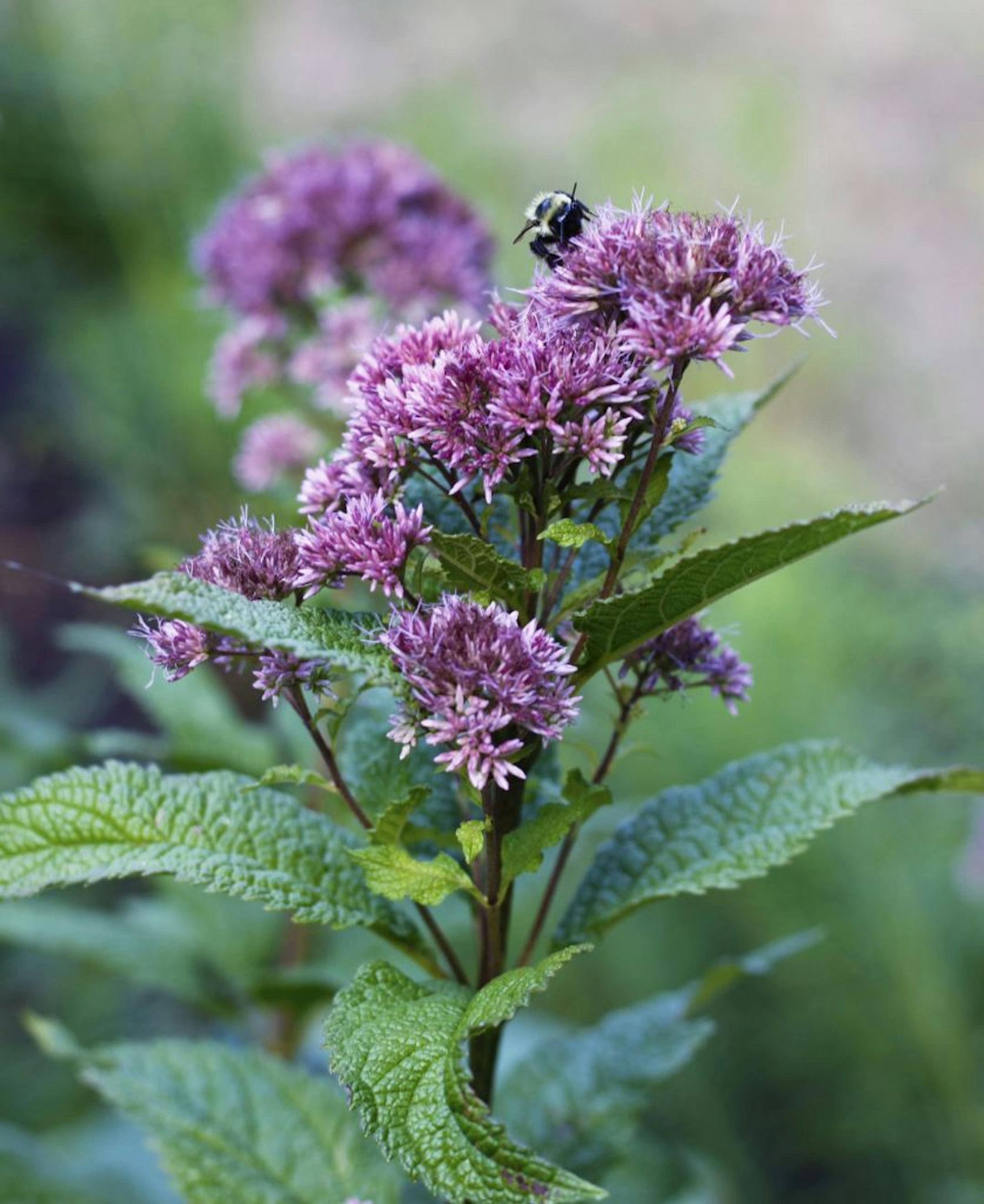
If you think you can't fit Joe-Pye weed into your garden because of its height, then consider the dwarf varieties of Joe-Pye.
If you think you can't fit Joe-Pye weed into your garden because of its height, then consider the dwarf varieties of Joe-Pye. (Scripps Howard News Service/The Minnesota Star Tribune)

Small-space gardening doesn't have to have a limited appeal. In fact, it may be easier to make a big impact in a tight spot than in a half-acre, considering the time, money and maintenance a more massive garden requires.

There's never been a better time to cultivate a modest-sized plot -- whether it's an apartment balcony or tiny back yard -- because there are new plants, products and design strategies to help you get the most out of every square inch.

Downsized design

Because a small yard often has to do it all (be the place where the family relaxes and entertains guests and where the kids play), garden designers recommend keeping the space simple and uncluttered. For a cohesive look, start by establishing a color scheme for furnishings and plants.

Limiting the plant palette and relying on foliage plants will help create a more serene setting. But when you're designing your outdoor space, don't consider only container plants. Think of the tree canopy, smaller understory trees, shrubs and ground covers. That will expand your growing area and help you layer in plants to get a lush look.

Some gardeners even resort to trickery to give the illusion of space. There's no smoke, but mirrors in the garden are a growing trend. With the right reflection, they provide an "extra" garden that you don't have to weed. Glassless window frames and freestanding doors also add the suggestion of space.

Getting small, growing up

Plant breeders have noticed the trend toward smaller gardens and have responded by developing dwarf varieties of popular shrubs (such as mock oranges, spireas and hydrangeas), as well as shorter versions of perennials (such as coneflowers, Joe-Pye weed and bee balm). They've also put an emphasis on trees and shrubs with vertical growth habits, including columnar trees, upright evergreens and espalier fruit trees.

And there are new ways of growing up. Wall modules, planting frames and pouch-style planters can be found in most garden centers. Savvy recyclers also are repurposing hanging shoe pockets and wooden pallets into inexpensive vertical planters.

Any of these planters can be filled with succulents, herbs, ground covers, annuals and even some vegetables that are able to grow up instead of out. They can be placed against the house or garage to form a living wall, be used as a screen or to partition an outdoor room or brighten up a tunnel-like side yard in a small urban lot.

Room for edibles

You don't need a back 40 to grow vegetables. Those without room for big beds can opt for one of the new grow bags, salad boxes or garden tables made especially for petite potagers. There are even portable growing containers that fold up like a lawn chair. These collapsible containers are portable, lightweight (which may be a concern if you're gardening on a balcony or rooftop) and don't take up much storage room when the growing season is over.

Vegetables grown in containers do need more attentive watering, but they may be able to escape some of the disease and pest problems found in vegetables grown in the ground.

If you prefer to grow in the soil, succession planting lets you grow two or three crops in the same soil -- planting cool-weather salad greens in spring, warm-weather crops (such as tomatoes, peppers and eggplants) in early summer, then another round of greens once the temperatures start to drop in late summer. If you have limited real estate, select only the vegetables your family is sure to eat or specialty items that are hard to find.

Whether you're planting in a container or a small bed, look for plants with compact growth habits. (They often have words such as "baby," "mini," "bush" or "patio" in their names.) Space-hogging crops (pole beans, cucumbers and even cantaloupes) can be trained to grow on tepees, trellises or sturdy supports.

And there's no reason to segregate plants by their use. You can plant edibles among your annuals and perennials. Alpine strawberries are mounded, runnerless plants with fragrant fruit that fit well into a small garden. Dwarf fruit trees, small blueberry bushes and currants can substitute for conventional shrubs. And when you get right down to it, even a container full of patio tomatoes has a certain decorative quality.

Rhonda Fleming Hayes is a Minneapolis-based garden writer. She blogs at www.thegardenbuzz.com.

about the writer

about the writer

RHONDA HAYES, Contributing Writer

More from Minnesota Star Tribune

See More
card image
J. SCOTT APPLEWHITE, ASSOCIATED PRESS/The Minnesota Star Tribune

The "winners" have all been Turkeys, no matter the honor's name.

In this photo taken Monday, March 6, 2017, in San Francisco, released confidential files by The University of California of a sexual misconduct case, like this one against UC Santa Cruz Latin Studies professor Hector Perla is shown. Perla was accused of raping a student during a wine-tasting outing in June 2015. Some of the files are so heavily redacted that on many pages no words are visible. Perla is one of 113 UC employees found to have violated the system's sexual misconduct policies in rece