
How many WPA projects were completed in Minnesota?

October 25, 2020 at 8:32PM
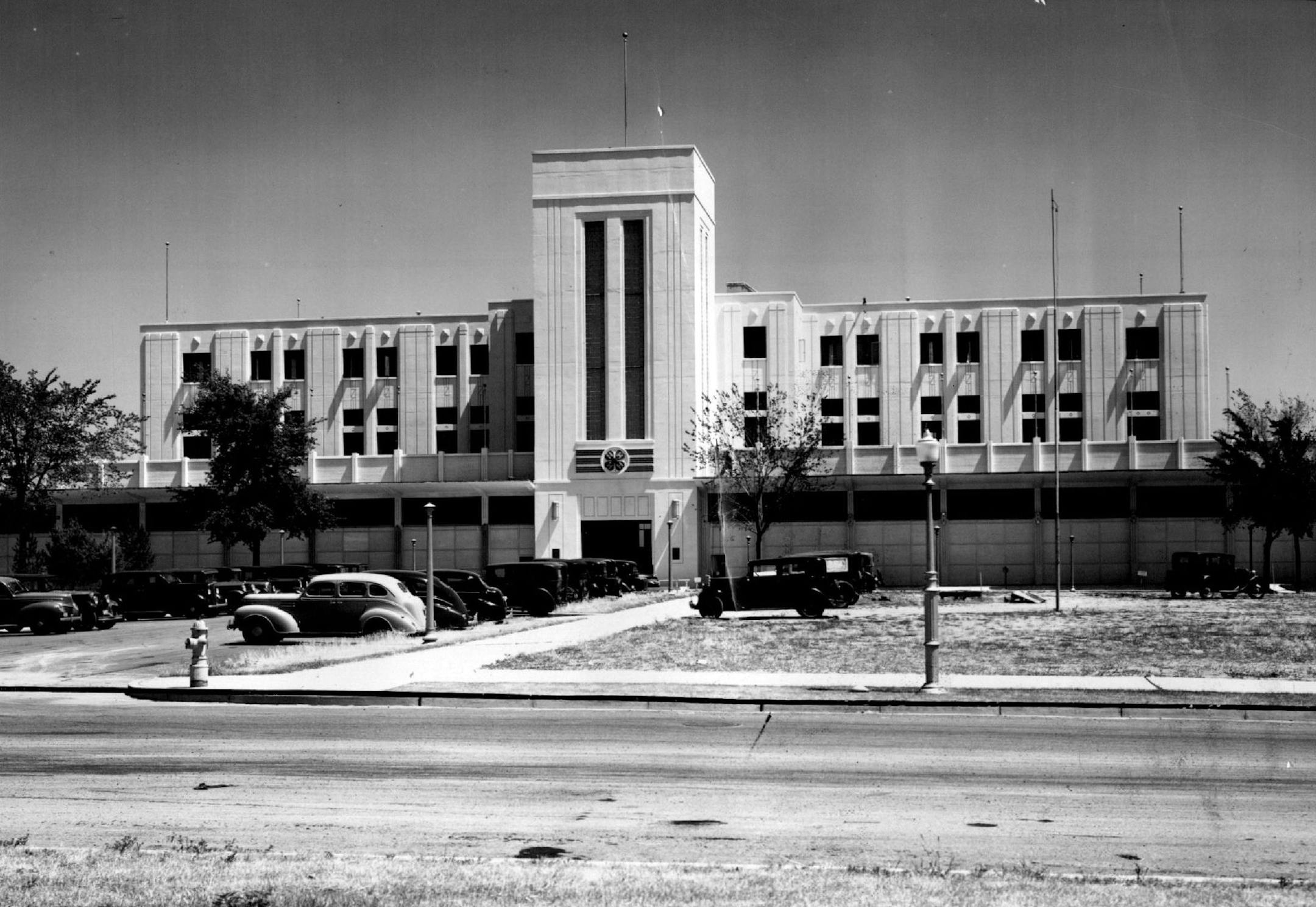
August 25, 1938 How New 4-H Building Will Look When Completed Visitors to the Minnesota State fair this year will see the Commencement of construction of a new 4-H club building which will be open for the 1939 fair. The building, being constructed by WPA, will be three stores high with a 90-foot tower. Construction is of architectural concrete throughout. The first floor in addition to containing an outer perimeter for exhibitors, will include a meeting hall for the 4-H clubs and space for 4-H e
This 1938 photo depicts the then-new 4-H Building at the Minnesota State Fair, a project of the New Deal’s WPA. (The Minnesota Star Tribune)

Whenever Tony Dierckins walks his dog by Duluth's Chester Creek, he passes the stone retaining walls built in the 1930s by locals put to work by the federal government.

"There's still remnants today all over of things that were done by New Deal programs," said Dierckins, a Duluth historian.

Todd Hanselman had a similar thought while exploring Minneopa State Park near Mankato. While climbing stairs near the park's falls, he noticed a bronze plaque marking the site as a Works Progress Administration (WPA) project.

"I wondered where there were more of these in the state," said Hanselman, a social studies teacher who will soon introduce his New Ulm students to the Great Depression era.

He turned to the Star Tribune for help, asking: How many WPA projects were completed in Minnesota? The question is part of Curious Minnesota, a reader-fueled reporting series.

The WPA was just one of many federal agencies established by President Franklin Roosevelt's New Deal, an economic plan to help the country recover from the Great Depression. The program, which began in 1935, hired millions of unemployed people to work on public infrastructure projects.

In Minnesota, the WPA built or improved 28,000 miles of road, 578 miles of sidewalk and 1,443 bridges, according to Rolf Anderson, an architectural historian who researched the state's New Deal relics.

Workers built public facilities in the state, including 1,324 new public buildings, 52 stadiums or grandstands, 119 athletic fields, 56 sewage treatment plants, six swimming pools and three airports. They rehabilitated numerous more.

The program spent $250 million and affected close to 600,000 people in Minnesota, according to Anderson.

"We continue to benefit from its legacy," he said. "I think that's true with all these New Deal programs."

A definitive list of the state's WPA projects may not exist, he added, though an enterprising Minnesota history lover could likely make one by combing through the agency's records at the National Archives in Washington.

It's easy to stumble across the fruits of the agency's work, however — just look for the telltale bronze plaques.

Notable WPA structures in Minnesota include Milaca's former City Hall, an elementary school in Rockville, the State Fair 4-H Building and Minneapolis' Hwy. 100. In Deerwood, near Brainerd, WPA workers harvested stone from local fields that they used to build the city's auditorium.

Many parks were also developed during the era.

The WPA, which was later renamed the Works Projects Administration, was shut down in 1943 after nearly a decade of existence. In addition to construction jobs, the program created opportunities to employ authors, artists, educators and others for public services.

Like many other communities across the state, Dierckins said of the northeastern Minnesota city where he lives: "It was significantly shaped by what went on in the '30s."

Katie Galioto • 612-673-4478

about the writer

about the writer

Katie Galioto

Reporter

Katie Galioto is a business reporter for the Minnesota Star Tribune covering the Twin Cities’ downtowns.

See Moreicon

More from Minnesota Star Tribune

See More
card image
J. SCOTT APPLEWHITE, ASSOCIATED PRESS/The Minnesota Star Tribune

The "winners" have all been Turkeys, no matter the honor's name.

In this photo taken Monday, March 6, 2017, in San Francisco, released confidential files by The University of California of a sexual misconduct case, like this one against UC Santa Cruz Latin Studies professor Hector Perla is shown. Perla was accused of raping a student during a wine-tasting outing in June 2015. Some of the files are so heavily redacted that on many pages no words are visible. Perla is one of 113 UC employees found to have violated the system's sexual misconduct policies in rece