I met Lorna on my first Crystal Cruise four years ago. She was the kind of chic widow -- a blend of Auntie Mame, Holly Golightly and Lady Gaga, though less clownish -- who liked to subvert conventions, and her whimsically unhinged fashions were part of a continual performance piece that became a cruise signature.
We grew friendly but I never expected to see her again once I disembarked. I was wrong. During my second Crystal Cruise last year, before the ship had even pulled out of its Venetian dock, I saw a tall woman striding in front of me, wearing gladiator sandals, jodhpurs and a jaunty sailor cap.
"Lorna," I called. "How funny we'd wind up on the same two cruises."
"Oh, honey," she said, turning and laughing. "It's more than two cruises for me. I've been on the ship since you left. I just sort of forgot to get off."
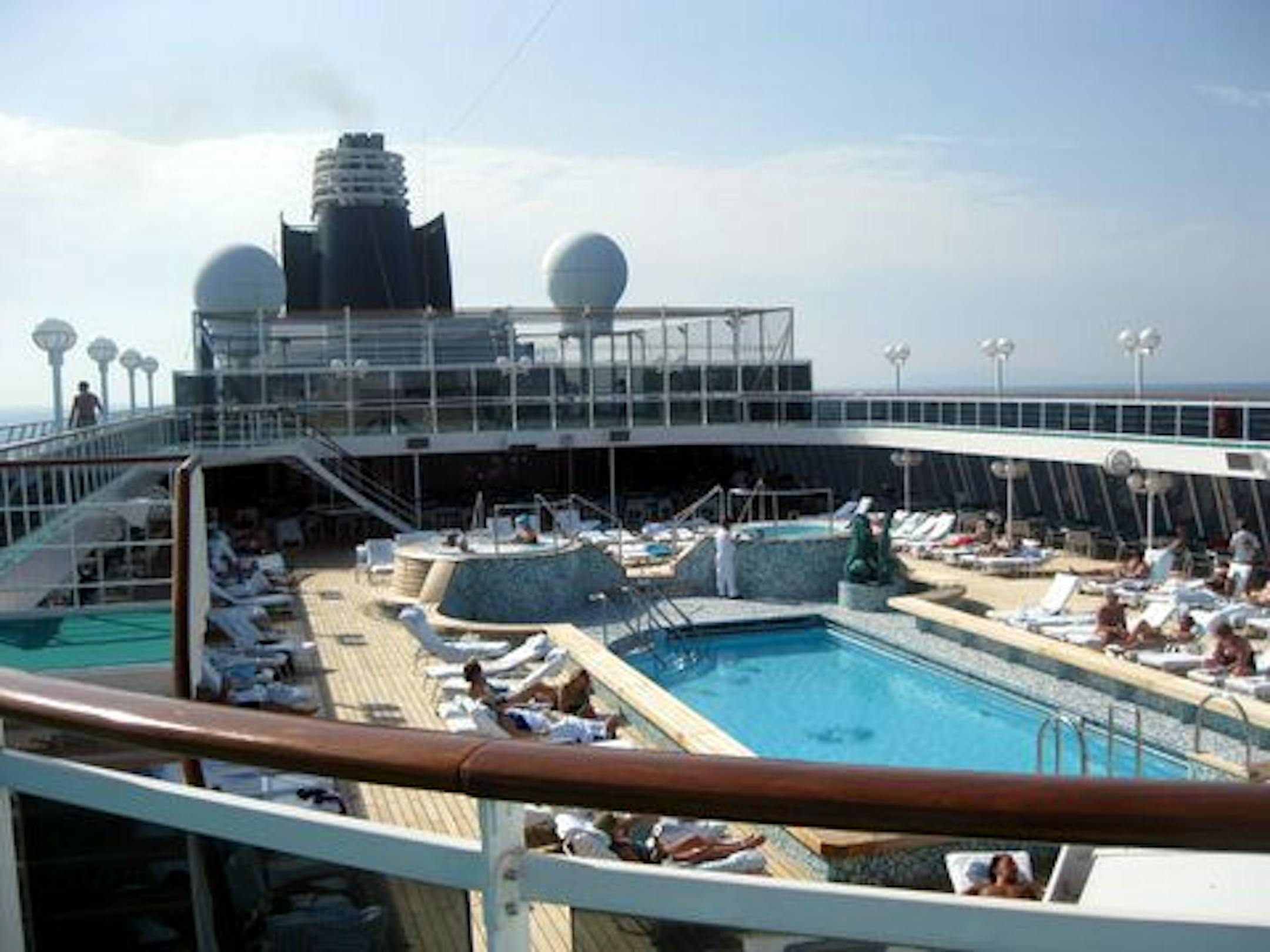
Now Lorna, obviously, is the sort of kicky widow who comes cushioned by a major portfolio. Not a lot of people can afford to board a luxury liner and decide to call it home. But I realized when I saw her again, that if I were the kind of well-heeled oligarch who opted to keep circling the world, too lazy to disembark, then Crystal's Serenity would be the sort of ship that even I could stay bobbing on. And that was a shocking epiphany, because cruises had always seemed like something to avoid. In fact, they were a kind of personal phobia; the mix of deep-fried buffets, torturous captain's dinners and turgid ports of call were my definition of a claustrophobic nightmare.
But something happened to change my perception. In the past decade the cruise was reinvented and the evolution took two forms: Some cruise ships got bigger, while others got smarter. The bigger ships that have garnered the most press -- the kind that offer rock climbing, über-malls and double-decker discos -- make sense for people who want a nonstop, outsized joyride at sea. But for nontraditional cruisers, the growing flotilla of smarter cruise lines -- not just Crystal but equally compelling competitors like Seabourn and Regent Seven Seas -- have done nothing less than launch a revolution by rethinking the creaky rules of traditional cruising.
In effect, these smaller, upscale, thoughtful cruise lines -- the ones that focus more on serious itineraries, ambitious food and cultural themes -- have become the thinking person's anti-cruise. And for iconoclasts like Lorna and me, they've made cruising newly seductive.
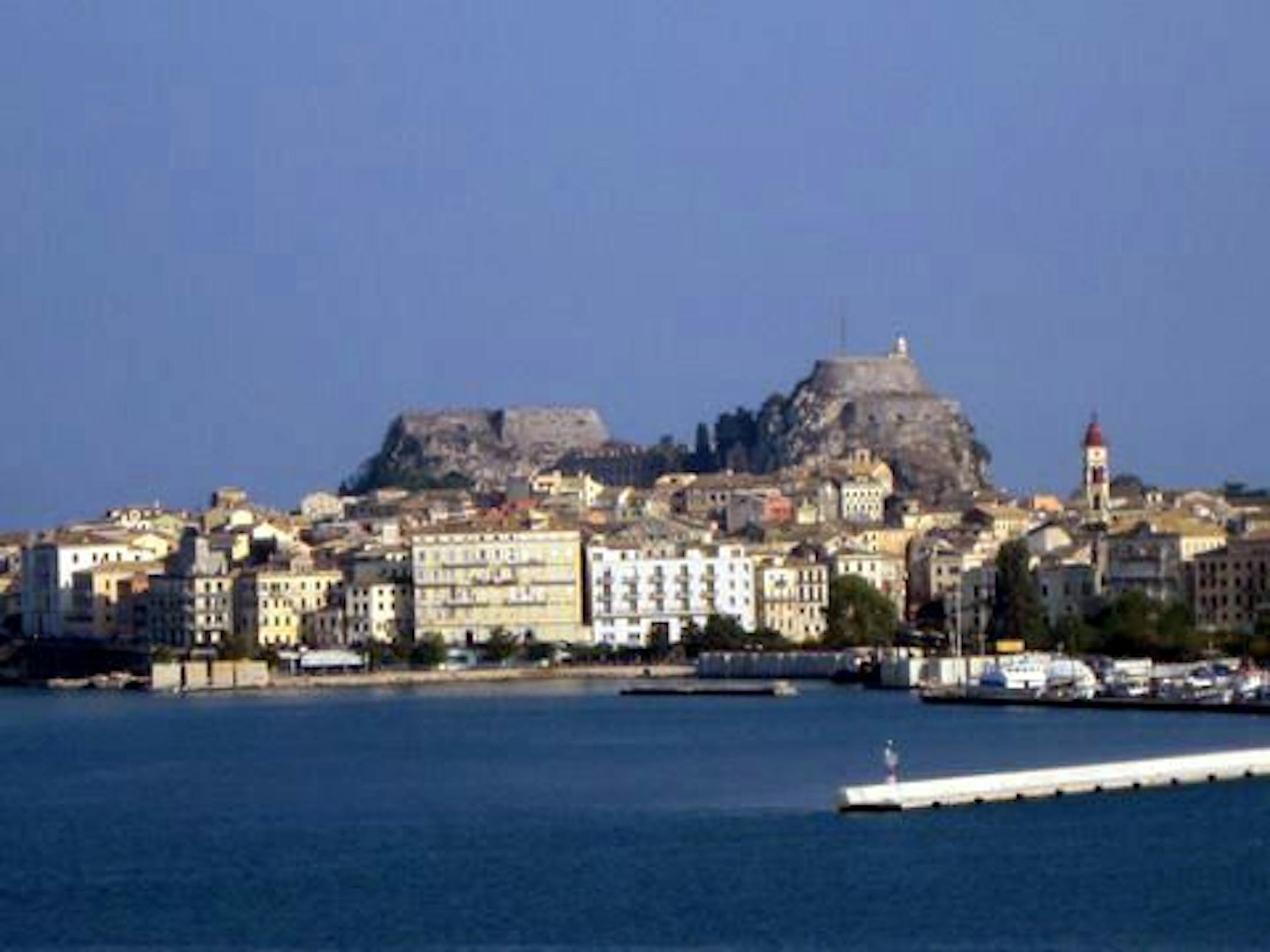
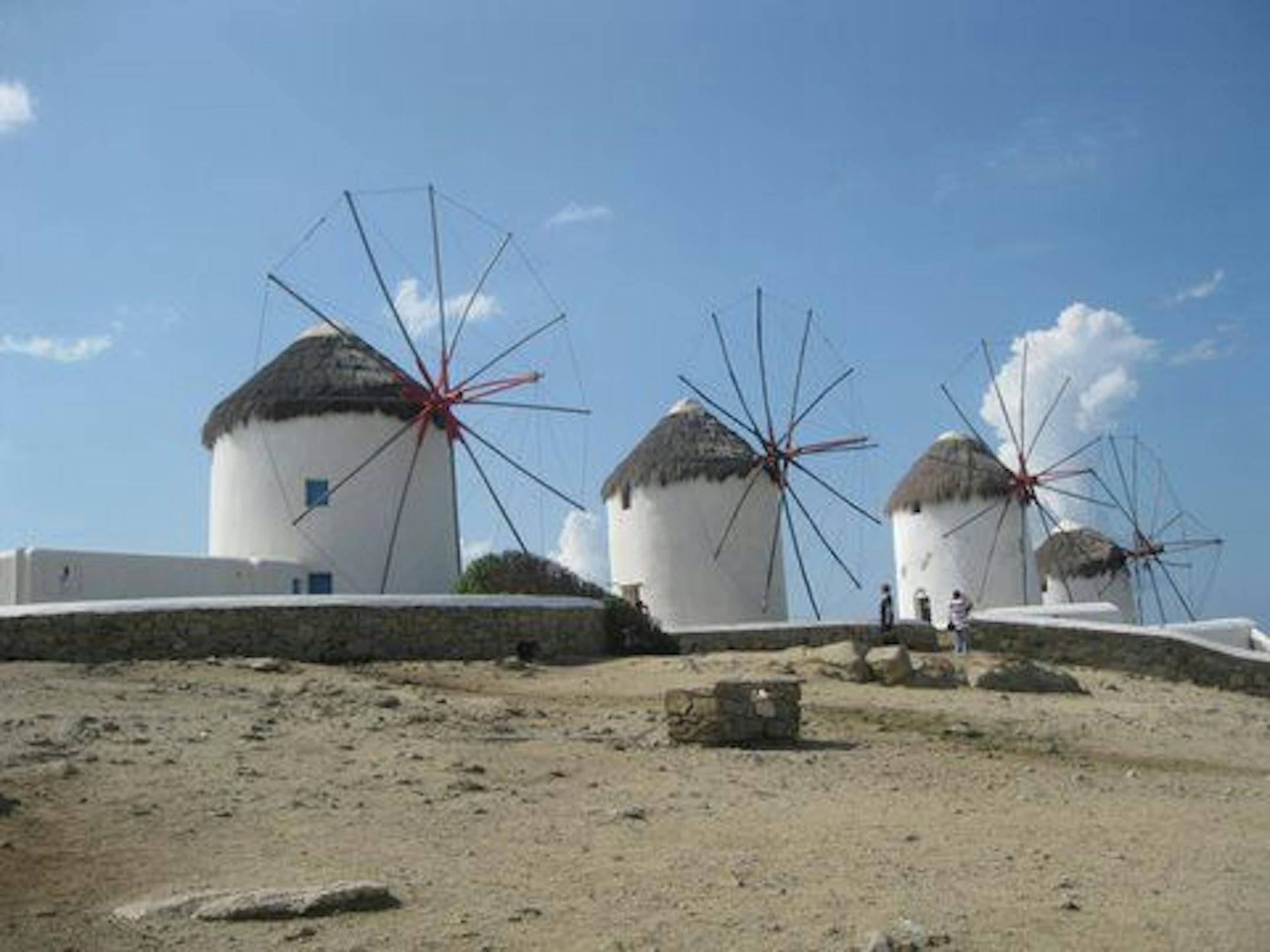
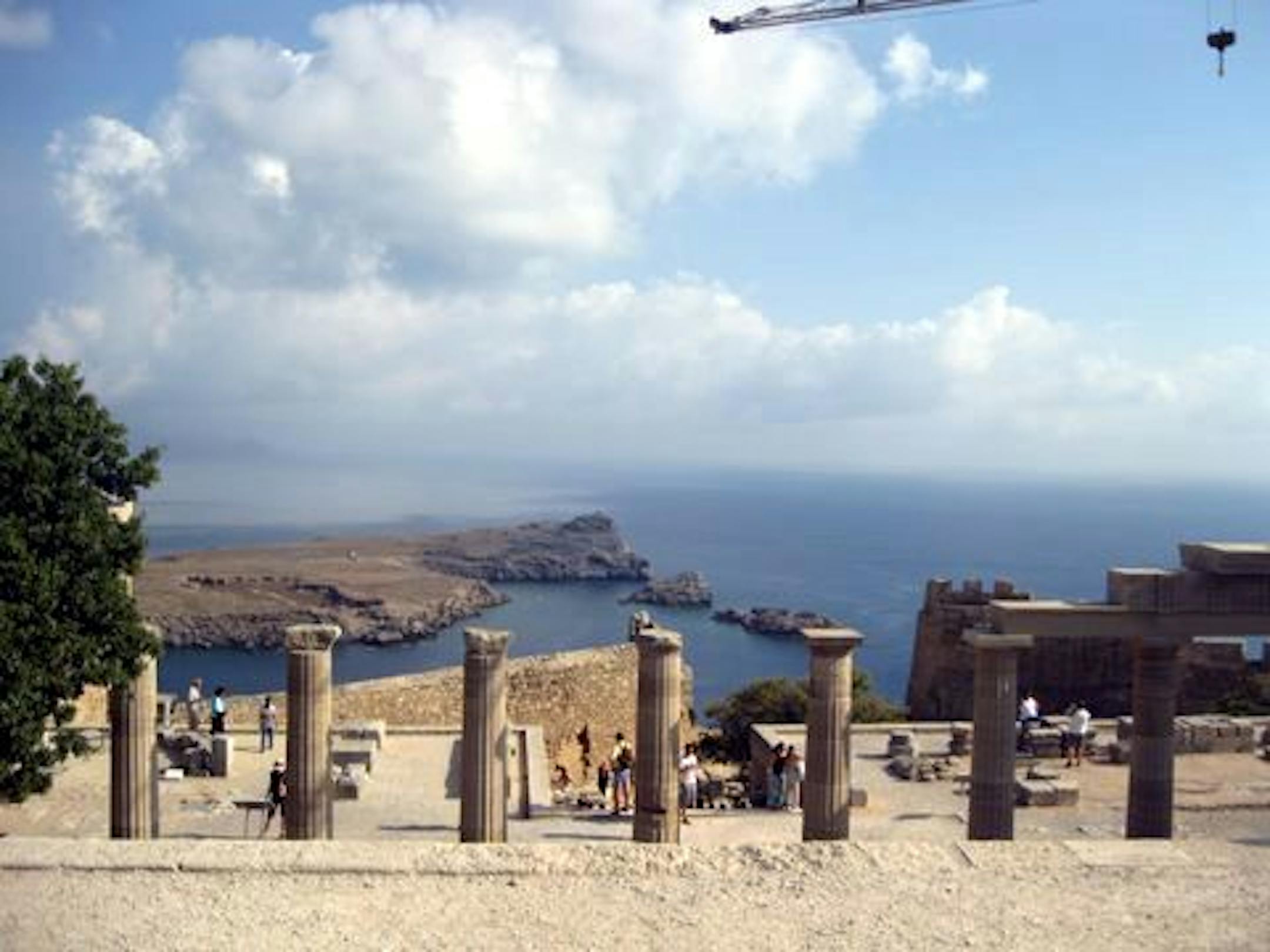
Most of the things that used to frankly scare me about cruising have been reconfigured. Take the itinerary of my second Crystal Cruise, "The Adventures of Tycho," on the Serenity, one of two Crystal ships. We boarded in Venice, where the ship was docked for two nights, then sailed onto Trogir (Croatia), Corfu, Olympia, Crete, Rhodes, Mykonos, Ephesus (Turkey) and Athens.