

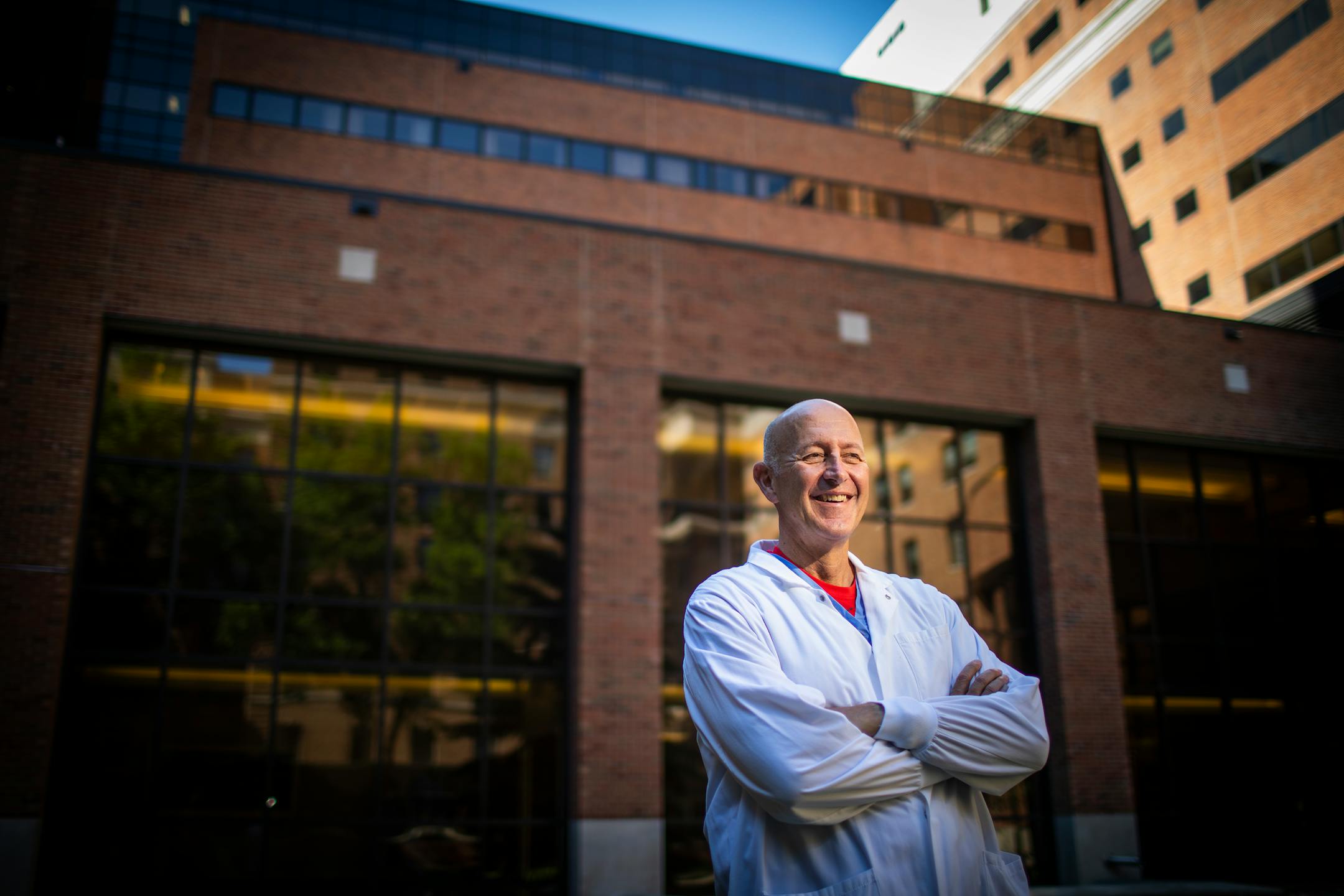
The Winter Olympic Games are once again a showcase in the highest level of athletic achievement. Which is why Michael Joyner will be watching.
The Mayo Clinic doctor studies the physiology of elite athletes and is a frequently cited expert in human performance and endurance.
During the Summer Olympics in Japan, Joyner explained to us how some athletes are able to rise to the occasion and excel on the world's biggest athletic stage. Now, in an interview edited for length and clarity, he tells us how ice and snow can up the ante.
Q: What are you watching in the Winter Olympics?
A: You've got this sort of geopolitical backdrop of China as a mature superpower and what is or isn't going on in Russia and so forth, and this sort of boycott without a boycott happening. Then you've got this omicron surge in many parts of the world and China's very intense efforts to suppress the corona virus within their borders, which makes it very, very different from any Olympics I'm familiar with.
Q: That wasn't the case for the Summer Olympics, was it?
A: Six months ago, there was a successful Summer Olympics in Tokyo. The whole ambience is different. Last summer, we were hoping that maybe there'd be this nice athletic celebration with some terrific performances by people like [American track star] Allyson Felix, [Kenyan marathoner] Eliud Kipchoge and others to kind of lead us out of this tough last year and a half. But obviously that hasn't happened and now here we are in Beijing.
Q: Will the fraught political situation and the pandemic overshadowing the games affect athletic performance?


