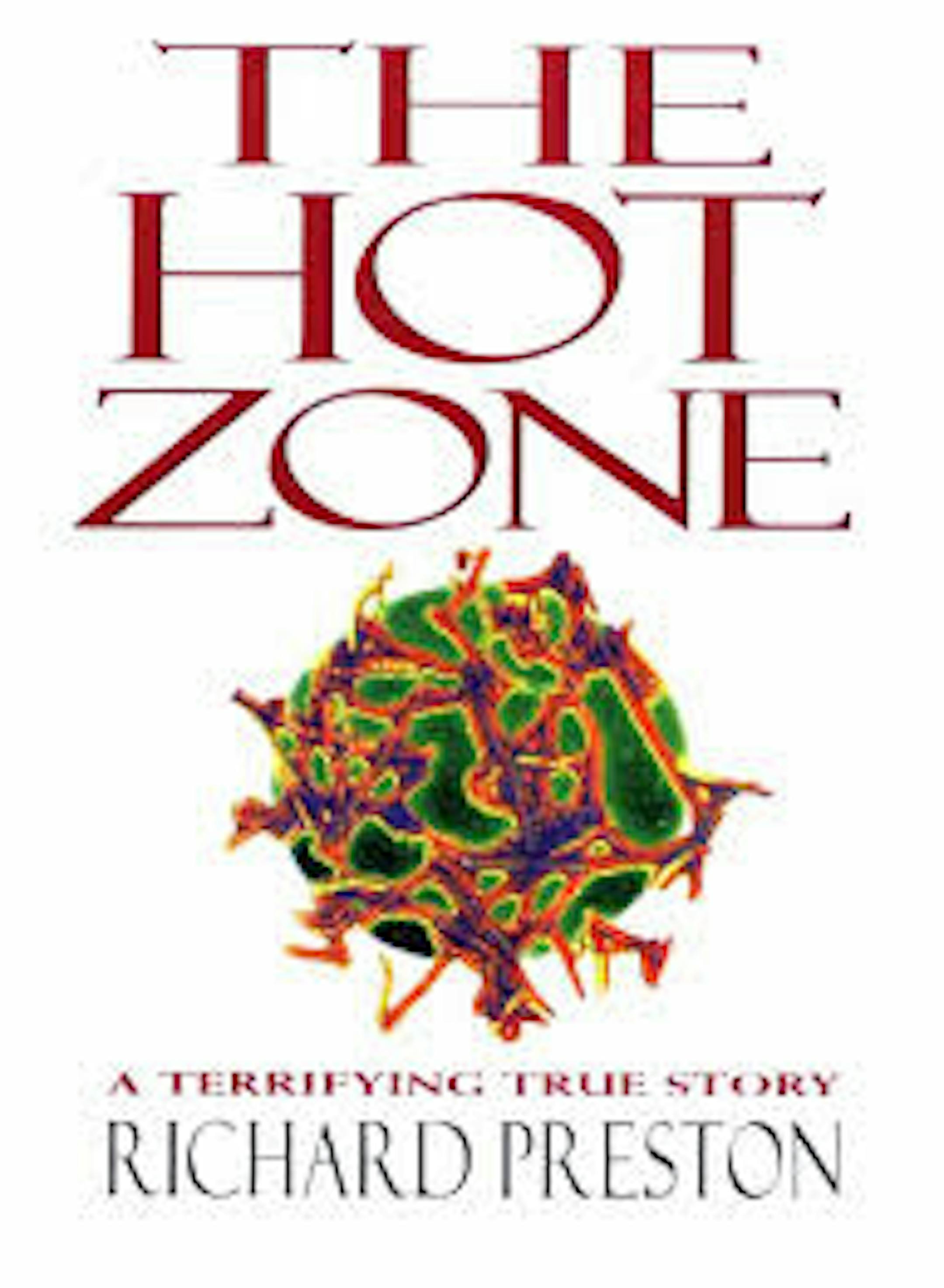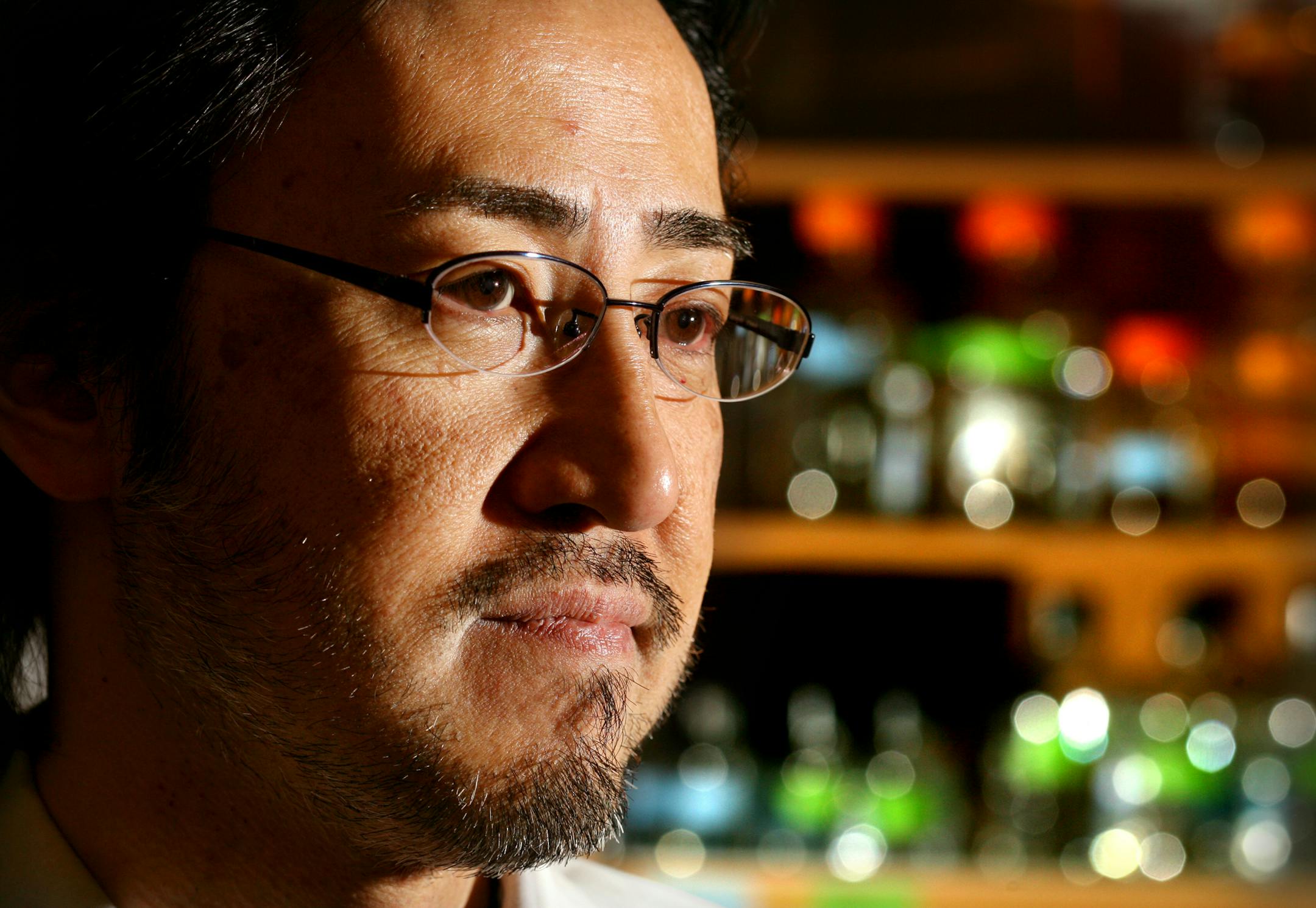
University of Wisconsin-Madison scientist Yoshihiro Kawaoka was researching influenza viruses that were killing chickens in the mid '90s when he picked up a new bestseller, "The Hot Zone."
Richard Preston's 1994 novel dealt with the genesis of viral hemorrhagic fevers, particularly Ebola and Marburg. It described a secret Army mission to wipe out a colony of sick African monkeys housed in Reston, Va. — monkeys that had been imported for research, but that arrived infected with a mysterious rain-forest virus thought to be the deadliest ever known.
A professor of pathobiological sciences at UW-Madison's School of Veterinary Medicine, Kawaoka realized while reading "The Hot Zone" that he could advance the world's understanding of the little-known virus. He could apply to Ebola his knowledge about how influenza replicates in the cells of chickens and how their bodies respond to being infected.
"I knew the pathology," Kawaoka said in an interview. "I've done lots of dissection of chickens infected with highly pathogenic viruses."
Kawaoka, who is best known for avian flu research, contacted the federal Centers for Disease Control and Prevention in Atlanta, telling the nation's top health officials that he wanted to work on Ebola.
Kawaoka first had to figure out how to alter the deadly virus so it was safe enough by federal government standards to work with in a Madison lab that, in terms of safety and security, is one notch below the CDC's top lab in Atlanta. He consulted with a scientist in Tennessee who had figured out how to disarm a deadly swine influenza. Kawaoka became the first scientist using the same reverse genetics to render Ebola incapable of replicating and binding to cells.
The federal government, after initially rejecting the safety level Kawaoka proposed, reversed its position.
Kawaoka also began doing research at a top-level National Institutes of Health biomedical research facility in Montana, using a type of Ebola that was not disarmed.