Home-flipping has gone high-end.
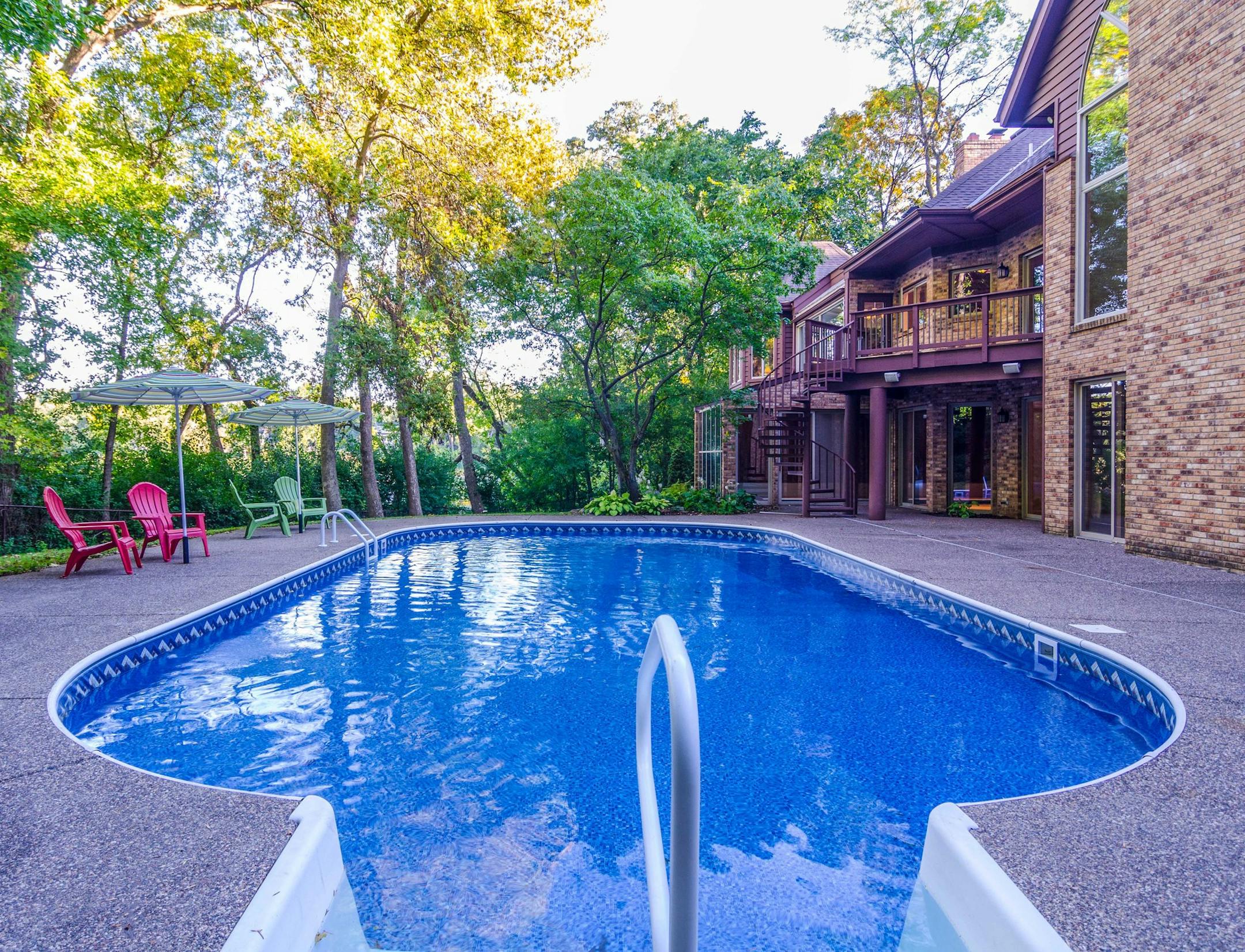
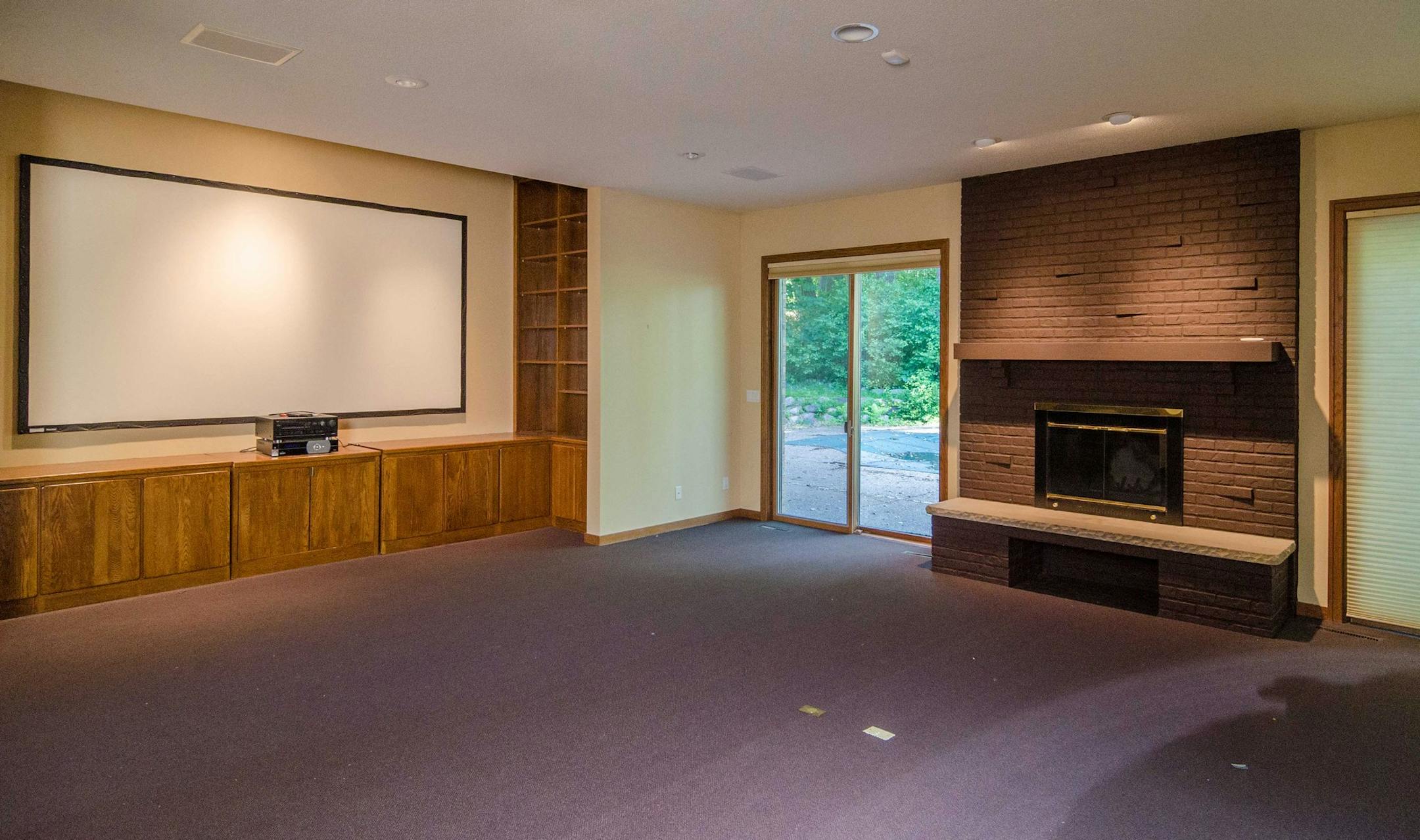
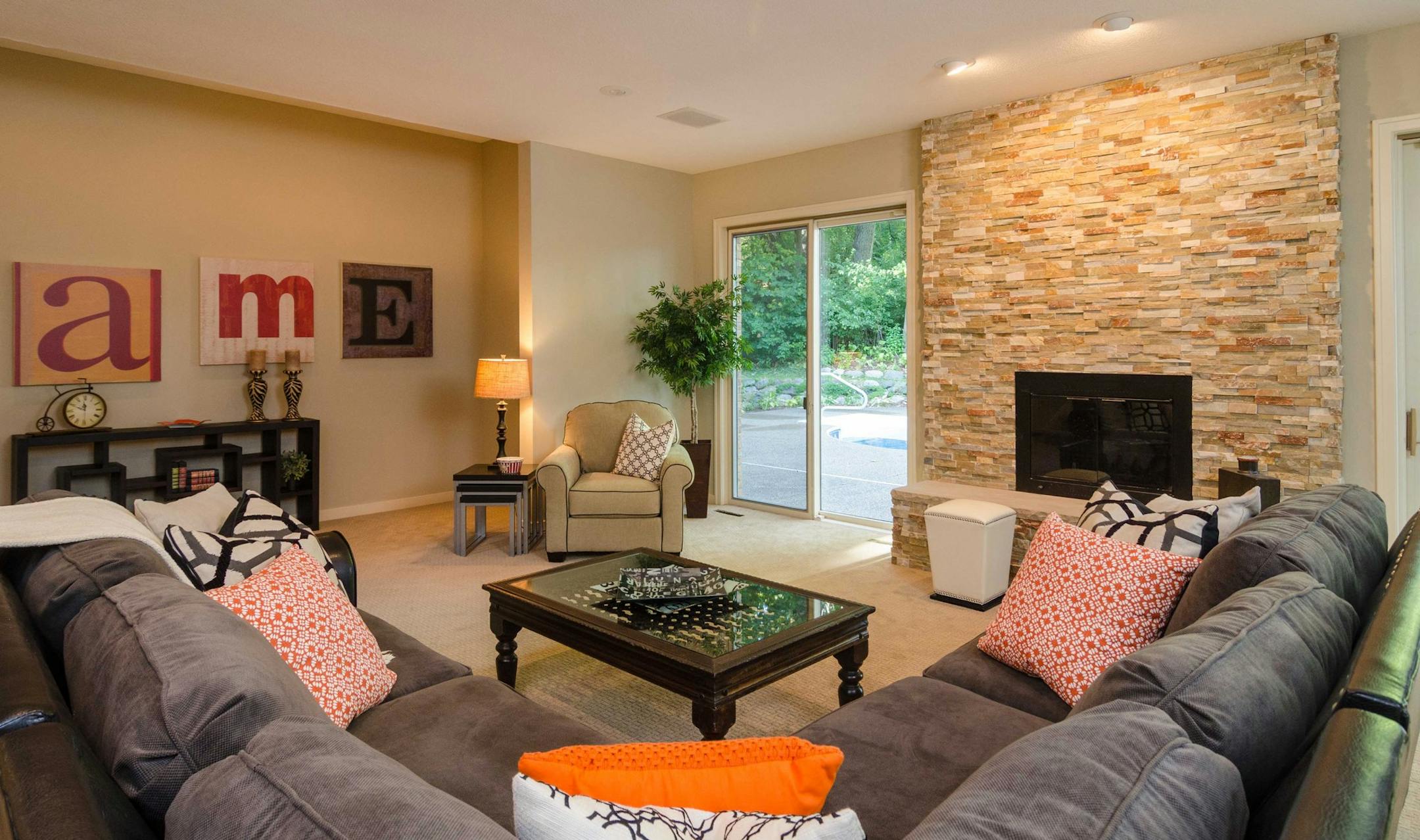
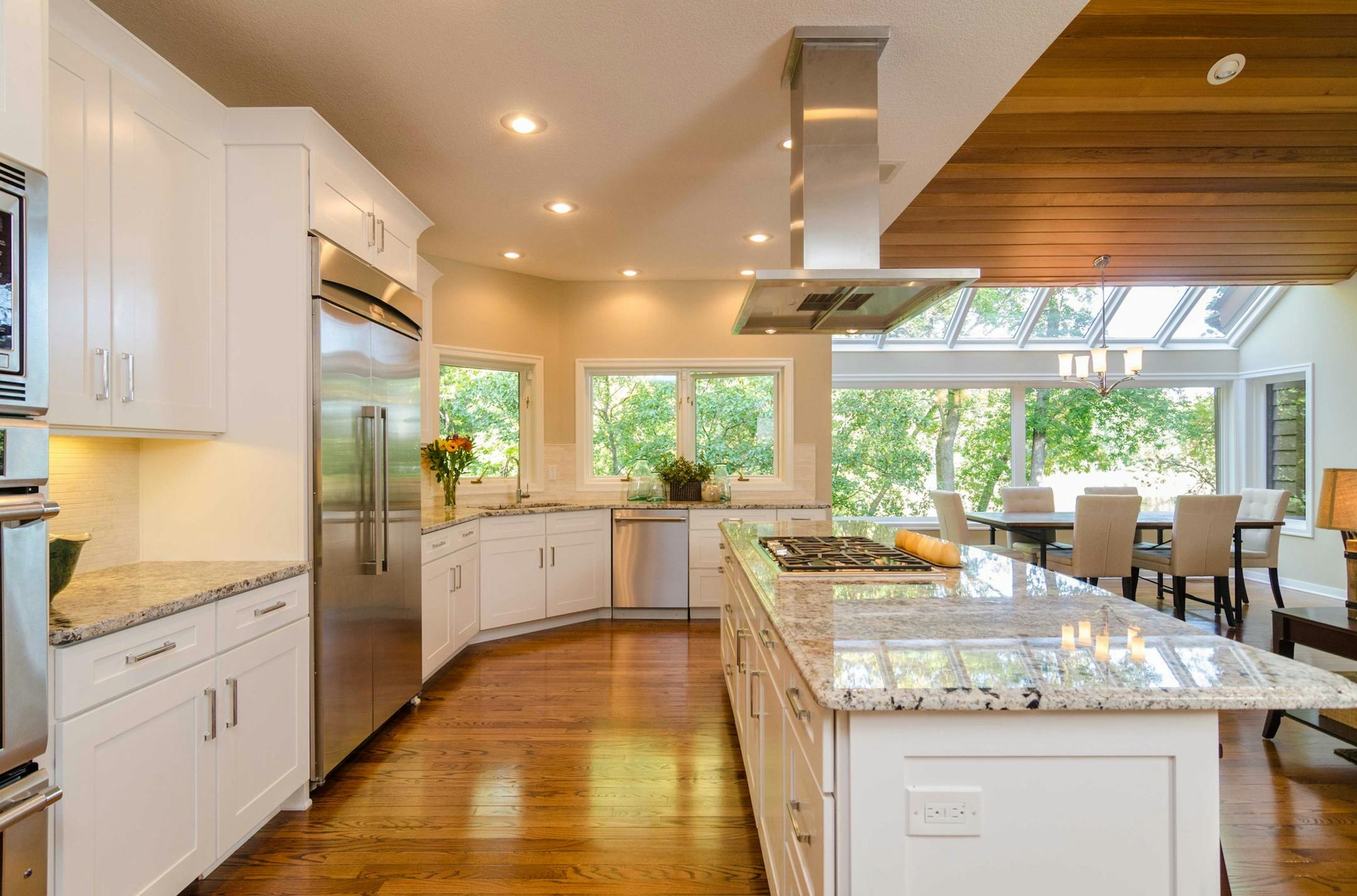
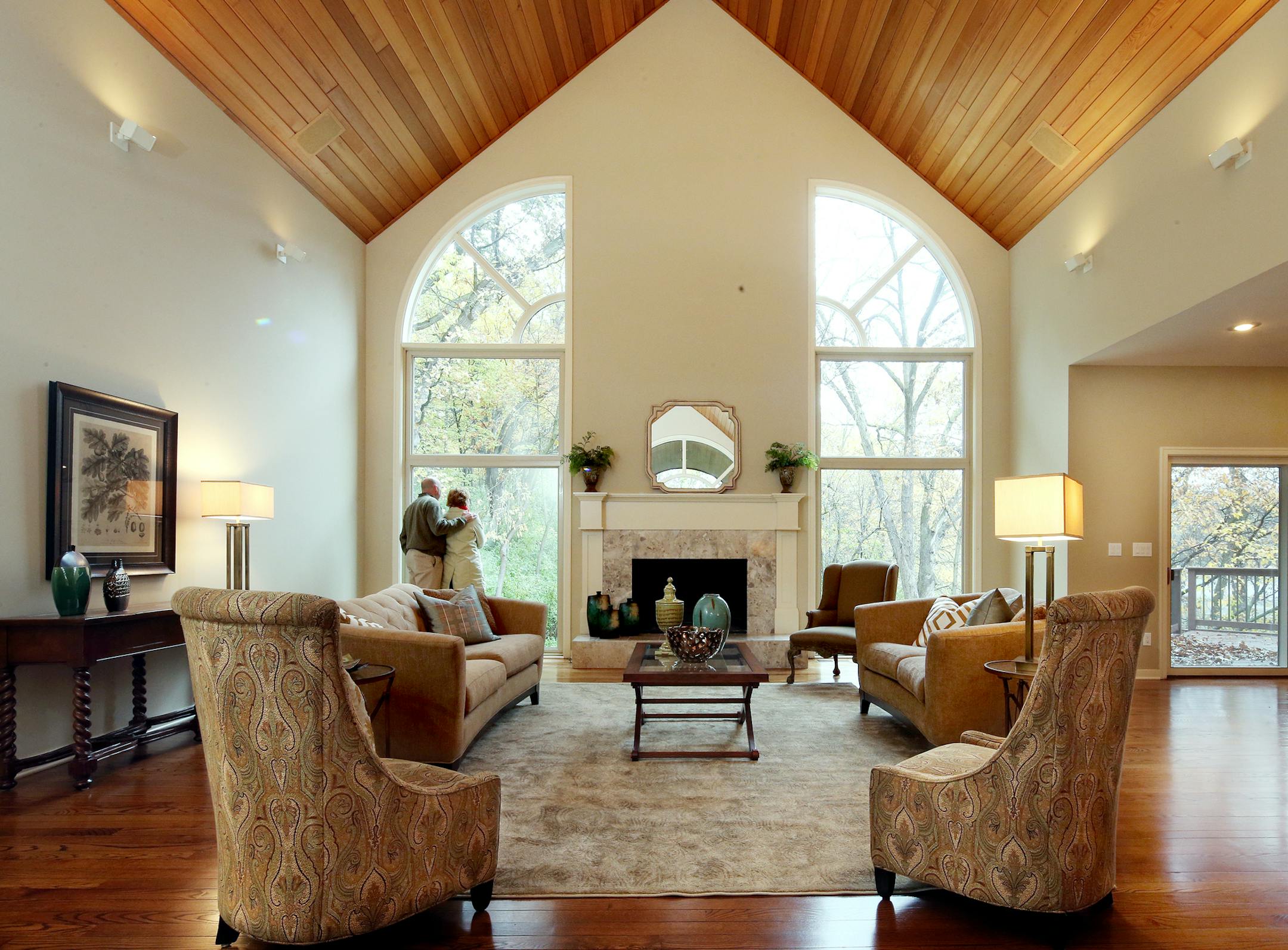
Instead of snapping up low-priced foreclosures and sprucing them up with paint and new carpet for a quick profit, a growing subset of investors are now turning to million-dollar properties — such as the house that broker Greg Lawrence dubbed "The Big Flip," a 7,750-square-foot Minnetonka home with indoor and outdoor pools, a brand-new luxury kitchen and a list price of $1.495 million.
It's a much higher risk than the 40 or so starter houses that Lawrence, owner of Home Avenue, has bought, rehabbed and sold in recent years, he said. But he believes the time is right.
"Five years ago, nothing was selling in the upper bracket," he said. But now listings and pending sales for million-plus homes in the western suburbs are up, and short sales and foreclosures in that category are now rare. "That's a big change. I'm encouraged."
Home-flipping soared during the recession. But because of increased competition for low-priced makeover candidates, investors with deep pockets are focusing on higher-end houses. Many reject the term "flipping." Instead of quickly selling, they're often holding and renting the property, waiting for the right market conditions. And when they renovate, they're not just slapping on a coat of paint but investing in major remodeling.
The number of single-family home flips fell 13 percent from 2012 to 2013, with a steep 35 percent drop in the third quarter, according to a recent report from RealtyTrac. Meanwhile, high-end flipping (homes priced at $750,000 or more) rose 34 percent between third-quarter 2012 and the same period this year. High-end flips are concentrated in New York and California, but home-flipping in the Twin Cities also is moving into higher price brackets.
"That's definitely what we're seeing," said broker Ryan O'Neill, Minnesota Real Estate Team, ReMax Advantage Plus. "Early on, as the market really crashed, a lot of people were gobbling up bank-owned inventory. But there's only so much of that. A lot of those have gone through the pipeline."
With higher prices, some small investors have been pushed out of the market, O'Neill said, leaving it to seasoned rehabbers with greater buying power. "There's less competition at the upper end because there are less people with those deeper pockets, to be able to put $100,000, $200,000, $300,000 into a house and not be freaked out by those numbers. It's certainly not for the faint of heart."