"It's like déjà vu," said the woman loudly to her friend, so I couldn't help overhearing. "I feel like I walked past that same spot yesterday but I can't quite place it."
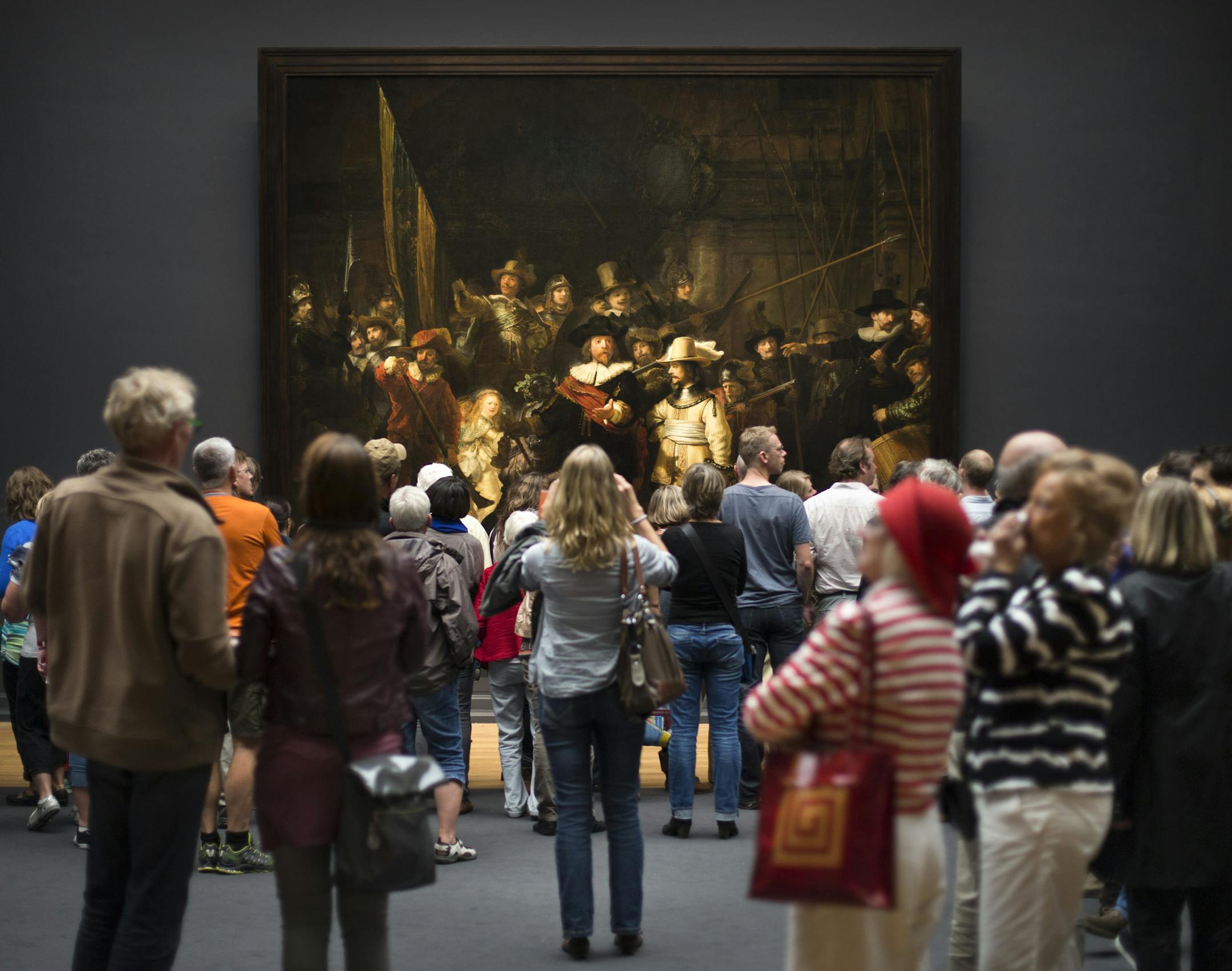
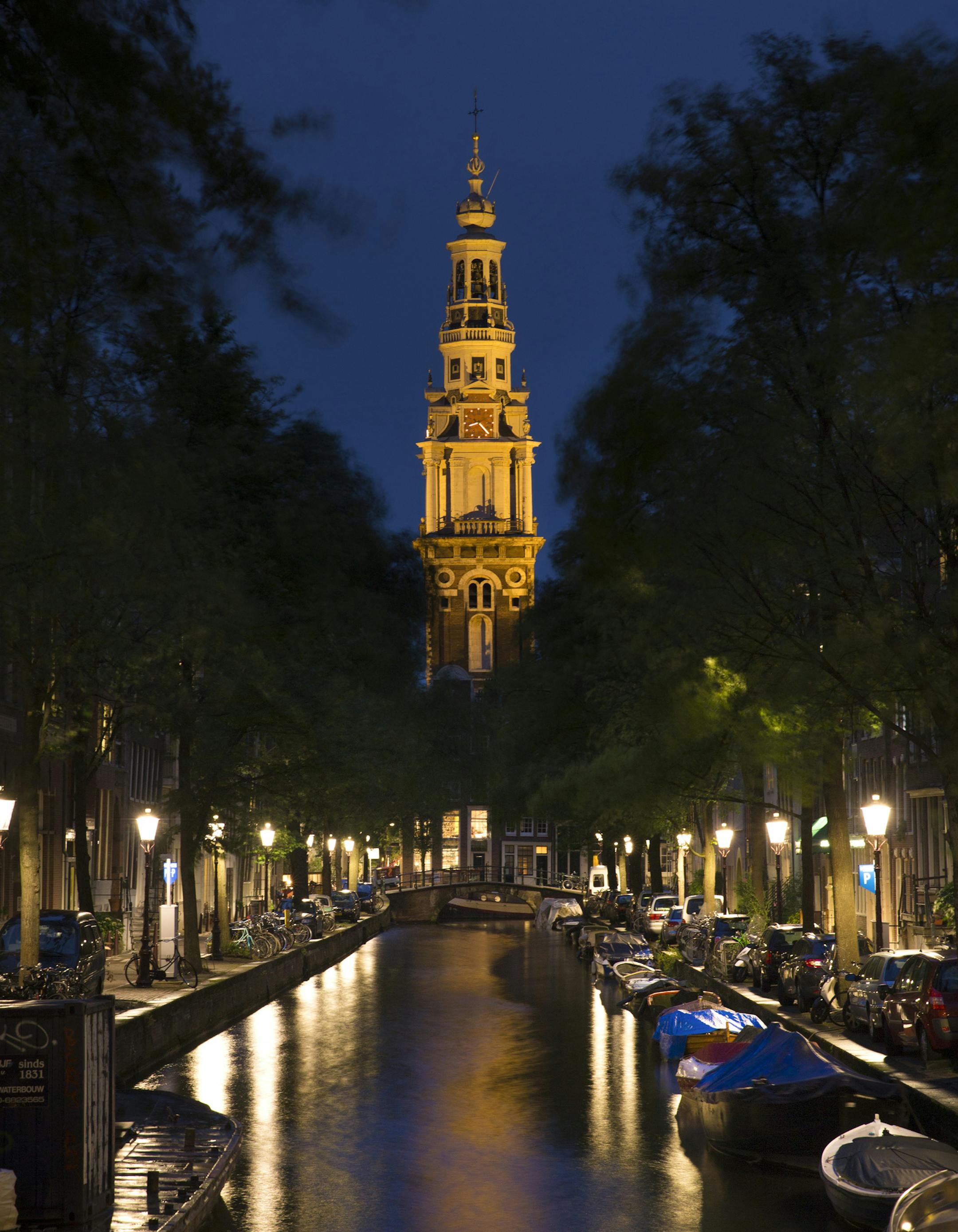
We were standing in a row, three Americans abroad, gazing at a 17th-century painting of a Dutch canal in Amsterdam's recently reopened powerhouse Rijksmuseum, and I diplomatically decided not to intrude. But peering more closely at the canvas, things became clear. The scene of brick row houses and humpbacked bridges? The immense lowlands sky that looked so swollen it seemed ready to split the canvas and spill out its golden light? Maybe the woman was staying in some anodyne suburban hotel and had been rushed through Amsterdam's historic quarter, so it left only a blurry impression. Or maybe she had just been too jet-lagged to notice. But walk out the Rijksmuseum door, turn left, stroll four blocks and one bridge over, and you stumble straight into an echo of the cityscape we were all studying on the canvas, down to the tilting gabled roofs and the glowing dome of a sky. Chances are the woman really had walked through some semblance of the painting the day before.
That sense of mirror image underscored an epiphany that I hoped my fellow traveler, after a good night's sleep, would wake up to, and one that would keep resurfacing throughout my own most recent spring week in the Netherlands. Europe offers plenty of countries crammed with artistic masterworks. But few, in the end, feature what Holland does: such an inextricable link binding art and subject, painter and muse, that you can savor the Dutch master canvasses in the morning and then stroll right into their sublime landscape by the afternoon.
The miracle is partly due to the fact that many old Dutch towns escaped both world war bombing and the 1960s urban development frenzy that left behind an ugly scrim of steel and concrete elsewhere. And it's partly because the local artists, unlike so many of their continental counterparts, weren't interested in painting the baroque world of inbred, cross-eyed monarchs and overwrought mythological melodramas.
Working for a pragmatic market of middle-class Dutch burghers, who wanted to see reflections of their own secular reality, Rembrandt and Vermeer focused their radical gazes, instead, on the everyday beauty of this blooming world: the light stippling a brick house front; a strand of pearls and a ripe peach; the fields and canals that still define our sense of Holland and that we can experience ourselves.
Three reopened museums
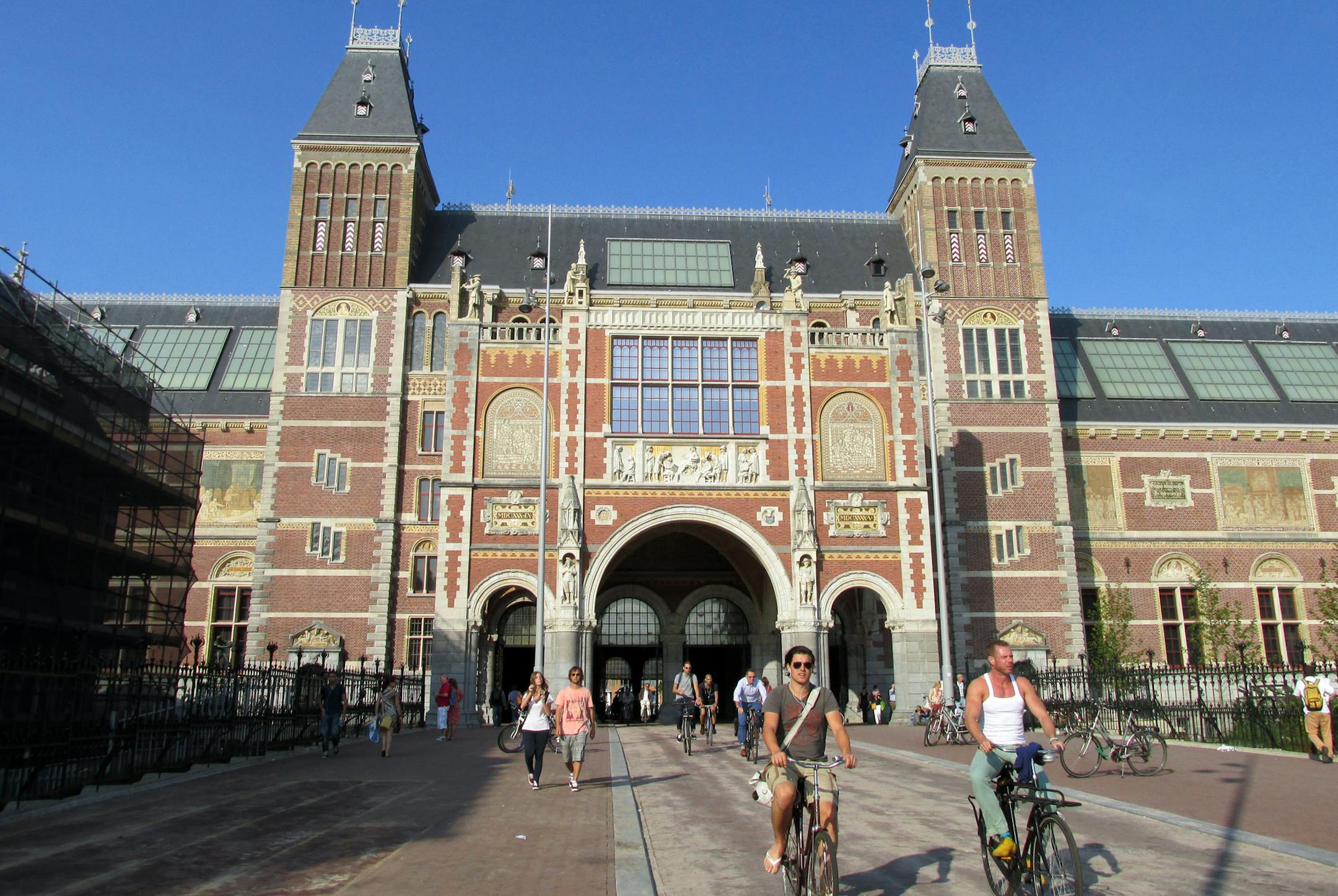
The earthbound sensibility of the Golden Age artists is what makes their work such pioneering classics and it helps explain why Amsterdam, at a time when most cities are retrenching, invested multimillions of dollars renovating its trifecta of world-class art galleries: the contemporary Stedelijk, the Van Gogh Museum, and the Rijksmuseum. All three museums have reopened this year, along with a Museum Square that has been re-invented as a new public performance hub. But it is the big reveal of the refurbished 19th-century Rijksmuseum this spring, after a 10-year makeover, that justifies a trip to Amsterdam.
The museum's new anchor is a glass atrium that seems designed to soak up all of the ethereal Dutch light. Jutting off that luminous courtyard is an airy cafe and an epic gift shop stocked with herring-shaped soap on a rope, tulip vases and an edible chocolate miniature of the museum itself, if you want to take a bite out of the gallery. But the renovation's biggest gift are the freshly edited and laid out galleries that give the masterworks by Holland's A list — Rembrandt van Rijn, Johannes Vermeer, Jan Steen, Frans Hals, Jacob Isaacksz van Ruisdael — room to breathe and play off one another.
"No more double rows of paintings in the main galleries," curator Pieter Roelofs told me when he led me on a tour.