

NOVELS
"THE ILLUMINATION" by Kevin Brockmeier (Pantheon, $24.95)
The world is full of books with fantastical content -- time travel, superhuman capabilities, aliens. In "The Illumination," the fantastical piece is that, suddenly, people with any sort of injury or pain glow where it hurts. If you think that that phenomenon is what is going to carry this novel forward, you're both completely right and utterly wrong, and that may be why several reviewers have been unable to fully explain why Brockmeier's novel is so beautiful and so remarkable. At a structural level, "The Illumination" is a set of stories held together by a heartfelt journal that is passed from character to character. While it's to the author's credit that this gimmick works, it isn't the thing that makes the book as a whole work. That "thing," if it can be deemed such, is something indeed out of the ordinary -- Brockmeier's supernatural compassion, which washes over each character in turn like some kind of ... heavenly light.
"THE YEAR WE LEFT HOME" by Jean Thompson (Simon & Schuster, $25)
Put down the Franzen and pick up Jean Thompson's absorbing saga of an Iowa family coming to terms with the end of one century and the start of another, bookended by the Vietnam and Iraq wars. Some of the characters do expected things, some don't; it's Thompson's use of perspective that allows each of them to surprise readers.
"BIRDS OF PARADISE" by Diana Abu-Jaber (W.W. Norton, $25.95)
The counterpoint of protagonist Avis Muir's finicky pastries and her Haitian neighbor's mysterious home remedies bracket the heart of Diana Abu-Jaber's novel the way outer petals frame its titular blooms. "Birds of Paradise" concerns a vibrant, modern Miami that, while filled with waste and decay, contains the seeds of its own rebirth.
"THE TRAGEDY OF ARTHUR" by Arthur Phillips (Random House, $26)
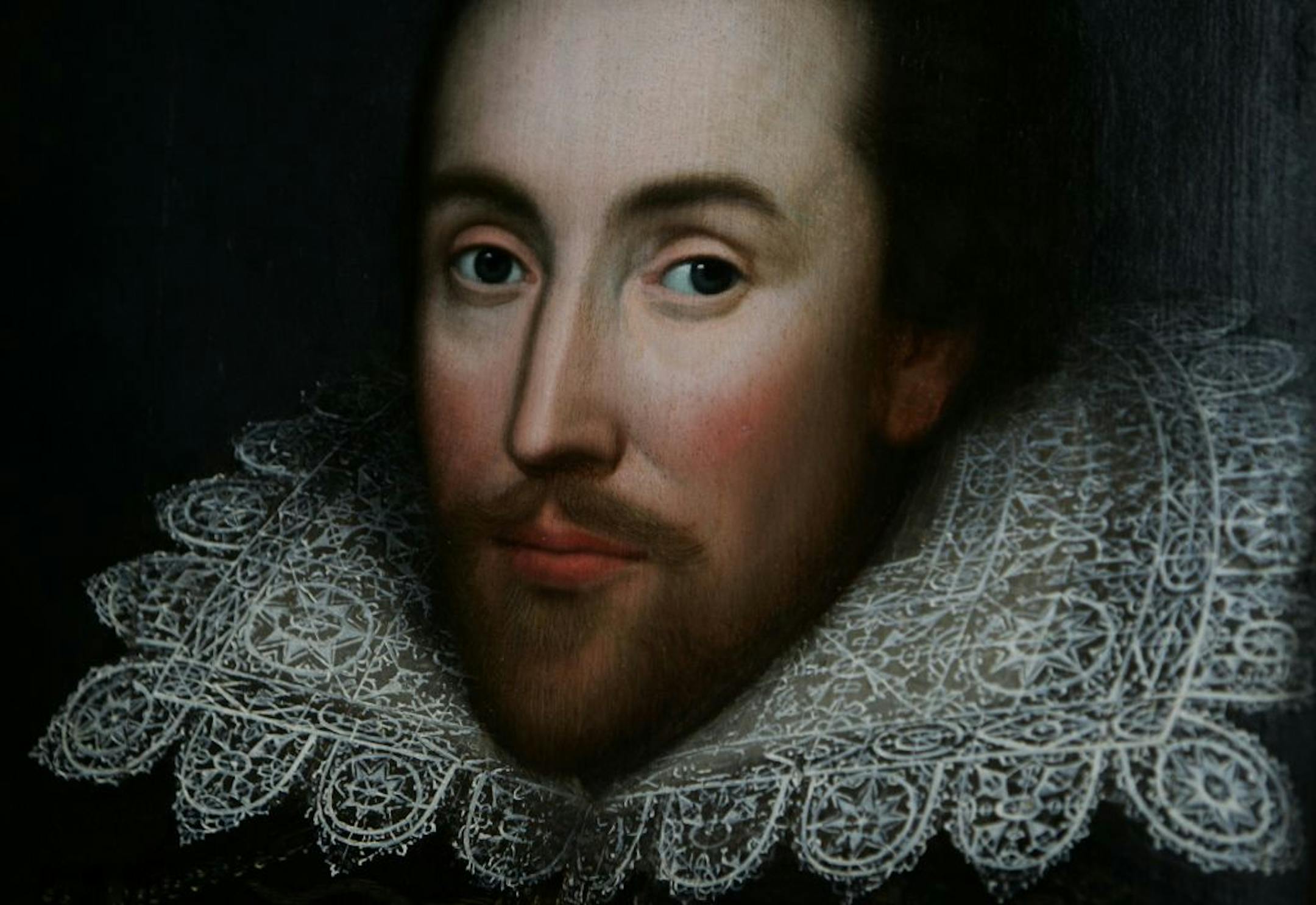
Most writers would settle for being able to pull off writing like Arthur Phillips does when he's writing in just one voice. Thus, when he not only creates a new narrative doppelganger and has the fictional Arthur discover a play supposedly written by William Shakespeare that actually sounds like Shakespeare? They will probably just give up.


