BARCELONA, Spain — Their bodies and brains ravaged by the oxygen-scarce heights of the Himalayas, even the hardiest few who scale the treacherous slopes of Mount Everest cut short celebrations for some well-deserved rest.
Not Kilian Jornet.
Somehow, he still had some legs left.
"My plan was to go up one time," Jornet told The Associated Press in a recent interview in Barcelona, a couple of hours south of his native Pyrenees. "When I was going down, I was like, 'Hmm, we could have some days before we leave' . I wanted to try to go back up again."
So the man who has helped nurture high-altitude running from obscurity into the forefront of extreme mountain sports set out for a second solo ascent in a six-day span of the tallest peak in the world.
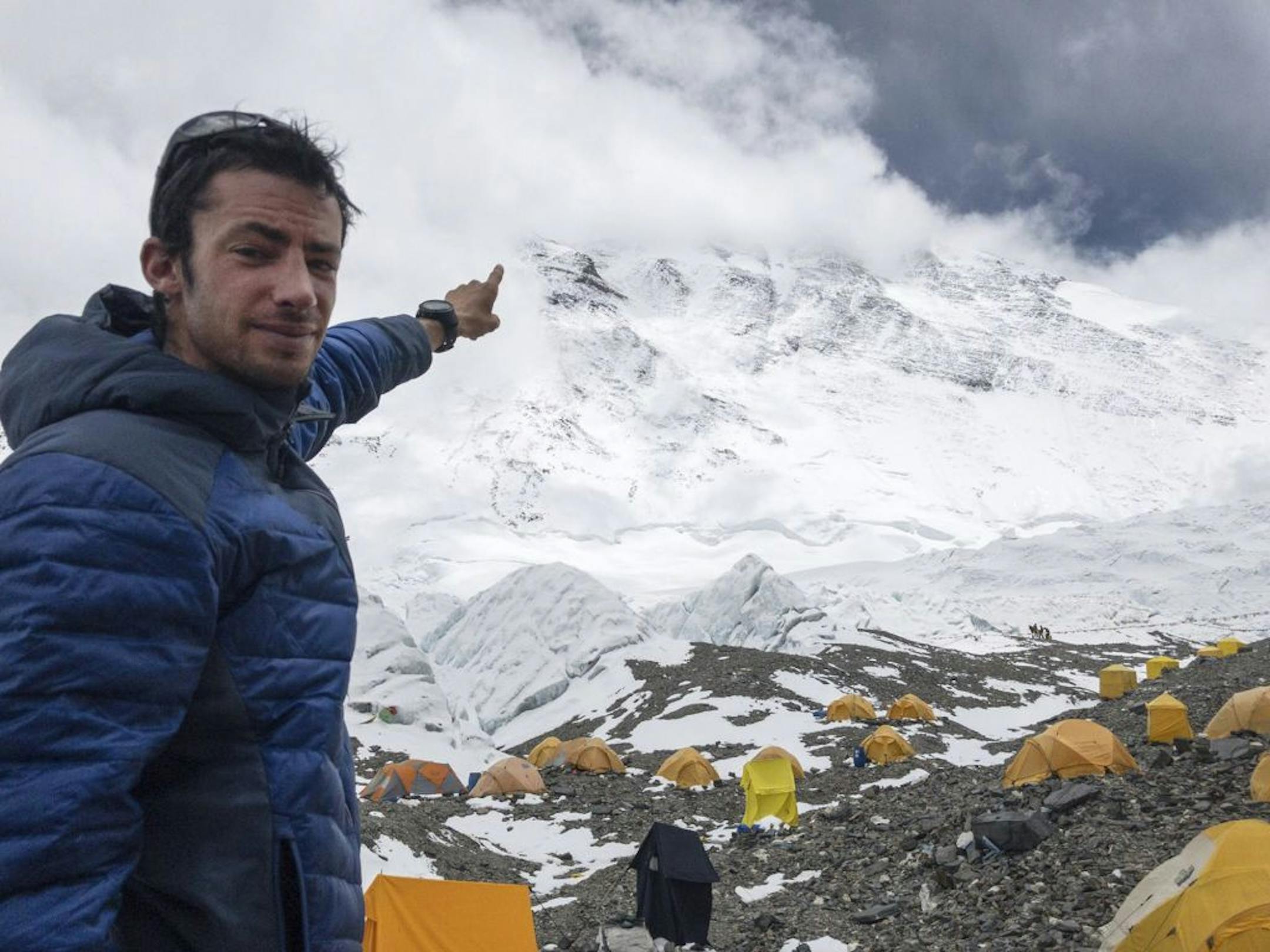
Not that Jornet had anything left to prove. Despite being slowed by a stomach bug that caused him to vomit and cramp while climbing, Jornet made his first ascent up Everest's north face from the base camp near the Rongbuk monastery at 5,100 meters in Tibet, crowning the 8,848-meter summit around midnight of May 21 in 26 hours after one continued push. That was the fastest known time for the route without the use of supplemental oxygen, according to the International Skyrunning Federation, which governs high-altitude racing.
By May 27, Jornet had recovered quickly enough to make a second ascent from an advanced base camp, at 6,400 meters. He passed by three camp sites where climbers usually need to rest and reached the summit in 17 hours, just 15 minutes slower than the record set by Hans Kammerlander in 1996.
That climb usually takes mountaineers a lot longer. Something like four full days.