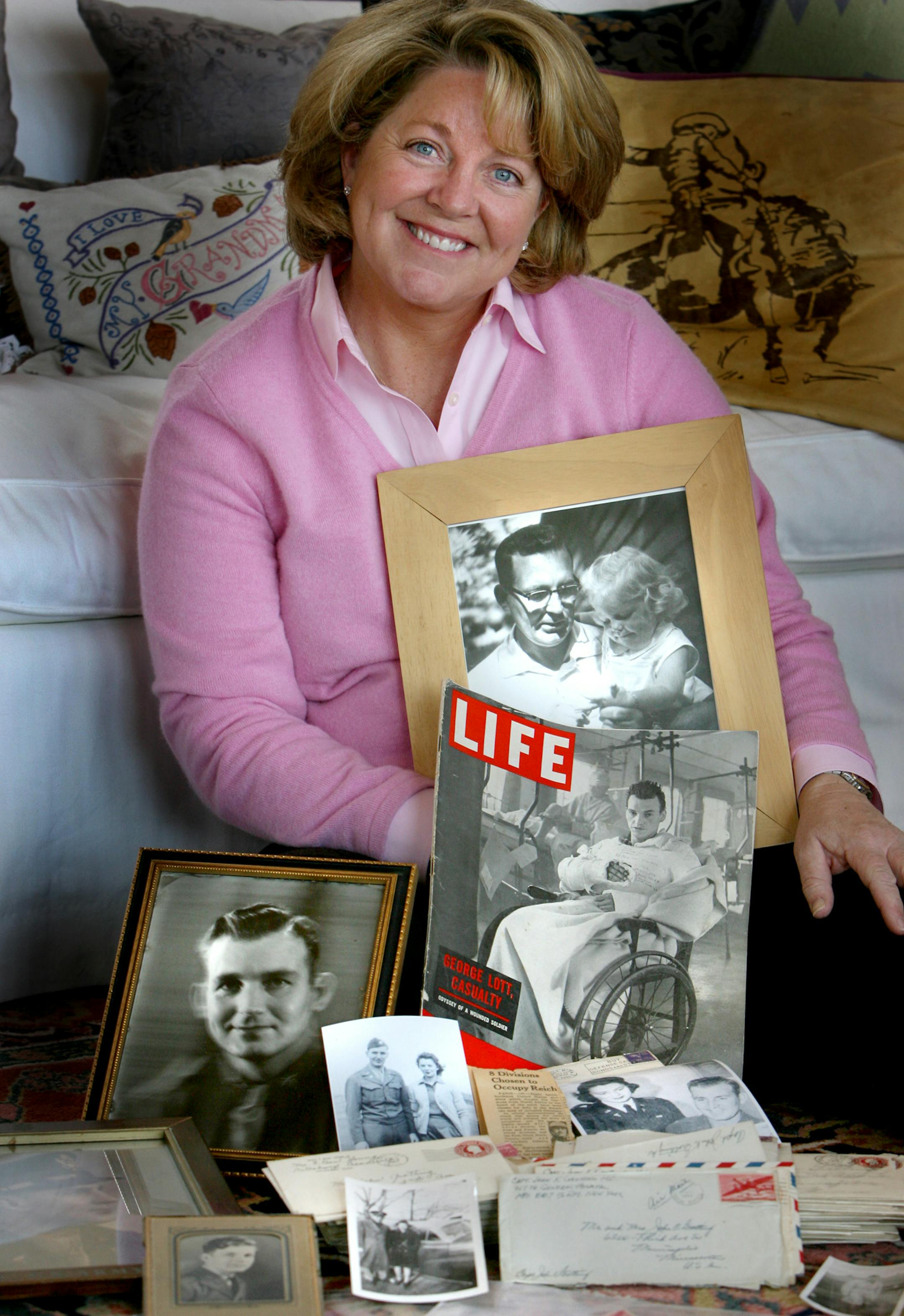
All her life, Mary Mithun has had only two possessions by which to remember her father, Dr. John Grotting. He died when she was 10 years old.
Mithun has cherished these mementoes: a photo of her as a 4-year-old on her father's lap, and a letter he wrote her at camp when she was 9, assuring her he would take good care of her dog and giving some wise counsel.
"He told me to 'be a good camper,'" Mithun, of Deephaven, explains with a smile. "That was all the advice I ever had from him, and I've tried to make it my motto."
Until recently, Mithun had only sketchy details of her father's life. She knew, for example, that his parents were penniless Norwegian immigrants, and that he had risen from poverty to become chief of staff at what is now Abbott Northwestern Hospital, a post he held when he died at age 52.
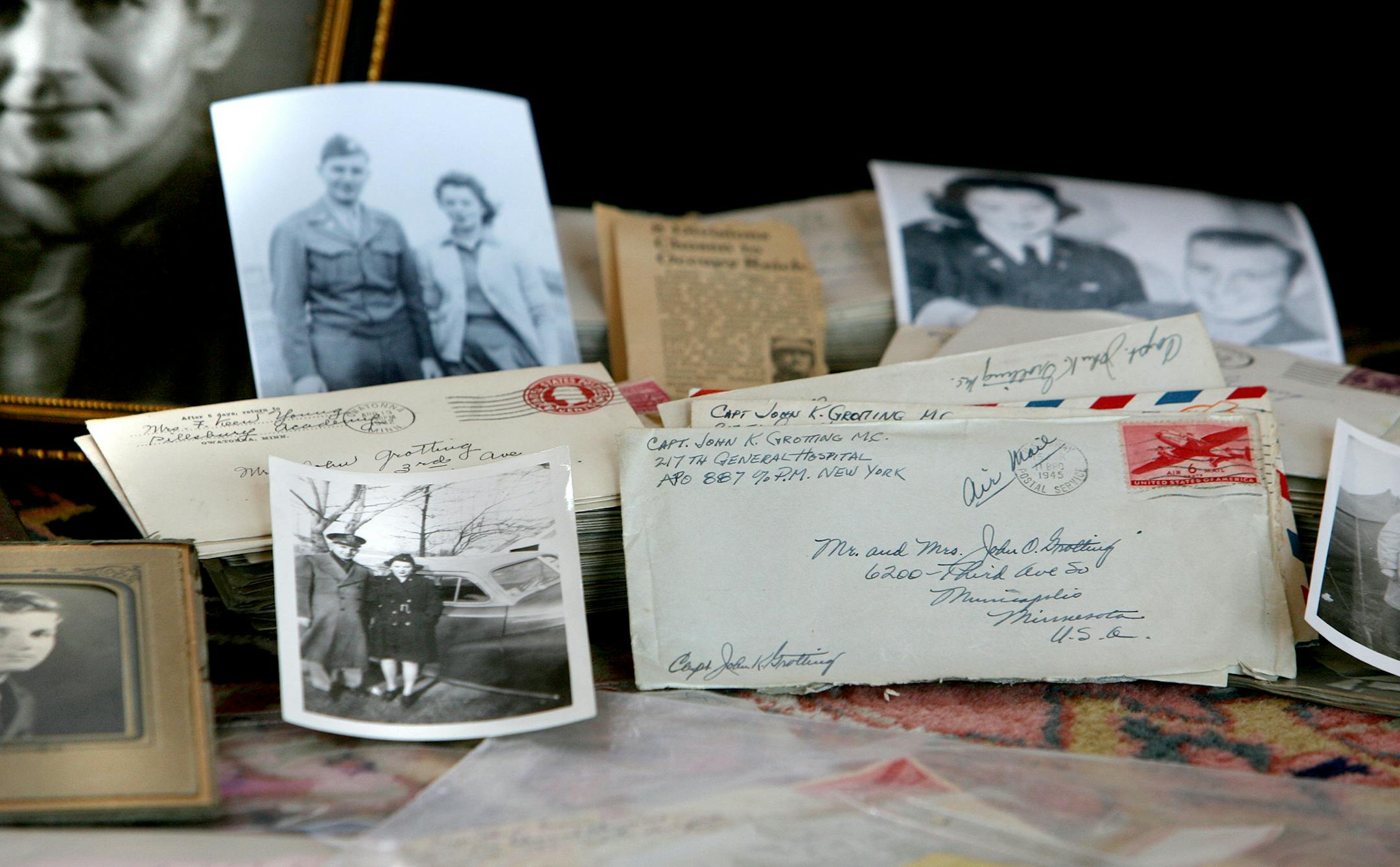
So when a battered old box of family artifacts surfaced in her aunt's basement a few months ago, Mithun raced over, hoping to find a little something to add to her meager collection. Instead, she discovered hundreds of her father's decades-old letters, sorted into bundles and tied with yellowed string.
"My dad emerged from that box," says Mithun. "Forty years later, he's alive again."
As Mithun began to sift through the letters, her dad's inner life and life's journey slowly came into focus. He told her in his own words -- if indirectly -- about his ambitions, his frustrations and the moral convictions that had shaped his character.
As a 16-year-old writing in the depths of the Depression, for example, he thanked his parents for a long-anticipated Christmas gift -- getting his shoes resoled. As a World War II Army plastic surgeon stationed in Paris, he confided his frustration as he struggled to "patch up" an endless line of young soldiers disfigured on some of the war's bloodiest battlefields.