

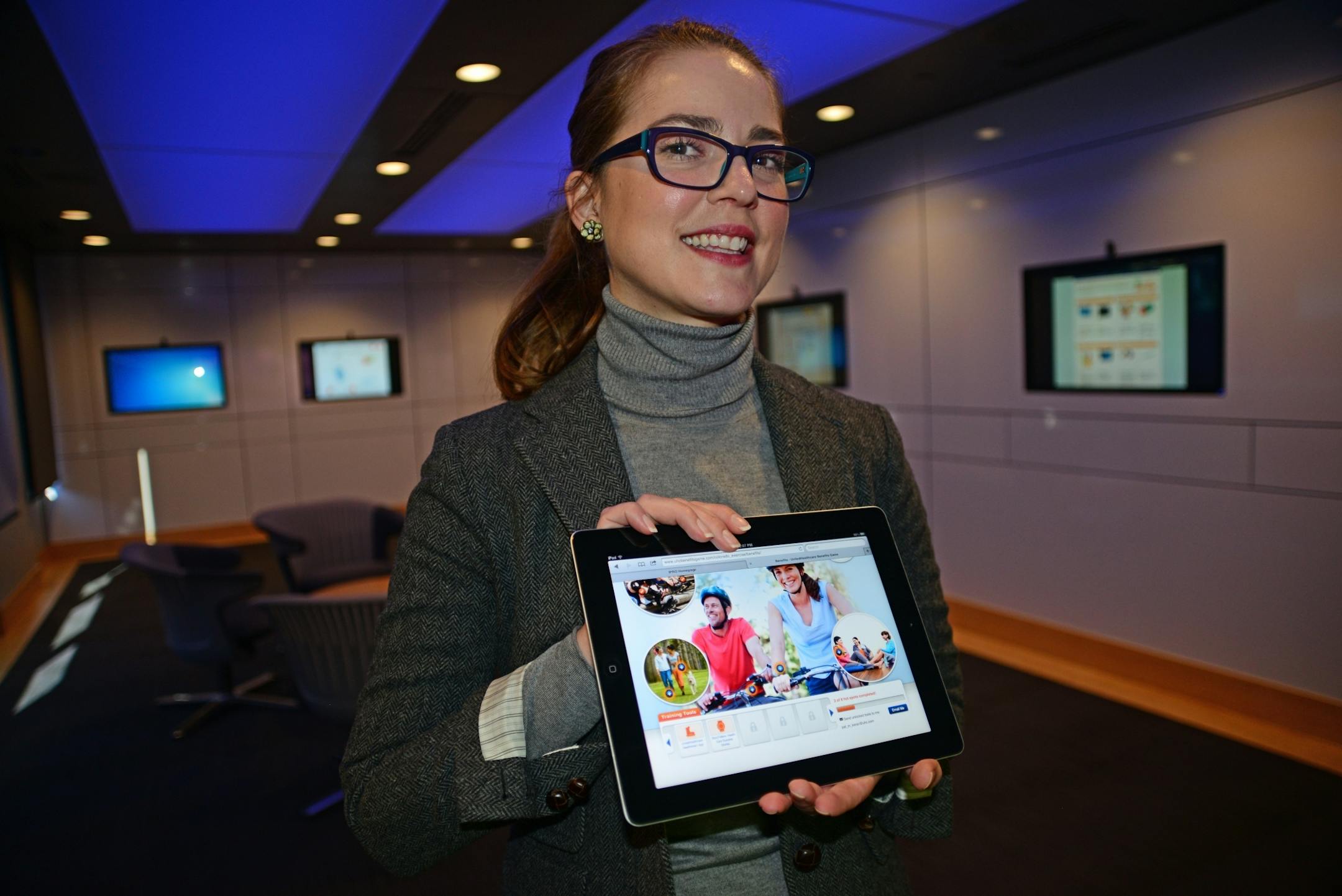
In the fast-changing world of health care, it's game on.
Long scorned for contributing to a sedentary lifestyle and a host of other ills, video games are gaining ground as a way to get people healthier.
A video game can turn a child with diabetes into an empowered superhero who tests his blood sugar before taking on monsters. Give a new mother a game — with gift cards as prizes — and she's more likely to show up for well-baby visits.
"Games tap into very deep and fundamental aspects of our psychology," said Ken Werbach, a professor at the University of Pennsylvania's Wharton School who wrote a book on gaming. "We love surprises, we love challenges, we love competition, we love fun."
Insurance companies and health care providers see growing potential for "serious gaming" to promote healthy behavior and even treat disease. After a decade of slow growth, the $1.2 billion market for health gaming could explode to $10 billion by 2015, according to some estimates.
Rising interest in the field is spawning new careers, attracting the interest of deep-pocketed corporations and changing the way doctors, patients and insurers interact with data and each other.
"The amount of research going into it is increasing, the number of start-up companies is increasing, the amount of research in hospitals and medical centers is increasing," said Bill Ferguson, editor-in-chief of Games for Health Journal, a peer-reviewed behavioral health publication that launched last year. "It's growing very fast."
National insurers such as UnitedHealth, WellPoint, Humana and Cigna are all players in the health-gaming world. The companies recognized early on that self-monitoring and healthy habits can prevent costly hospital stays. Games may also help address the costly and pervasive problem of noncompliance — when patients leave the clinic and don't do what they're supposed to do.


