

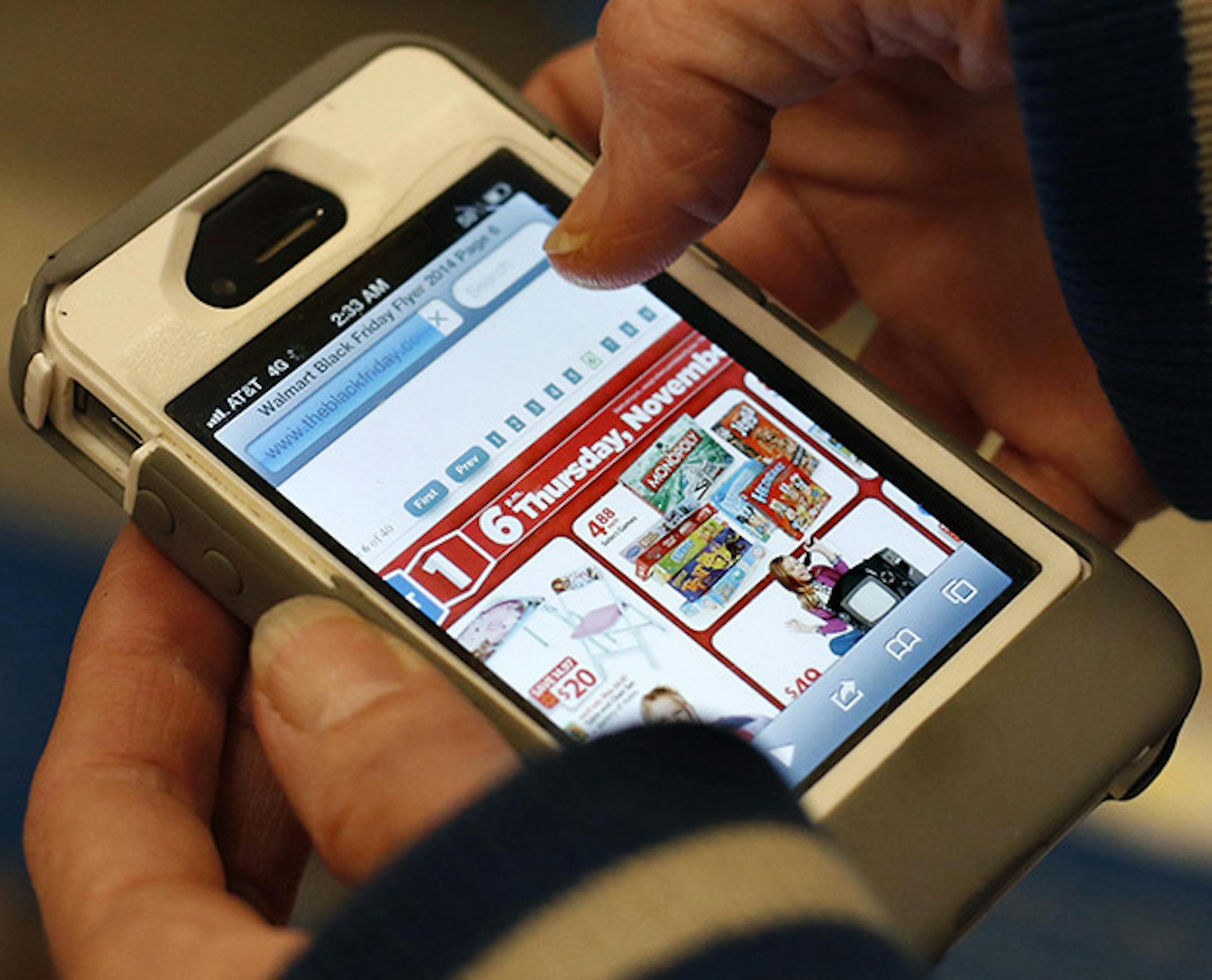
Your smartphone addiction is doing more than giving your thumbs a workout, it is also changing your brain.
A study suggests that using a smartphone — touching the fingertips against the smooth surface of a screen — can make the brain more sensitive to the thumb, index and middle finger tips being touched. The study, published in the journal Current Biology, found that the differences between people when it comes to how the brain responds to thumb stimulation is partly explained by how often they use their smartphones.
"I was really surprised by the scale of the changes introduced by the use of smartphones," said Arko Ghosh, of the Institute of Neuroinformatics of the University of Zurich and one of the study's authors.
Other research has shown that musicians and expert video gamers show the same type of brain adaptations.
CDC warns against binge drinking
U.S. binge drinkers are fueling an average of six alcohol-poisoning deaths per day, according to a new government report.
Women who have four or more drinks on an occasion and men who have five or more are considered binge drinkers by the Centers for Disease Control and Prevention. But nearly every week, more than 38 million people report consuming an average of eight drinks during one episode, or binge, the CDC found.
That kind of heavy drinking over a short period, such as two to three hours, can prove fatal. High alcohol levels can shut down the brain's ability to control breathing, heart rate and body temperature, leading to death.
"If we could eliminate binge drinking, we would dramatically reduce the risk of alcohol poisoning," said Bob Brewer, who heads the alcohol program of the National Center for Chronic Disease Prevention and Health Promotion at the CDC.


