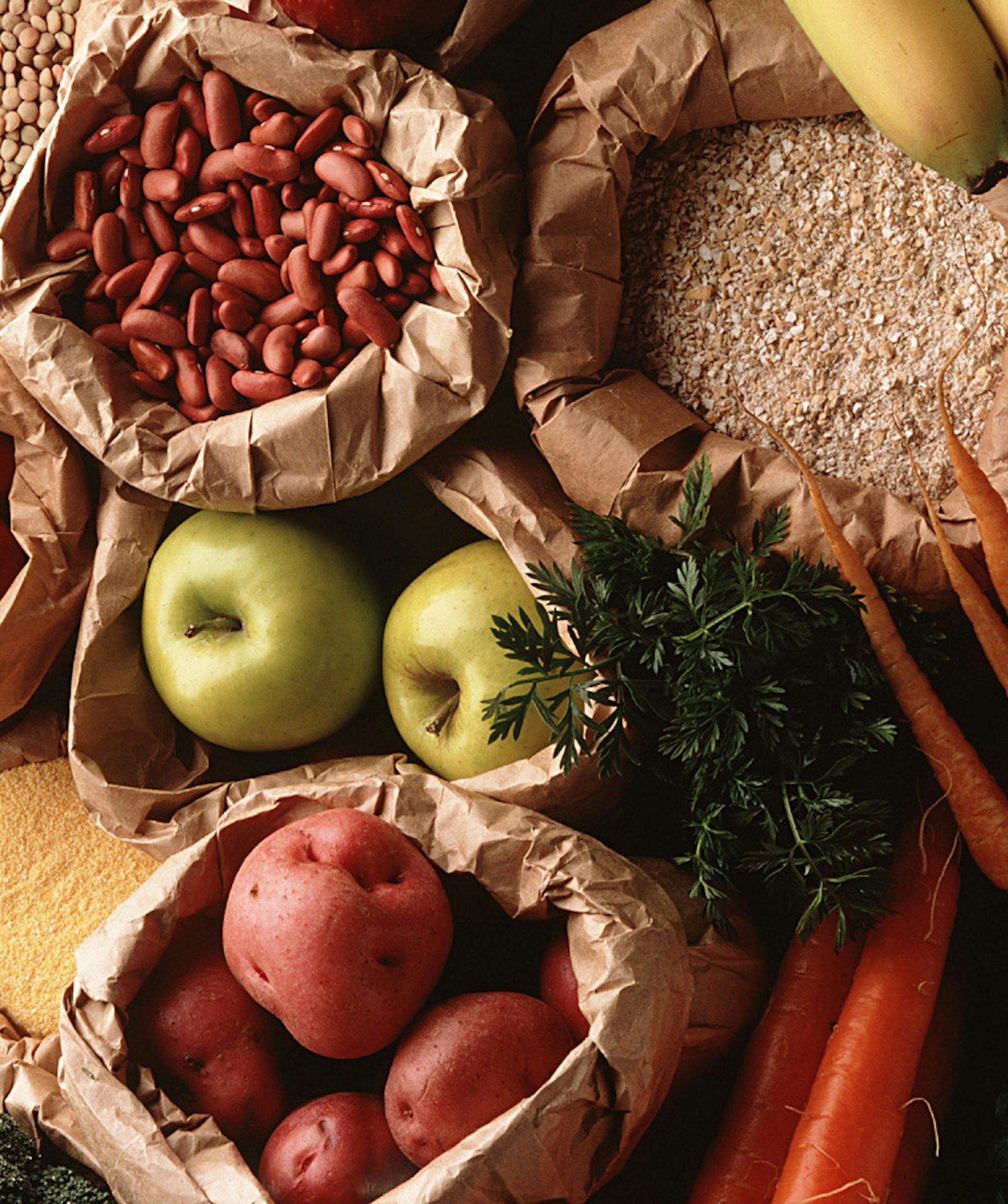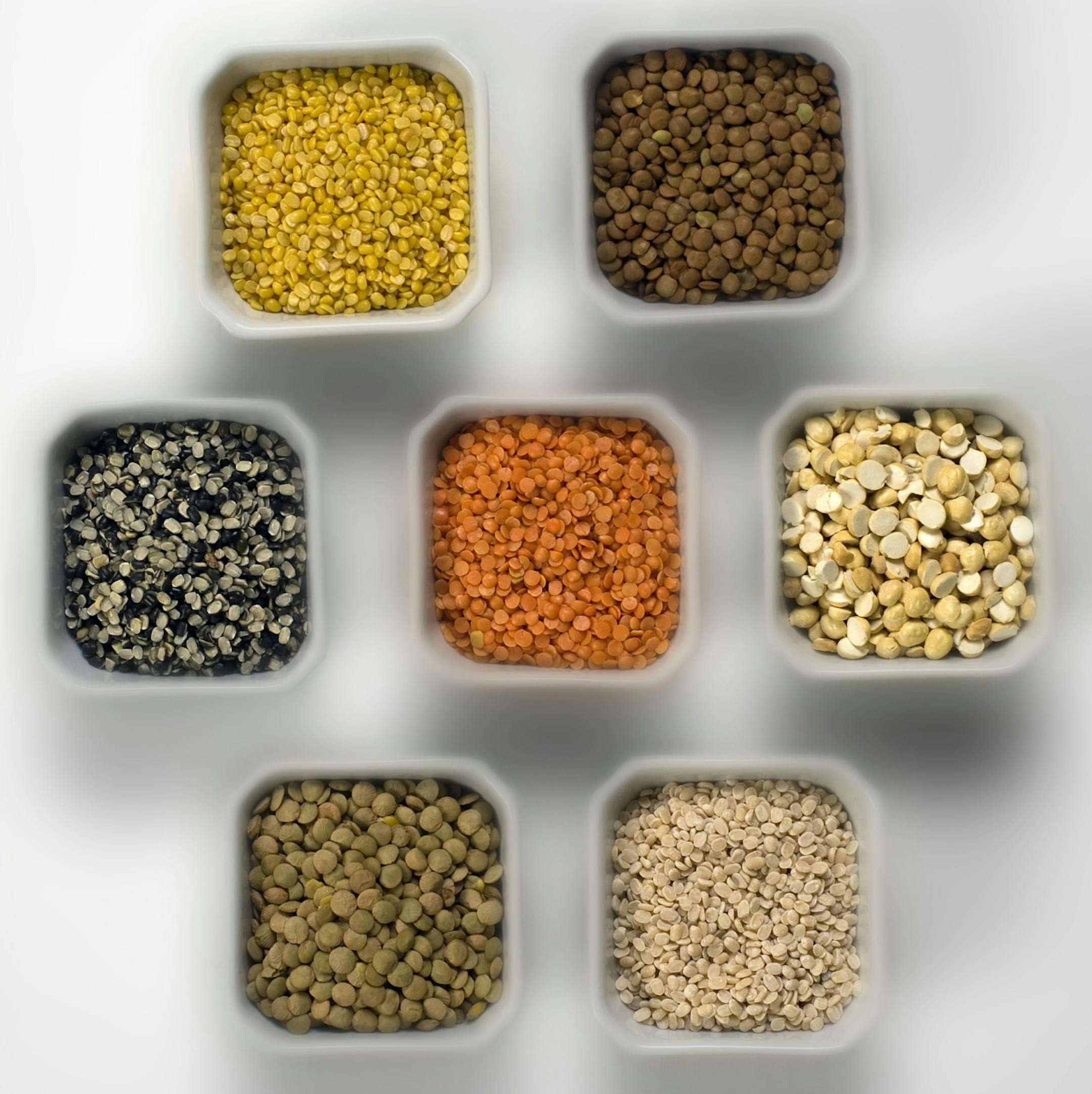
Eating modest amounts of legumes — peas, chickpeas, beans and lentils — appears to reduce levels of LDL, the so-called bad cholesterol.
In a review of randomized clinical trials, researchers found that eating 4.5 ounces of cooked legumes — or about three-quarters of a cup — a day reduced LDL levels by about 5 percent, compared with similar diets without them. Lowering LDL by that amount suggests a 5 to 6 percent reduction in heart attacks and other major cardiovascular events, the researchers wrote.
The analysis, published in the Canadian Medical Association Journal, covered 26 trials involving 1,037 volunteers, average age 51. The average duration of follow-up was six weeks.
The trials found no effect of legumes on other predictors of cardiovascular risk such as apolipoprotein B and non-HDL cholesterol (total cholesterol minus HDL or "good" cholesterol).
One of the report's authors, Dr. John L. Sievenpiper of St. Michael's Hospital in Toronto, said the average American diet includes less than 1 ounce of legumes a day. "We have to think of this as one more way of lowering cholesterol," he said.
Can coffee reduce cancer risk?
In their continuing quest to prove that coffee is indeed a health food, medical researchers analyzed the health records of nearly 180,000 Americans and determined that the ones with a daily java habit were less likely to get a common type of liver cancer than their less-caffeinated counterparts.
The study, presented earlier this month at the American Association for Cancer Research's annual meeting in San Diego, may not be enough to get your coffee break covered by your health insurance, but the results were striking.
Compared with people who drank no more than six cups of coffee a week, those who drank one to three cupa day were 29 percent less likely to develop hepatocellular carcinoma, or HCC, which is the most common form of liver cancer.
Serious coffee drinkers — those who downed four or more cups a day — were 42 percent less likely to be diagnosed with the disease.
![A finished pourover hand-crafted cup of coffee in St. Paul, Minn. on Tuesday, July 13, 2012. ] MEGAN TAN/ STAR TRIBUNE•megan.tan@startribune.com. NOTES: This technique of coffee making is creating a third wave among the coffee industry.](https://arc.stimg.co/startribunemedia/KNMNCTZQSSFQ3LDTG72BPBOYHY.jpg?&w=1080)