

Have credit card debt? A balance transfer might be your solution

How a balance transfer card can make paying off high-interest credit card debt possible

Provided by Associated Healthcare Credit Union

January 30, 2026 at 5:18PM

For many of the millions of Americans who carry a credit card balance, that number doesn’t just represent debt. It can be a source of stress, anxiety and even shame.

It’s something that Certified Credit Union Financial Counselor Leslee Miller sees firsthand at Associated Healthcare Credit Union.

“It’s easy to get yourself in a position where it feels out of control and overwhelming,” Miller said. “But there’s no shame in asking for help.”

Leslee Miller, Certified Credit Union Financial Counselor at Associated Healthcare Credit Union

Thankfully, Miller and the AHCU team can help members find ways to pay down their debt and make it more manageable. And one of the best tools to do that is a balance transfer card.

What is a balance transfer? And who is eligible for one?

Many financial institutions, including AHCU, offer balance transfer credit cards designed to consolidate outside credit card debt. These cards often offer better interest rates than other credit cards, which can reach 30% or even higher.

By comparison, balance transfer cards often have lower interest rates, with some offering an initial rate as low as 0%. And that difference can make paying off an existing balance far more doable.

“It allows users to really gain some momentum with their balances because more of their payments are going towards the principal rather than the interest,” Miller explained.
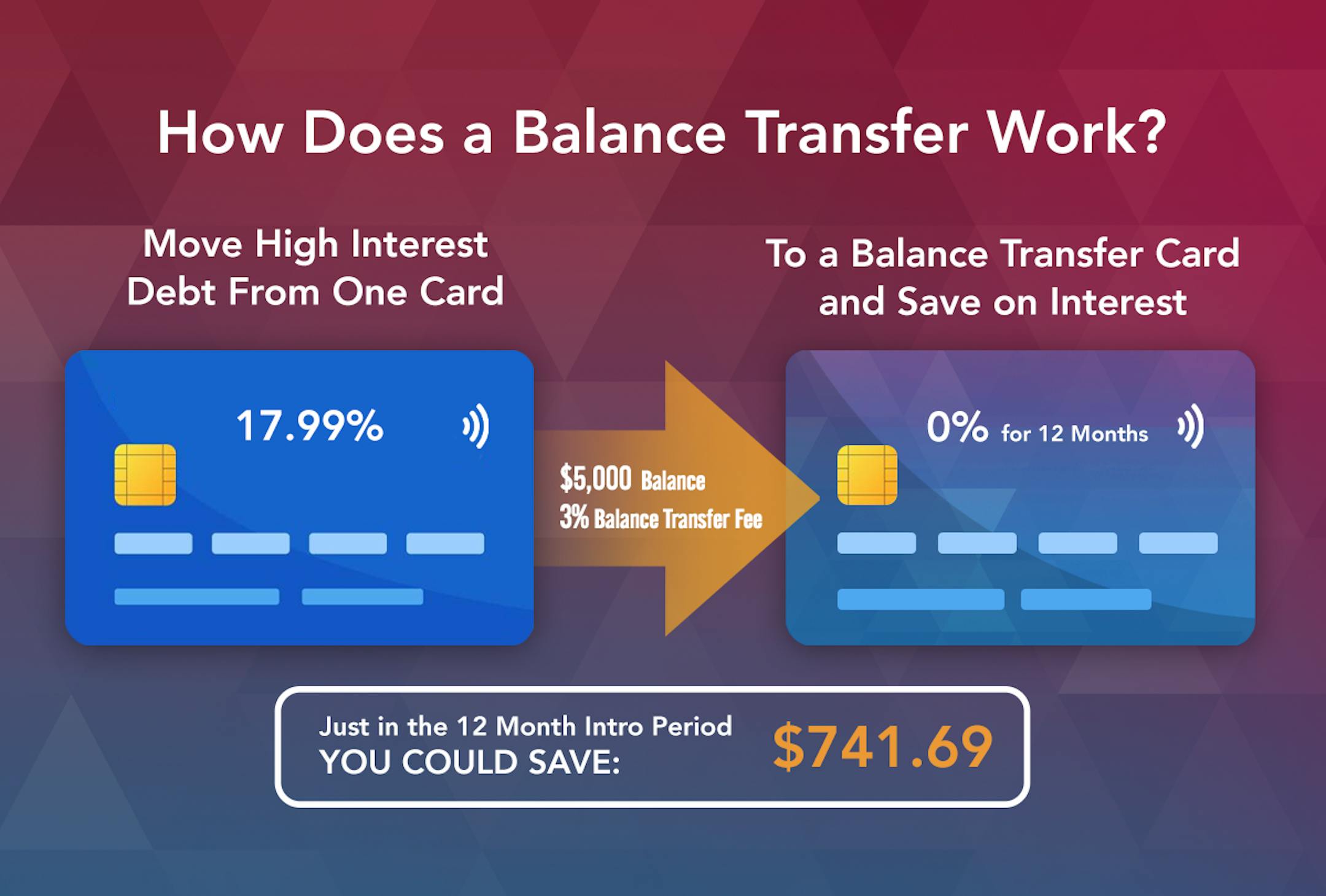
On top of better interest rates, balance transfer cards can simplify a user’s financial picture by consolidating debt from multiple credit cards into one place. That means one payment, once a month. For the healthcare workers AHCU serves, that simplification can make a big difference.

“Healthcare workers often work long hours and have varying shifts,” Miller said. “And because they have such an important job and such a stressful job, it’s important that we can offer them something that will make their lives easier and reduce that stress for them.”

So, who is eligible for a balance transfer credit card? Miller says the tool is an option for almost everyone, so long as their debt-to-income ratio allows for adequate minimum payments to be made.

“It doesn’t matter if you’re a doctor and you’re a high earner, or if you’re just starting off and you earn a little bit less and your budgets are tight. It’s just a smart way to get your arms around the debt,” Miller said.

Removing shame and making a plan

The first thing Miller does when working with members who have credit card debt is to remove the stigma from the topic. It doesn’t matter how someone ended up with credit card debt, she said. What’s important is walking through the door and taking that first step toward tackling it.

“If you are experiencing a situation where you’re having trouble making the budget work for you, it can be an emotional thing,” Miller said. “So when I talk to members, I let them know that there’s no shame. We’re here to help them get out of the situation and find peace in having a financial plan.”

Most importantly, balance transfers must part of an overall debt strategy, Miller said. She always advises members to develop a plan to stick to a budget and not accrue further debt on the card.

That’s because the low interest rates that come with balance transfer cards often go up after a certain period of time.

“Balance transfers are a great tool to use, as long as you make a plan about how you’re going to be paying down the expenses and not letting it sneak up on you at the end of the promotional period,” Miller said.

Looking to get started? Schedule a video banking appointment to speak with our dedicated team, or visit our website to learn more about our VISA Balance Transfers.