

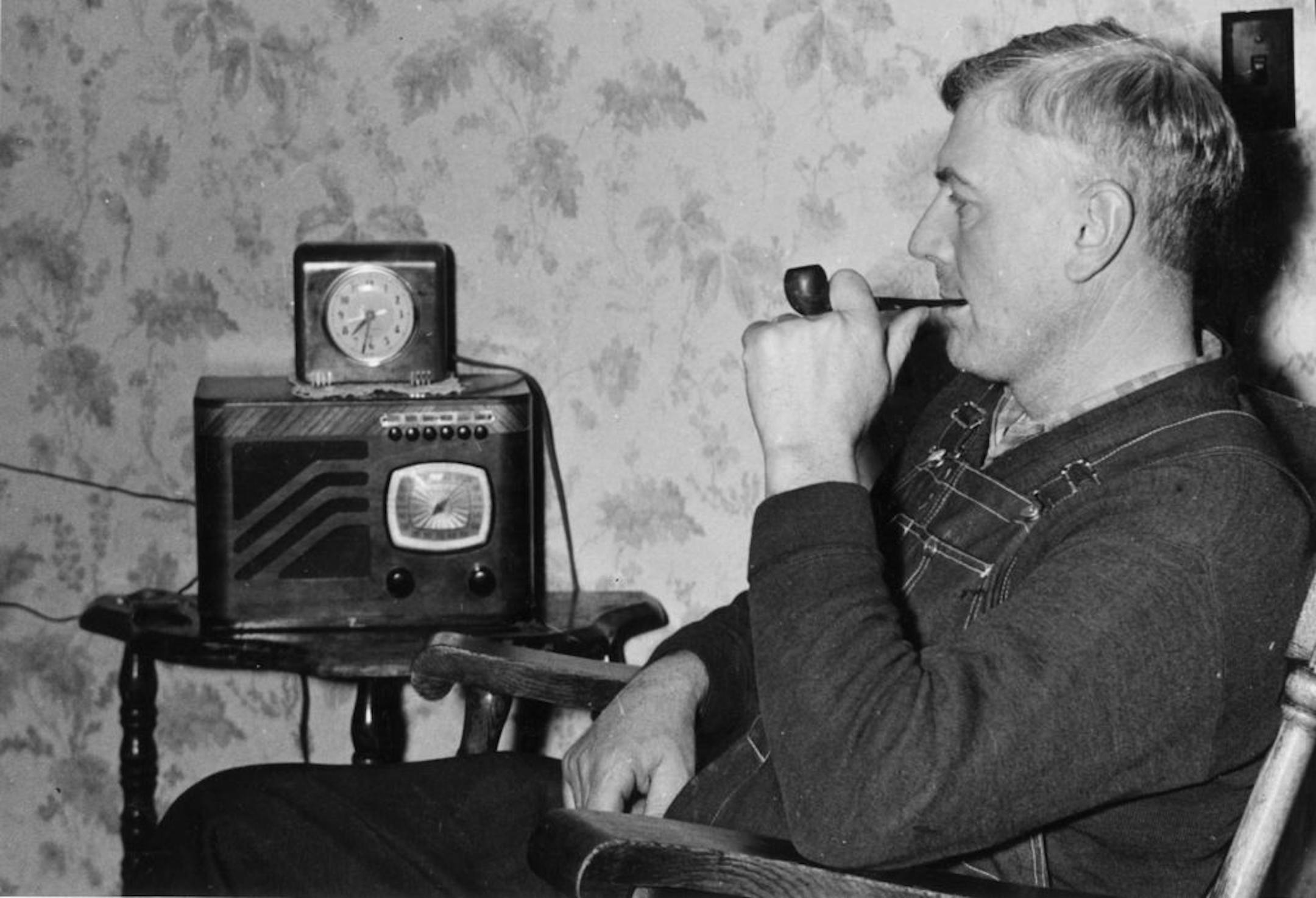
Before this year is out, I will turn 60 -- a nice round number, if not exactly a ripe old age. It's the sort of milestone, I hope, that might excuse an aspiring codger's ruminating about the times he's lived through.
I promise not to dwell on how much the world has changed for the worse since I was a boy. I'm too concerned just now about how little the world has changed for the better.
I mean that progress in my time sometimes seems to have been surprisingly modest in material things -- in the nuts and bolts and stuff of life, the facts of physical existence that humanity has always wanted to improve upon. Social life, for its part, has changed plenty, in ways both good and bad. But that's the stuff of a different rumination.
In these days of economic discontent, it might shed light on our challenges to at least consider what may at first blush seem improbable -- that we may have passed quietly into a new historical era, an age that has not been marked by the same steady stream of revolutionary, life-changing innovation and scientific breakthroughs the world had known for the better part of two centuries by the time my baby boom generation was born.
It's obviously not that we live in a stagnant time, barren of economic progress and technological marvels. But we boomers were born into a world that truly had been transformed, and then transformed again, within a lifetime or two. The world was 150 years or so into an era in which humanity's very place in the order of nature had seemed to shift. In which economic growth had, you could almost say, been invented.
My lifetime, it seems to me, hasn't kept up that pace. When I was a kid, people drove cars and flew in airplanes, listened to radio and watched television and went out to movies, lighted their homes and powered their toasters and refrigerators with electricity and took antibiotics when they were sick. It wasn't all that different a world.
Without doubt the fabulous Internet, with all its technological servants, is the most admired innovation of our age. But if tomorrow the world awoke to find it had lost both the Internet and the major advances of earlier times -- the internal combustion engine, say, or electricity itself -- would it be our smart phones we would miss the most, or the longest?
The year I graduated from high school (1970, if you must know), a book called "Future Shock" by Alvin Toffler became a sensational best-seller. Toffler's theme was that the modern world's ever-accelerating technological changes were and would remain more than human beings could comfortably adapt to. Something like that may have been true for my generation's parents and grandparents (although they seemed to rather like modern conveniences), because in their lifetimes change surely had been dizzying, with everything from electricity and telephones, to automobiles and airplanes, to radio and television, to plastic and atomic power bursting upon the world.


