

Wildlife researchers at the University of Minnesota are poised to test wild birds and mammals for avian influenza when the animals are found sick or dead in natural landscapes across the state.
The $1.26 million project, awaiting final funding approval from Gov. Tim Walz, seeks to collect 9,000 swabs from a variety animals. The samples would be collected by wildlife professionals across the state and funneled to the U’s special biosecurity lab. The proposal recently received fast-track approval from the Legislative-Citizen Commission on Minnesota Resources (LCCMR). It is a so-called “emerging issues” project that won’t require approval from the Legislature.
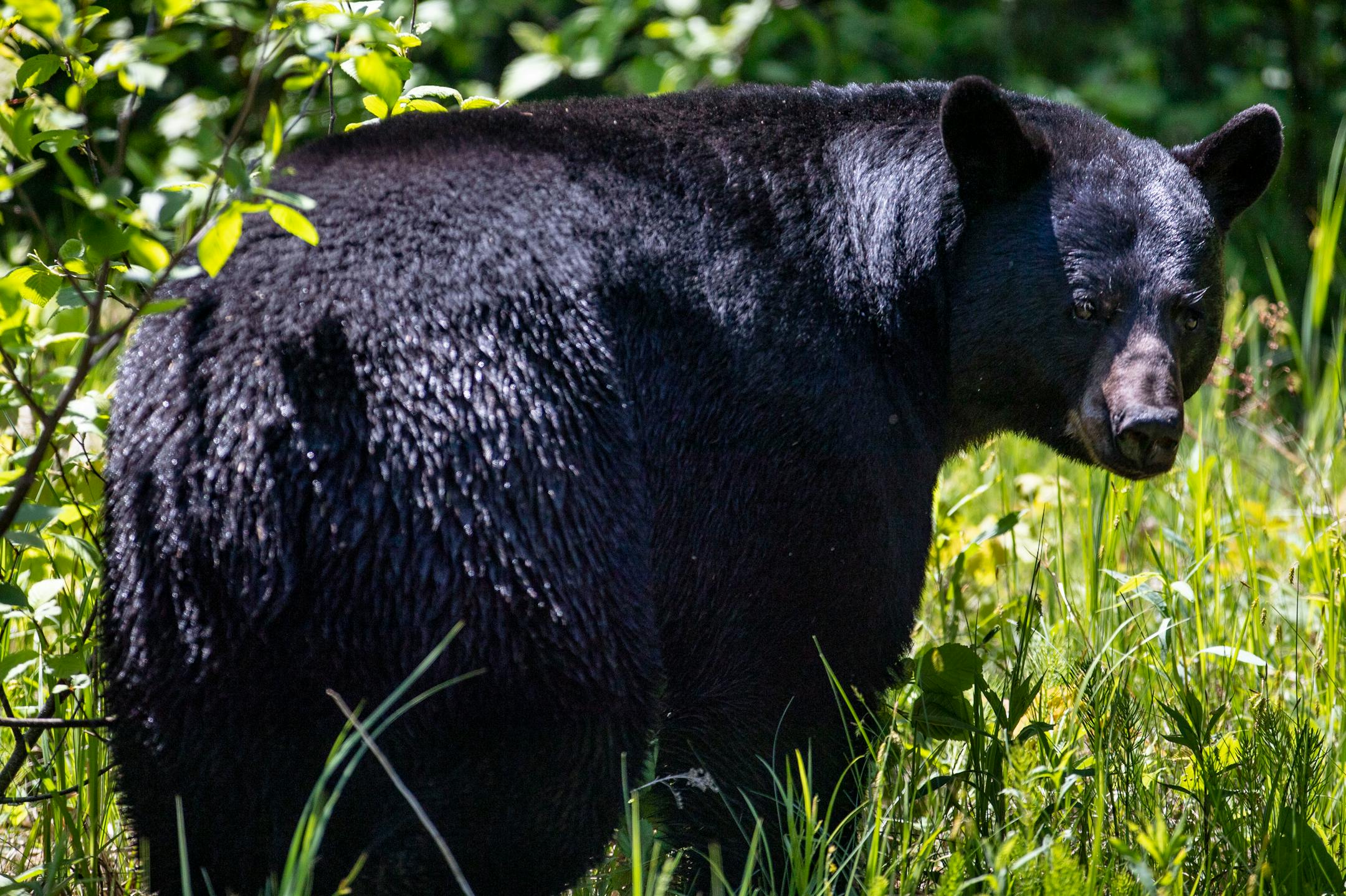
Professor Arno Wuenschmann at the U’s College of Veterinary Medicine said the surveillance is needed to track the spread of the highly pathogenic flu in various species of birds and animals such as bears, bobcats, foxes, skunks, raccoons and deer. In May, the virus was found in a Minnesota red fox kit. Wuenschmann and his university research partner, professor Declan Schroeder, consider the infected fox to likely be the tip of the iceberg.
Not only will the researchers catalog when, where and in what species the virus is found, but they’ll also be looking for mutations of the virus. They will classify the samples according to various genetic strains. Another aspect of the research will study how individual wildlife species may be shedding the virus.
“The time is now to establish a Minnesotan wildlife virus surveillance program so as to be ready for a potential resurgence in cases in Spring 2025,” the professors wrote in their proposal to LCCMR.
Becca Nash, director of the commission, said the proposal was approved in a lopsided vote. As stated by the researchers, avian flu has been studied in cows, poultry and other animals on farms. It has also been studied in waterfowl and in humans. (The virus has been found in humans but it hasn’t been found to transfer from human to human on a large scale.)
But resources have been largely discontinued to scrutinize avian flu in wildlife, the researchers have said. One of the study’s goals will be to understand whether certain wild animals are serving as reservoirs for the virus. The current outbreak has been spreading for more than two years.
“It’s helpful to know which species are infected,” Wuenschmann said. “I’m sure we will find the virus.”


