How Grimm can you get?
Try downright sadistic, in the case of Minnesota Opera's imaginative but occasionally ill-coordinated new production of "Hansel and Gretel," unveiled at the Ordway Center Saturday night.
The composer of this ever-popular work, Engelbert Humperdinck, and his sister, Adelheid Wette, who wrote the libretto, were disturbed by the cruelty of the original story by the Brothers Grimm, and so they softened it, dropping, among other things, the evil stepmother, replacing her with a diligent housewife who could use a day off. The result is a cheerful, family-oriented opera about kidnapping, hunger and cannibalism, for which Humperdinck composed a masterful score with elegant Wagnerian textures and a sophisticated pastoral tone.
Stage directors in recent years, however, have brought back some of the grimness. In an age of violent video games and endless zombie movies, one supposes, why not? The Metropolitan Opera's current production by Richard Jones delves into the work's Freudian implications.
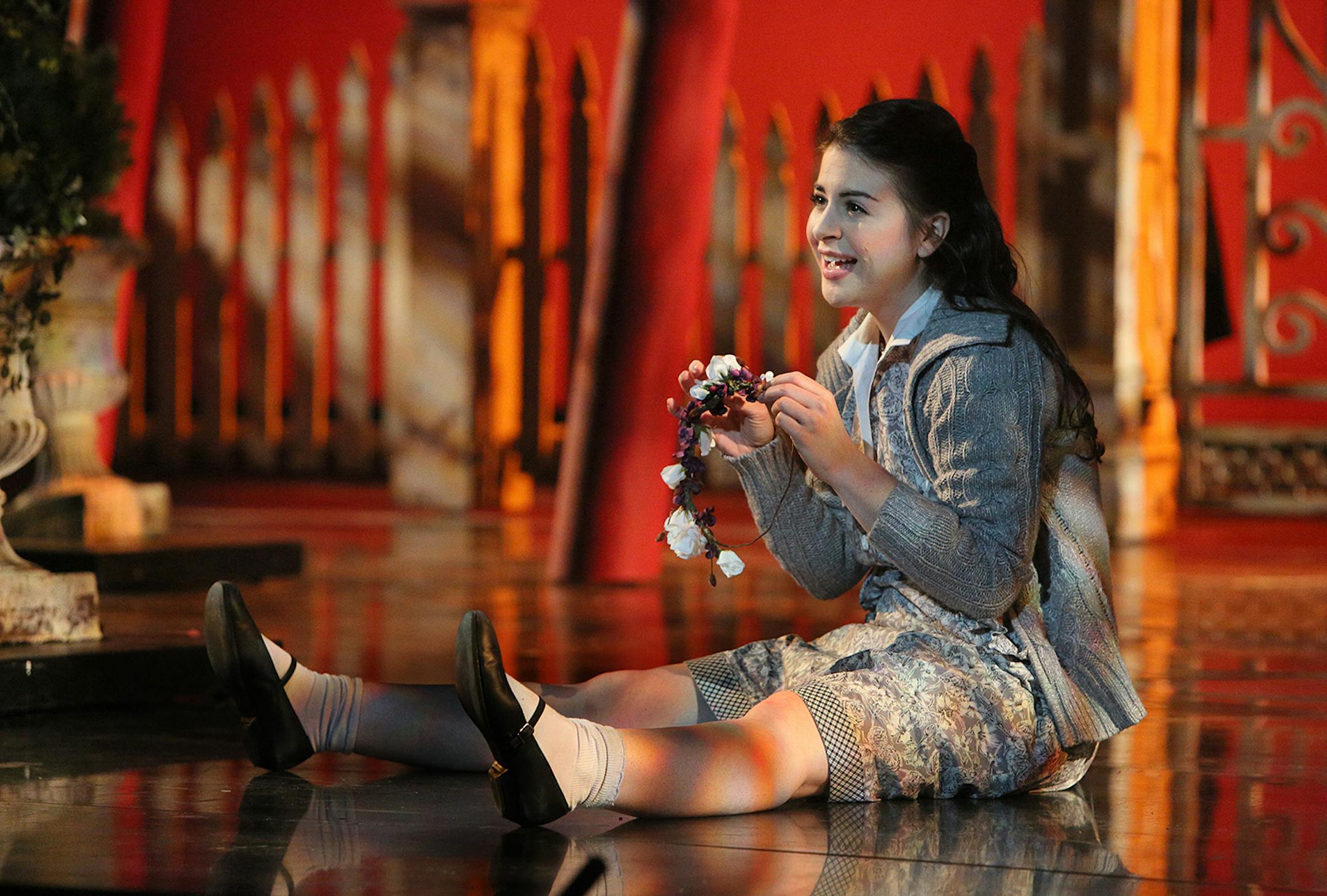
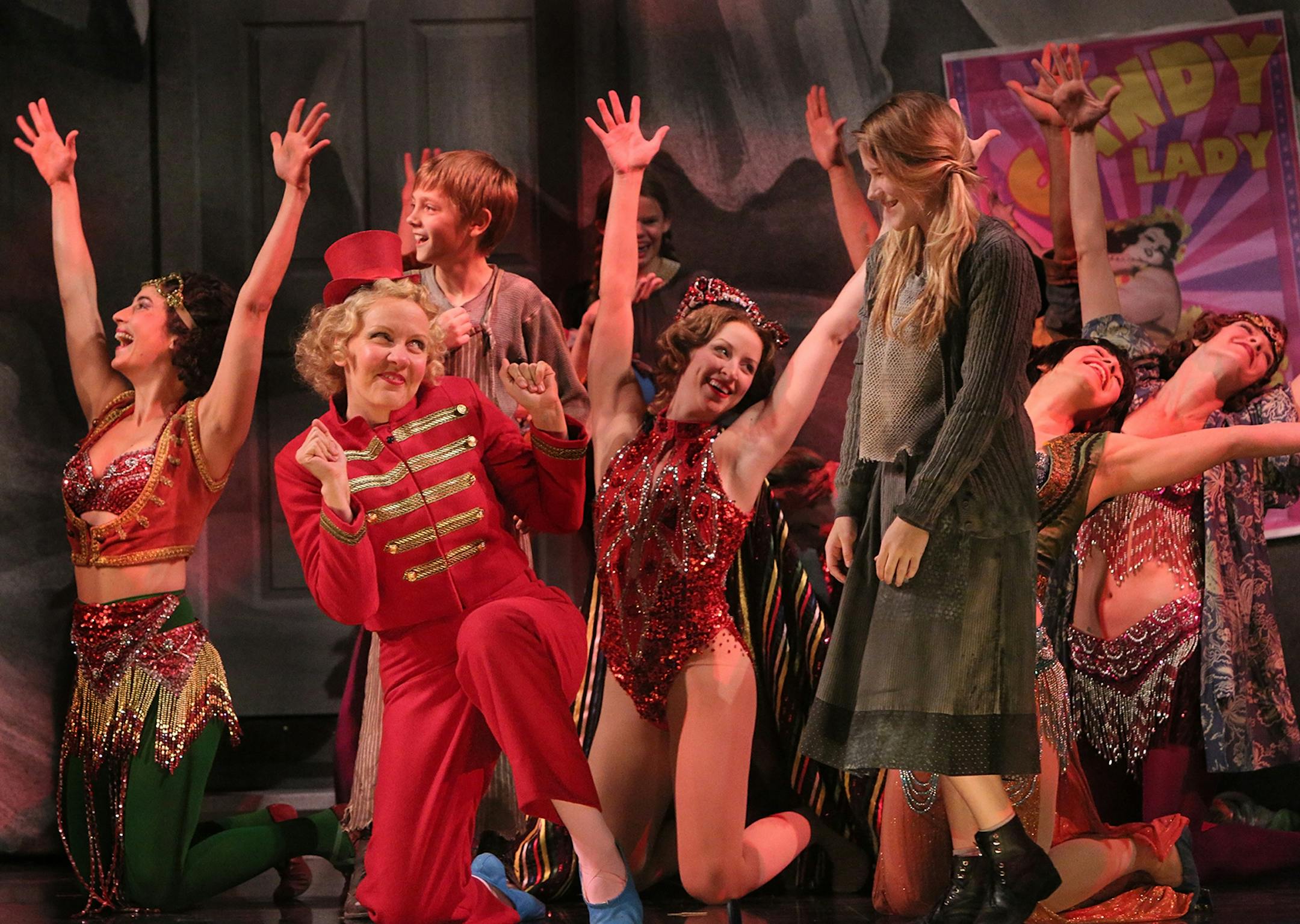
For Minnesota Opera, Doug Varone dances down an even darker alley. He sets the story in an urban area during the Great Depression. The haunted forest becomes a sinister carnival, "Playland," the stage dominated by a colorful carousel, and the Witch is a circus clown, the Candy Lady. Our adorable moppets, Hansel and Gretel, dream not of food and angels but of becoming dancers in movie musicals in the manner of Fred and Ginger, a caricature of whom adorns the proscenium arch. At the climax of the dream, Shirley Temple hands each of them an Oscar statuette.
The Dew Fairy is a showgirl, and the Sandman, accompanied by a mime, engages in an old vaudeville-style Shadow Dance that's quite lovely. On the nastier side, during the Prelude to Act 2, a kid is murdered on the street by the Candy Lady's minions, and the carousel is adorned with dead gingerbread kids hanging upside-down and waiting to be eaten.
This is an eyeful and fun to watch, most of the time, and David Zinn's sets and costumes are consistently clever. But some of these ideas are a bad fit for Humperdinck's late-19th-century music. The lithe movie-musical dancers in the dream sequence — the excellent Zenon Dance Company — move as if to a syncopated tune like Irving Berlin's "Cheek To Cheek," when that's not at all what we're hearing. Varone made changes in the libretto, so why not the music?
The singing, though, is first-rate. Stephanie Lauricella (Hansel) and Angela Mortellaro (Gretel) wisely — and convincingly — play their roles more as young adolescents than as 10-year-olds. Both are fresh-voiced and superbly musical, their voices nicely blended in duets.