4:30
4:30For more than 600 years an Austrian family lived a fairy-tale life, ruling much of Europe from a gilded palace in Vienna. Through strategic marriages and successful wars, they dominated European politics, defeated the Ottoman Turks, plundered the New World, championed Catholicism, bought the best art and hired top talent to stage court pageants, paint their portraits, produce propaganda and deck the family in velvet, ermine and gold.
Then, shattered by World War I, the Austrian empire collapsed. In 1918 the last emperor was exiled.
Their story is told in "The Habsburgs: Rarely Seen Masterpieces From Europe's Greatest Dynasty," debuting this weekend at the Minneapolis Institute of Arts (MIA). It runs Feb. 15-May 10 before traveling to Houston's Museum of Fine Arts and Atlanta's High Museum of Art.
"The Habsburgs are one of the longest-serving dynasties, ruled one of the largest empires in history and had a huge impact on the art and culture of so many different countries," said MIA director Kaywin Feldman.
She declined to say what the exhibit cost, but funding came from $6.5 million that the museum raised for special exhibits and events marking its 2015 centennial. The U.S. government provided indemnification to help offset the cost of insuring the Austrian treasures on tour.
"It is the most expensive show in my tenure here," said Feldman, the museum's director since 2008.
Art new to the United States
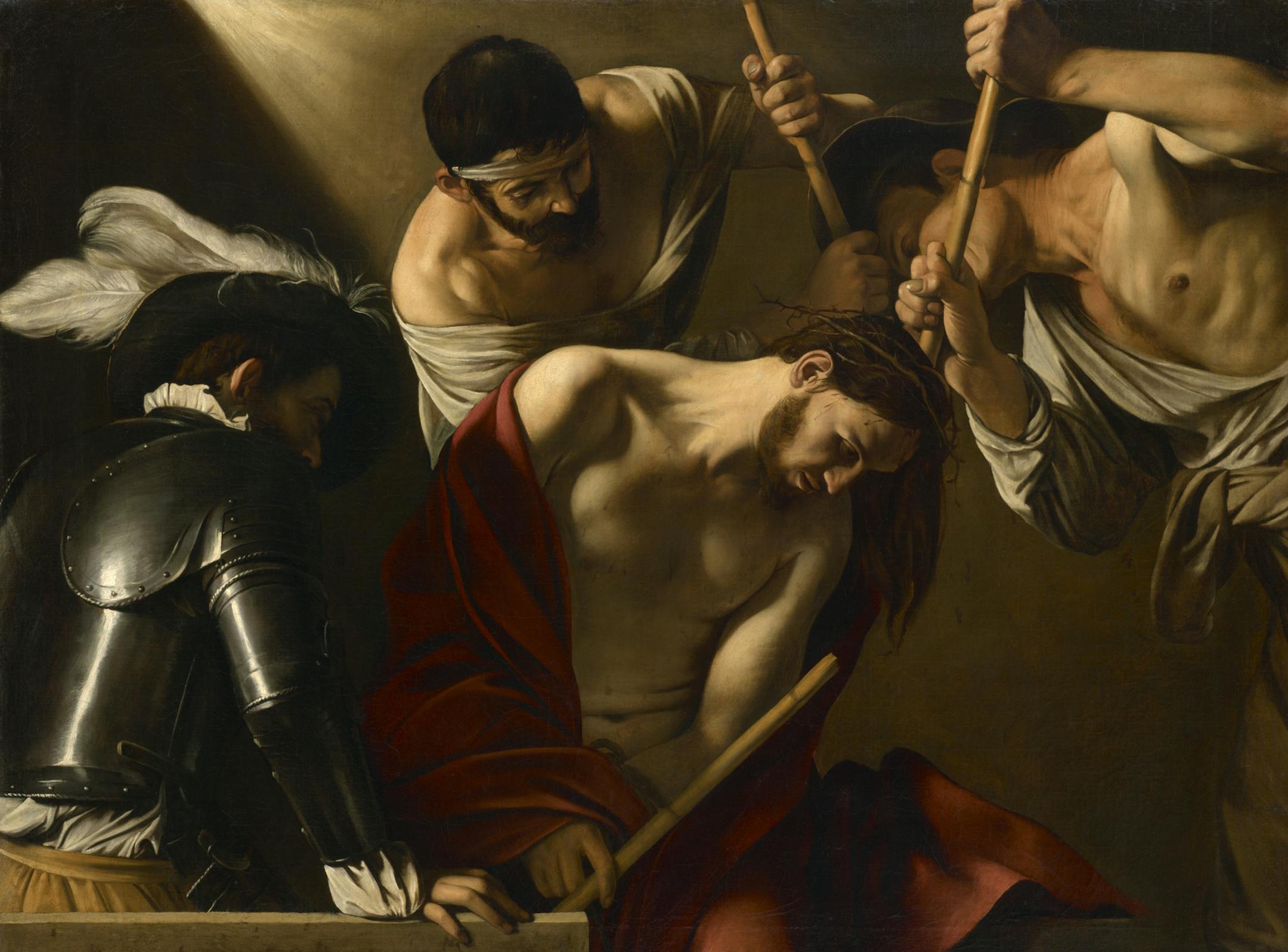
"Habsburgs" is a cornucopia of spectacular art and royal regalia, much of it never shown in the United States previously. It features 93 items on loan from Vienna's Kunsthistoriches (Art and History) Museum. Besides a pair of armored knights jousting on full-sized horse mannequins, it includes a gilded 18th-century carriage and an ornately carved sleigh pulled by horses in harnesses decorated with ostrich-feather crests, golden bells and embroidered velvet.
"We are cheating there because no Habsburg would have been caught dead in a carriage pulled by a mere two horses," Feldman said. "They would have had at least four or six, but we couldn't fit them into the galleries."