
Habitat to aid migrating ducks inevitably will benefit some hunters over others

Some waterfowlers cry foul, but expanding flooded fields to offset oil threat is best for the birds — and for waterfowling.

July 8, 2010 at 5:18AM
(The Minnesota Star Tribune)
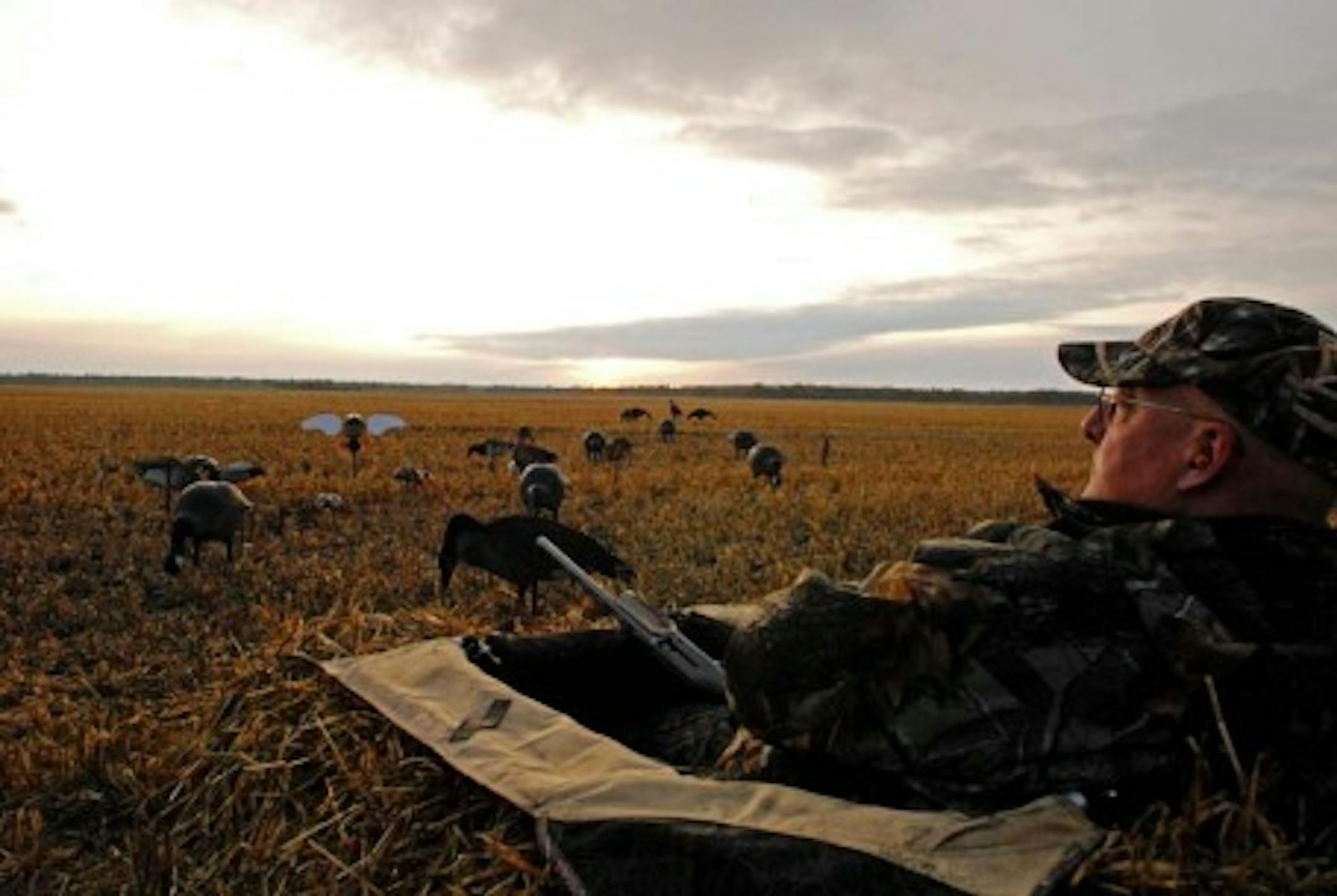
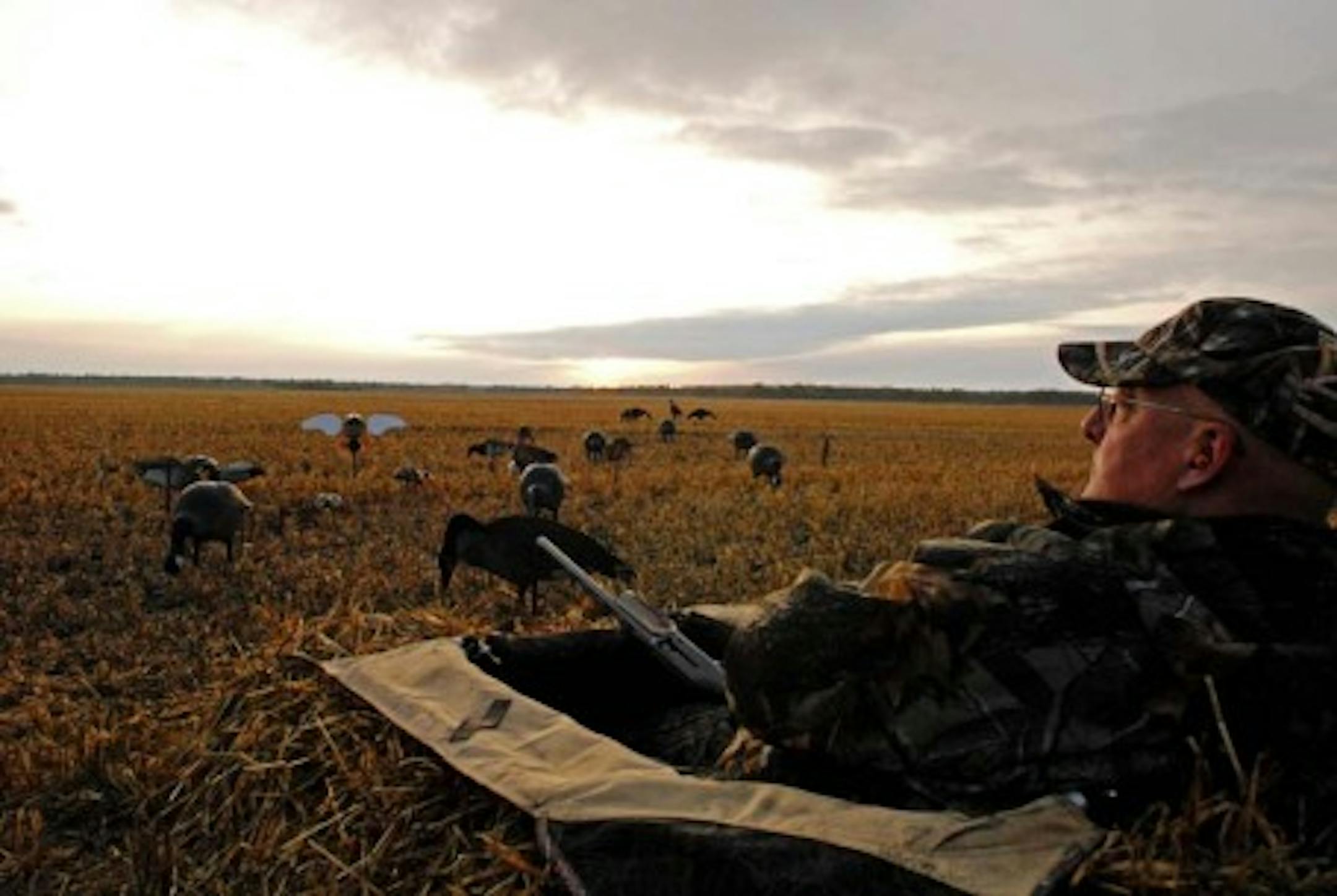
John Weyrauch lies in wait for the next flock of incoming mallards and Canada geese. When he spots the birds, he will dissolve into the blind, which is camouflage in color and covered with barley straw, making him all but invisible.
(Dennis Anderson/The Minnesota Star Tribune)

The Natural Resources Conservation Service's announcement that it will spend at least $20 million to create new resting and feeding areas for ducks and other birds in eight Southern states is welcome news.

The unprecedented effort is intended to — with some luck — partially, at least, offset the pending threat to migrating waterfowl and other birds posed by the oil blowout in the Gulf of Mexico.

Much of the new land will be flooded rice fields. Some also will be abandoned catfish ponds. The upshot is the USDA will prioritize the best spots available in the most strategic counties of the eight states, and pay farmers and landowners who own the lands to provide shallow water cover where otherwise there would be none this late summer and fall.

All of which is good. Contracts with the landowners will in most cases be multi-year — up to five years — and ducks particularly can use all the help they can get, wherever they can get it.

And who knows? Perhaps some of this temporary habitat will become permanent.

Of course, already some hunters up and down the Mississippi Flyway are crying foul. They say the newly flooded, and taxpayer funded, duck-friendly areas will be hunted by the landowners only, with all others kept out.

Perhaps some landowners might even lease the areas to other hunters, thus double-dipping, gaining from the government on one hand and waterfowlers in need of hunting spots on the other.

Well, OK, so be it. That's the price we pay if we want habitat on the ground.

ADVERTISEMENT

In fact, it's always been that way. When Ducks Unlimited (which is also establishing new habitat in the Gulf region) or Pheasants Forever or the state or federal government enters into habitat or conservation agreements with landowners, they usually don't restrict use of the property, or access to it.

How could they? No one — or very few — would sign up for such a program.

So, some people will get a better deal than others, regarding hunting access to the new government-funded habitat development plan.

So it goes.

The hope is that regardless of who individually benefits, ducks and other waterfowl benefit more.

about the writer

about the writer

Dennis Anderson

Columnist

Outdoors columnist Dennis Anderson joined the Star Tribune in 1993 after serving in the same position at the St. Paul Pioneer Press for 13 years. His column topics vary widely, and include canoeing, fishing, hunting, adventure travel and conservation of the environment.

See Moreicon

More from Sports

See More
Lakeville is moving its Area Learning Center, designed to help students who struggle academically or socially in high school, to a space within each high school in 2017 in an effort to save money and provide a variety of classes for students. Above: Lakeville South High School.
The Minnesota Star Tribune

With an investigation ongoing and the girls team's season over, Kurt Weber steps in to try to lead the boys team back to the state tournament.

card image
card image