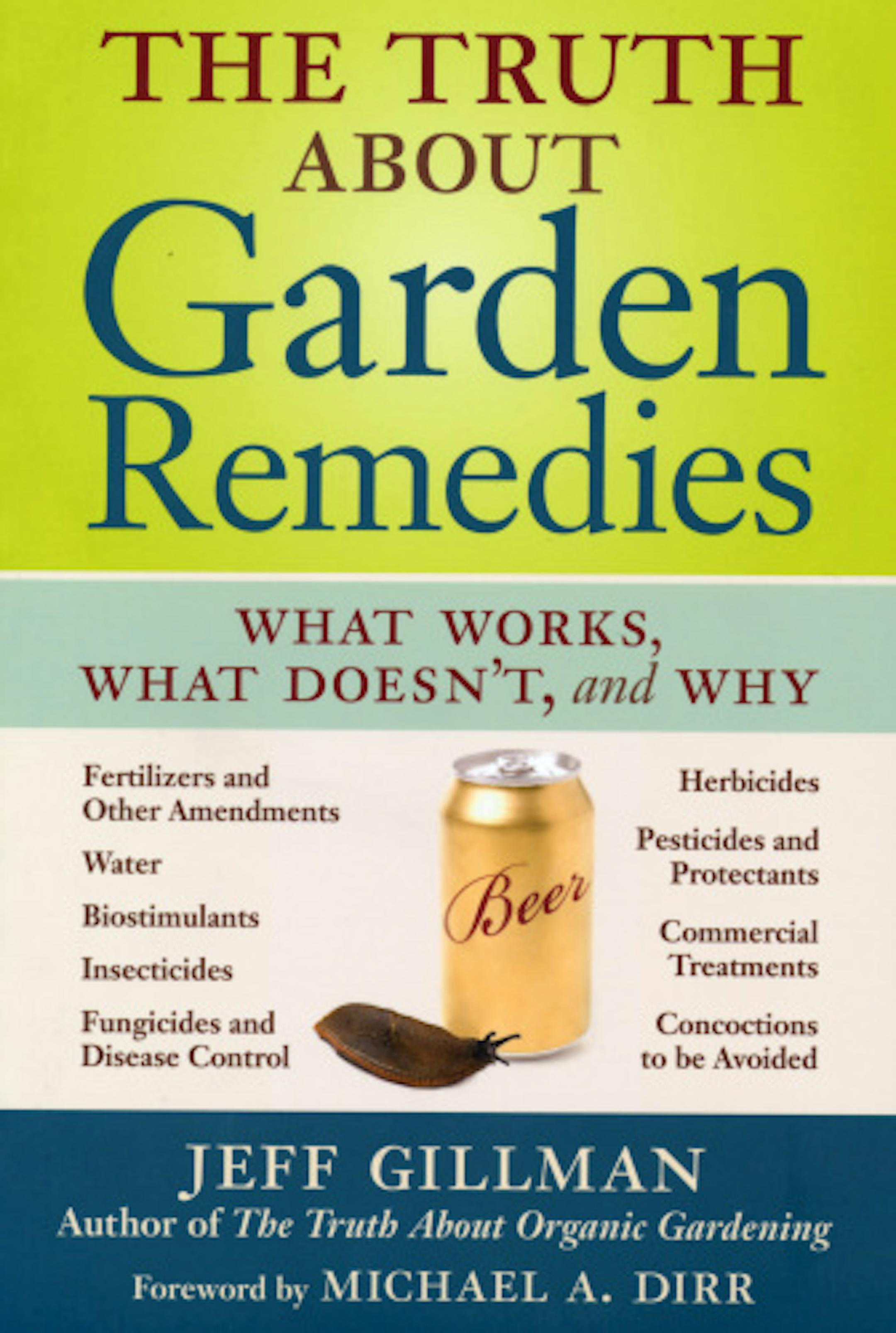
Jeff Gillman, an associate horticulture professor at the University of Minnesota, caused a stir when he debunked some long-held, much-loved garden myths in his 2006 book, "The Truth About Garden Remedies."
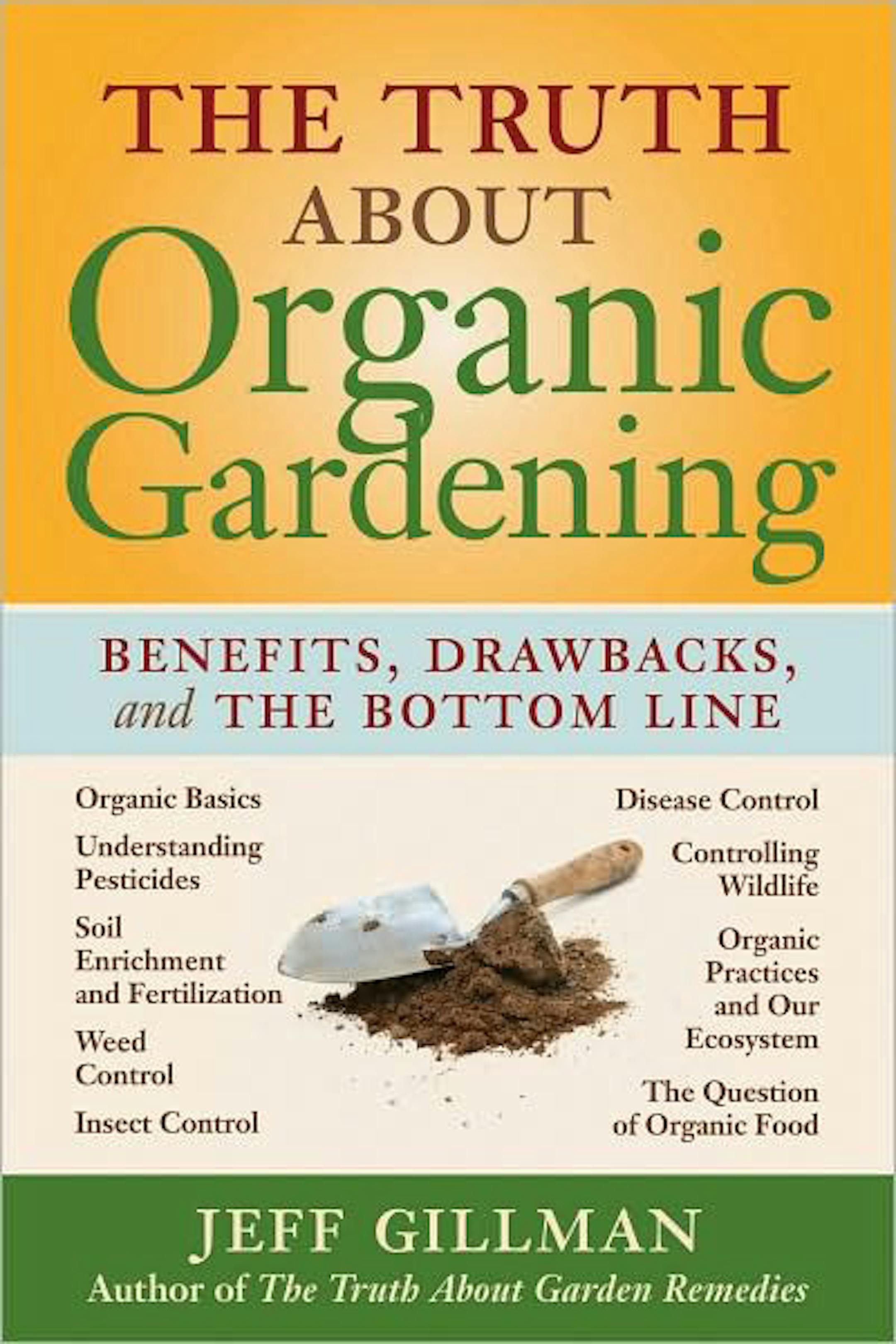
In his new book, "The Truth About Organic Gardening," Gillman takes a hard look at some products and practices we consider organic -- from companion planting (which he considers a smart practice) to using manure to amend the soil.
Q Why did you write this book?
A I was personally concerned about some of the pesticides being used by back-yard gardeners. One of the most dangerous pesticides -- rotenone -- is organic.
Q If it's potentially unsafe, how could it be organic?
A Organic doesn't mean what people think it does. It doesn't mean pure or even pesticide-free. Hey, rattlesnake venom is organic. That doesn't mean it's safe to use.
Q Did you uncover other organic practices or products that concern you?
A Compost tea. Depending on how it's made, it could contain dangerous levels of E. coli and salmonella. The same is true for uncomposted manure. Bt [Bacillus thuringiensis] is great. I won't say a bad thing about it. But is neem safe? Well, I would say it's not worry-free.