

When I first moved to Minnesota, I mourned the loss of the long, hot growing seasons I'd come to love in the South. Up here, it seems like by the time the tomatoes finally turn red, it's only a matter of weeks before leaves turn the same color.
Even though I've been here for years, I still don't like the cool, slow lead-up to summer, but I've learned that root vegetables do.
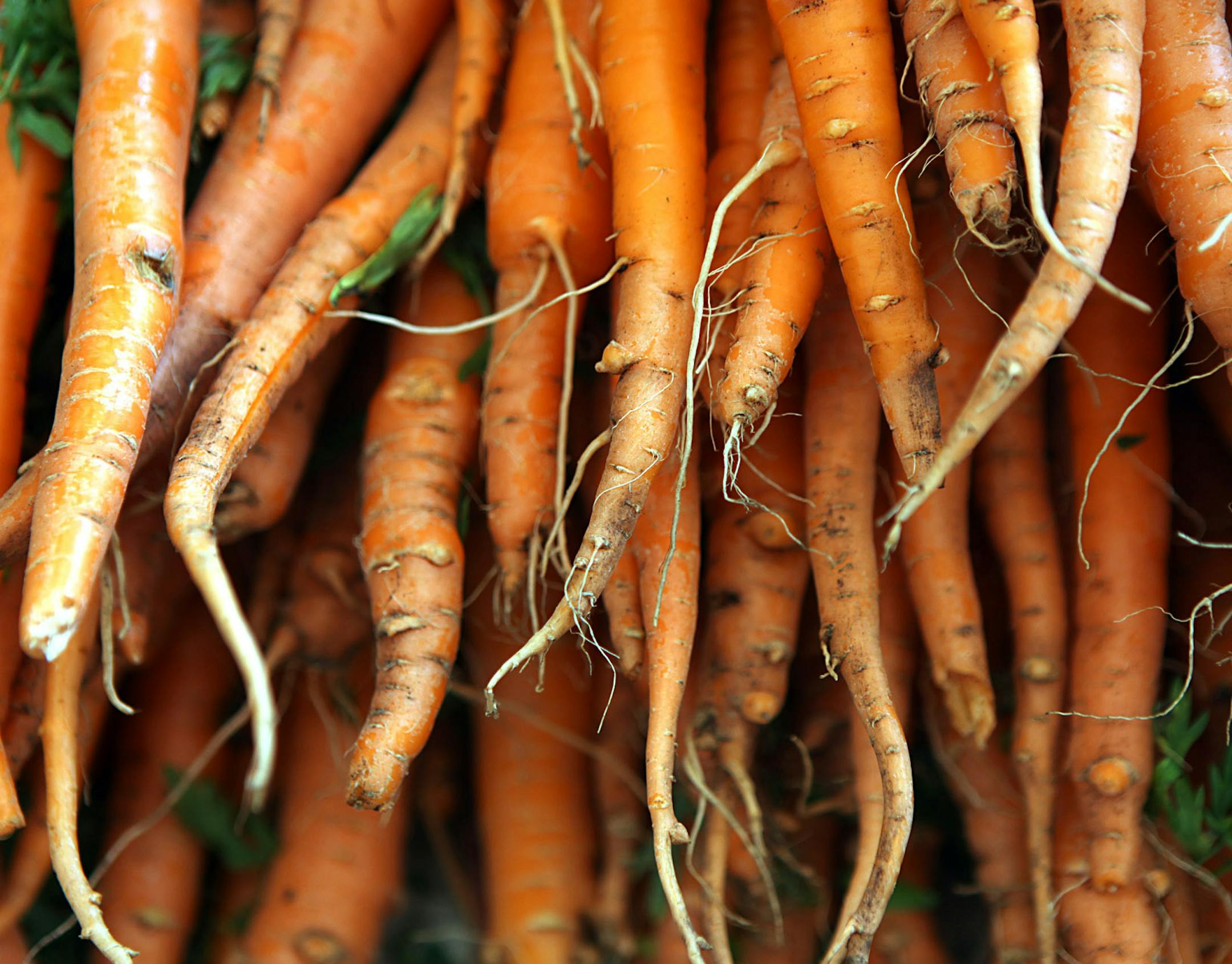
Radishes, beets, carrots and turnips are far more useful and versatile than lots of my other garden crops. Roasted, raw, steamed or puréed, I've come to consider them subterranean treats. They offer a prolonged harvest with fewer problems than many glamorous above-ground veggies. Better yet, you can start growing them as early as mid-April.
Here's what you need to know:
Start with good soil
If you want to have success with root vegetables, start from the ground up. They grow best in deep, loose soil that allows for their expanding edible roots. Well-amended and well-drained soil provides the right nutrients and moisture. Compacted or rocky soil will cause stunted or misshapen veggies. Bifurcated carrots (the ones that resemble a pair of human legs) make for funny Facebook posts, but not good eating.
If you have poor soil, raised beds may be the solution. As long as they're at least 10 inches deep, raised beds are perfect for growing root vegetables because you can create the soil conditions you want. And although it's not my first choice, you can even grow some root veggies in large containers, if you're consistent with water.
Sow and thin
Root veggies are inexpensive to grow, partly because you sow them directly from seed rather than pricier transplants. Sow according to packet instructions. Once they germinate, you'll have to thin them to provide room for root development. I used to hate this painful though necessary process, but I learned there's truth in the old saying "No man should hoe his own turnips." Now I look forward to thinning the tiny seedlings, because I use them as attractive, nutritious microgreens for topping salads and other dishes.
Water, weed and feed
Like all edibles, root veggies need deep, consistent watering (at least an inch a week) to thrive. Frequent shallow watering won't do. Faster-draining sandy soils and raised beds may require even more water.


