

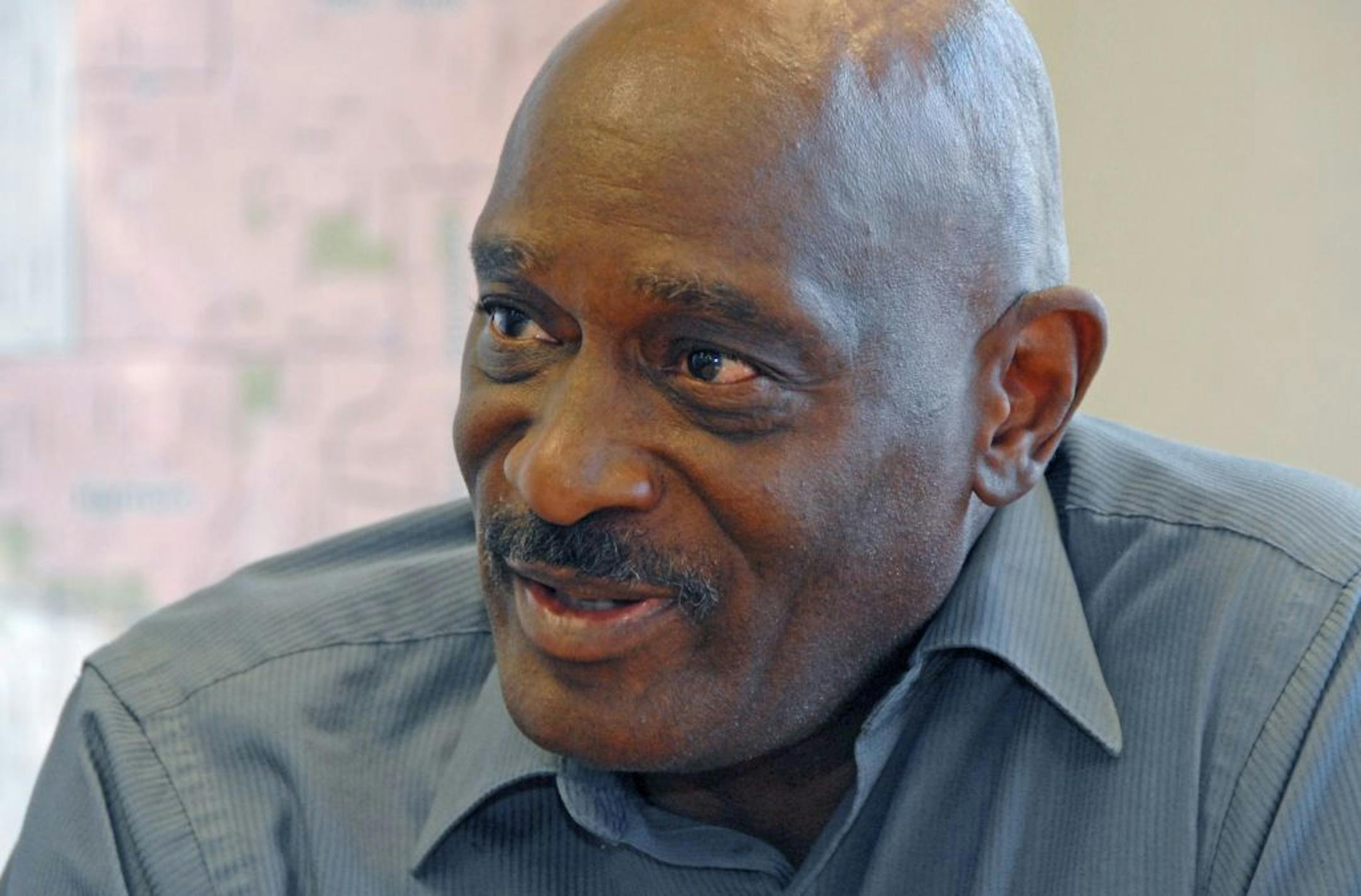
Large, enthusiastic crowds fill the room when Grover Jones holds one of his orientations on starting your own business. Plenty of people are eager to become entrepreneurs. But after they've heard what Jones has to say, most decide against it.That's fine with Jones, executive director of Northside Economic Opportunity Network (NEON), though his organization was founded to develop small businesses in North Minneapolis.
"If I can talk you out of it, then you probably shouldn't have been in there," said Jones, with typically cheerful directness. "A lot of people want to open a restaurant because they know how to cook. Cooking's about 5 percent of running a restaurant."
Would-be entrepreneurs who aren't discouraged by the orientation can take further training through NEON. If they decide to go ahead with their idea, NEON helps them develop a business plan, secure financing, find pro-bono legal help. Once the business is open, NEON offers continuing technical assistance and support.
A group of community development organizations founded NEON in 2006, noting how few small-business loans in the metro area went to North Minneapolis, and hired Jones to direct it. The organization has grown from there. The first year, NEON presented two classes on running a business -- last year, seven. The staff has grown proportionately, from one full-time employee to three employees and an intern.
"NEON has mirrored a lot of what was going on in the business community," Jones said. "The first three or four years, we struggled to keep our doors open."
People often underestimate the challenge involved in running a business, Jones said. In North Minneapolis, hard hit by the recession as well as a destructive 2011 tornado, many don't have the credit or collateral to get a business off the ground. To Jones, discouraging people who aren't prepared is as important a part of his job as helping those who are.
"A lot of people have good ideas; they just don't have the banking criteria," he said.
A business failure can be devastating. To illustrate, Jones tells of a woman who wanted to open a coffee shop with $100,000 from her retirement savings and equity in her house. But problems cropped up with her chosen location: poor visibility, limited parking, and more remodeling than she'd anticipated. Eventually, the woman realized she would need another $100,000 to get off the ground, but by then "the hole was just too deep," Jones said. The business fizzled, along with the woman's nest egg.


