

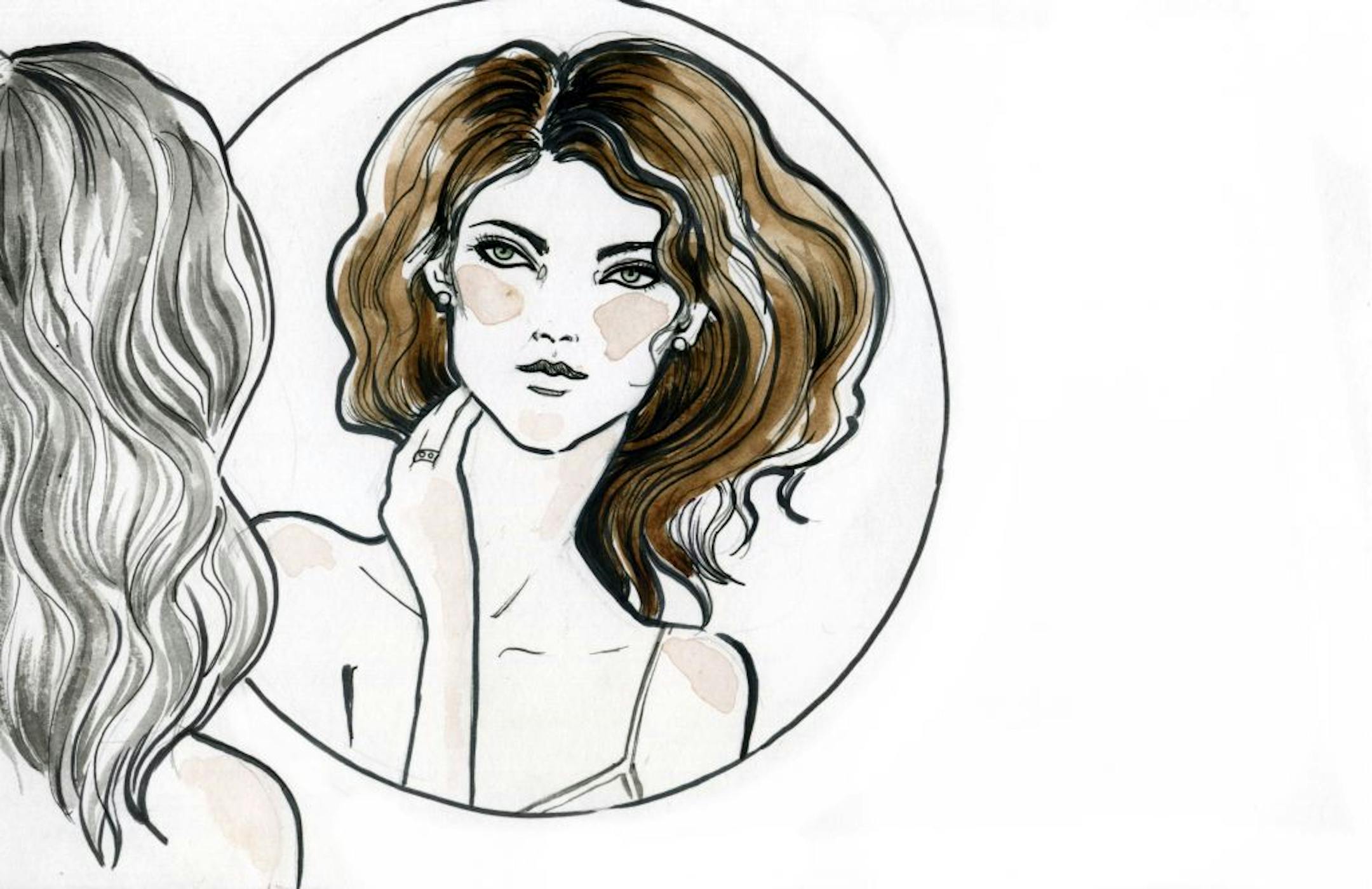
To that immortal ad slogan, "Does she ... or doesn't she?," the answer most likely is, "She does ... until she doesn't."
The stealthy behavior in question? Coloring your hair -- a process celebrated for letting women explore the presumed (and, alas, documented) benefits of keeping the gray at bay.
Being thought younger than your years may be helpful in the workplace, in your social circle -- or in your head.
News flash: When boomers began graying, hair coloring rates soared, accounting for at least half of salon revenues in the United States. Still, Mother Nature cannot forever be denied. One rule of thumb says that 50 percent of women's hair is 50 percent gray by age 50.
The issue then becomes how and when to scale back on the Light Chestnut Brown. Do you consult your spouse? What about friends irked by your gray, either seeing it as you throwing in the towel or, conversely, as smugly proclaiming that you're done with faking it -- that you're a natural woman. Should you start keeping a paper trail at work, just in case?
Camille Sypura, 42, began dyeing her hair about two years ago when she and her husband were trying to adopt a child. "I asked our case worker if I should color my hair and she said, 'If I were you, I would,'" said Sypura, who lives in Coon Rapids. So she did, until deciding last August that the upkeep was spendy, kind of a hassle and not fooling anybody.
"Coloring my hair doesn't make me look any younger; it just makes me look like I have my hair colored," she said. Not that Sypura surrendered to the actuarial tables. "I would rather spend my money on microdermabrasion or a Pilates class," she said. Actually, she's still spending money at the salon, taking her stylist's advice to use a rinse through the roots-growing-out phase. "But I'm looking forward to the end of this because I'm kind of proud of my gray."
Silver foxes unite


