

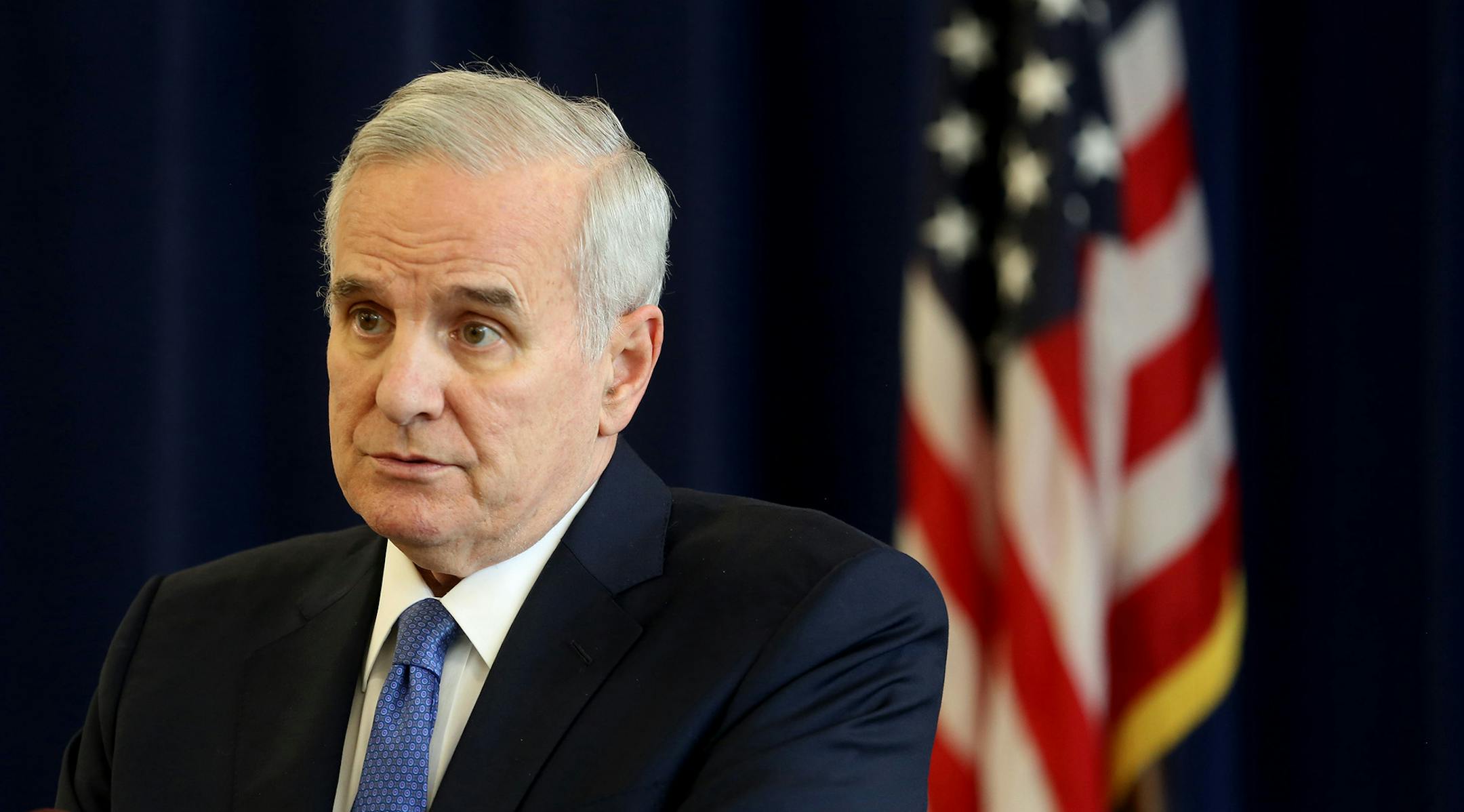
Gov. Mark Dayton showed a surprisingly fierce environmental side on Tuesday when he defied Republicans by creating a citizens' board to advise the state on pollution issues, challenged citizens to demand cleaner water from farmers and acknowledged the wrenching decisions he'll have to make on Minnesota's first copper-nickel mine.
Dayton's remarks came at the Minnesota Environmental Partnership's annual meeting, which usually is closed to reporters. But he asked that his talk to the umbrella lobbying group for the state's leading environmental organizations be open to reporters, and he used the opportunity to announce the creation of a citizens panel to advise the Minnesota Pollution Control Agency (MPCA), replacing a similar one that the Legislature abolished this year after lobbying from agricultural and other industries.
The new board will not have authority over the agency, as the last one did. But MPCA Commissioner John Linc Stine said that as chairman of the new board, he would consider the board's views before making final decisions on such key issues as permits, environmental reviews and exemptions to pollution limits.
Dayton signed a bill that eliminated the MPCA's Citizens' Board, one element in a broader and contentious environmental bill that dragged the Legislature into a special session last spring. But he expressed misgivings at the time, and said he would work to restore it.
On Tuesday, he said Republicans viewed the legislation as a trophy they could take back to supporters who are "extreme ideologues" and cited it as an example of how they were dismantling government.
"It's been in place for 50 years," Dayton said at a news conference after his talk. "They stripped it away and refused to be reasonable about it."
Rep. Denny McNamara, R-Hastings, who chairs the House Environment and Natural Resources Policy and Finance Committee and was instrumental in the push to end the Citizens' Board, said he was blindsided by Dayton's move.
"House Republicans are really proud of the bipartisan work we did with the bill, and the governor signed a couple of months ago, that speeded up the permitting process and removed the Citizens' Board absolute permitting authority, so we're kind of surprised by today's development," he said.


