

In the city and some first-ring suburbs, the lots can be small, the sidewalks plentiful and the soil a mixture of what looks like crushed bricks, rocks and clay. Add limited sunlight (because of nearby buildings, densely packed houses or mature trees) and you have a tree's worst nightmare.
Not enough room to grow, poor soil and lack of sun are all problems that plague urban trees. What can you do? You may be surprised to find out that there are trees that can handle such tough conditions.
Small trees
If space is tight, you want a tree that stays small. Many people opt for crabapples, which can be a fine choice. But there are other small trees that can tolerate less light and perform better in poor soils.
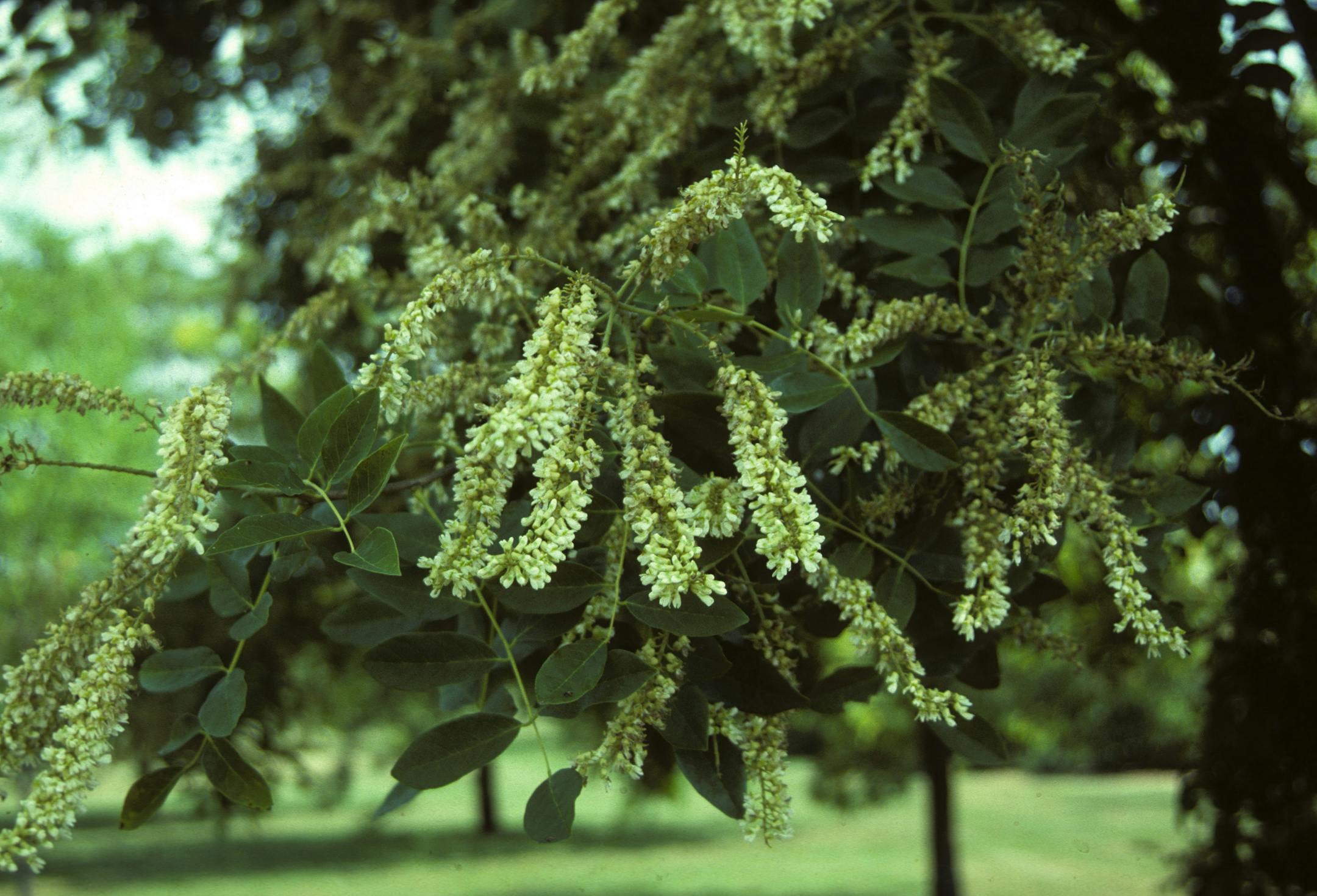
One is the little known Amur maackia. Unlike a crabapple, this tree isn't messy. After a few years, it can be a real showstopper with its silvery spring foliage and beautiful white flowers. And it rarely gets taller than about 25 feet.
Another small tree that fares well in urban environments is hawthorn. As its name suggests, it does have thorns, so it's not particularly child-friendly. But it's quite beautiful and usually tops out at about 25 feet. (Be sure to select a variety that's resistant to the many diseases that can plague this tree.)
Pagoda dogwood, a beautiful shrubby tree, and ironwood (aka hophornbeam) also fare well in relatively poor conditions. These lesser-known trees rarely grow taller than 30 feet and have lustrous leaves and interesting bark. (Because they're somewhat susceptible to drought, they do a little better in clay soils than sandy ones.)
Midsized trees


