

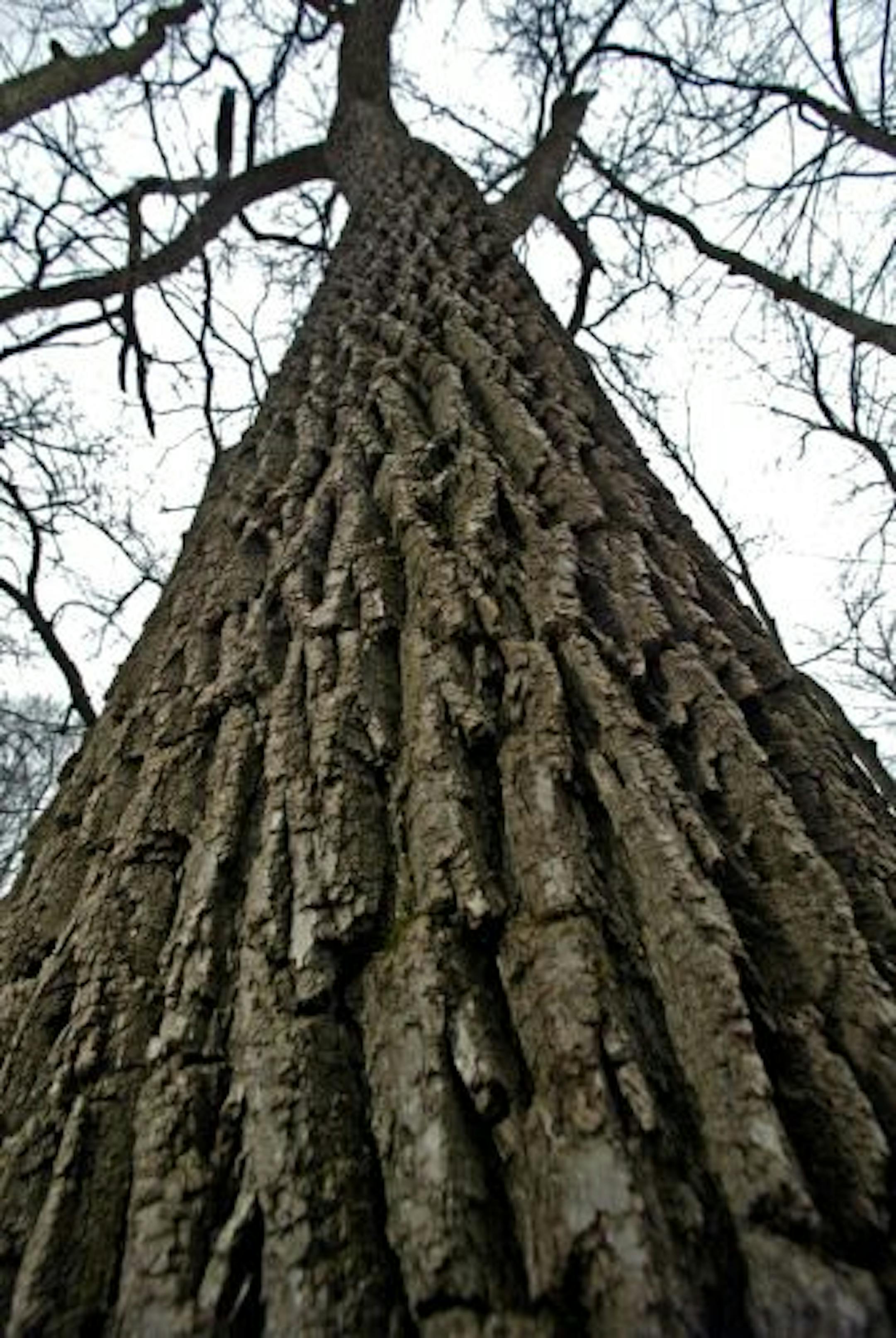
Q We bought a home with black walnut trees in the yard. They're lovely trees, but I have trouble growing things near them. I've heard that black walnuts are poisonous to other plants. Is that true? Which part is poisonous -- the wood, leaves or roots? Are there any plants that will grow close to them?
A Unfortunately, all parts of a black walnut tree contain juglone, a substance that's toxic to many other plants. Juglone is exuded into the soil through the roots, which is the primary reason susceptible plants can't be grown near black walnut trees. Smaller amounts of juglone are released into the soil as leaves decay and when rainfall filters through the foliage and down the bark. And because juglone is released as plant parts break down, it's not a good idea to use black walnut leaves or chipped bark as mulch unless you're sure the plants you mulch can tolerate proximity to black walnuts.
However, black walnut trees are native throughout Minnesota's woodlands, so it makes sense that a number of wildflowers grow under them. There also are some annuals and perennials, some spring bulbs and even some vegetables that grow well near black walnuts.
Master gardeners from Renville County compiled a list of plants that will grow under black walnuts, based on their own experience and observations. Their list includes:
Annuals: calendulas, hollyhocks, morning glories, pansies, wax begonias, zinnias.
Perennials: astilbe, beebalm, cinnamon fern, coral bells, daylilies, garden phlox, hosta, lamb's ear, sedum.
Wildflowers: bloodroot, Dutchman's-breeches, jack-in-the-pulpit, lungwort, spring beauty, violets.
Spring bulbs: crocus, glory of the snow, Siberian squill, snowdrops.


