

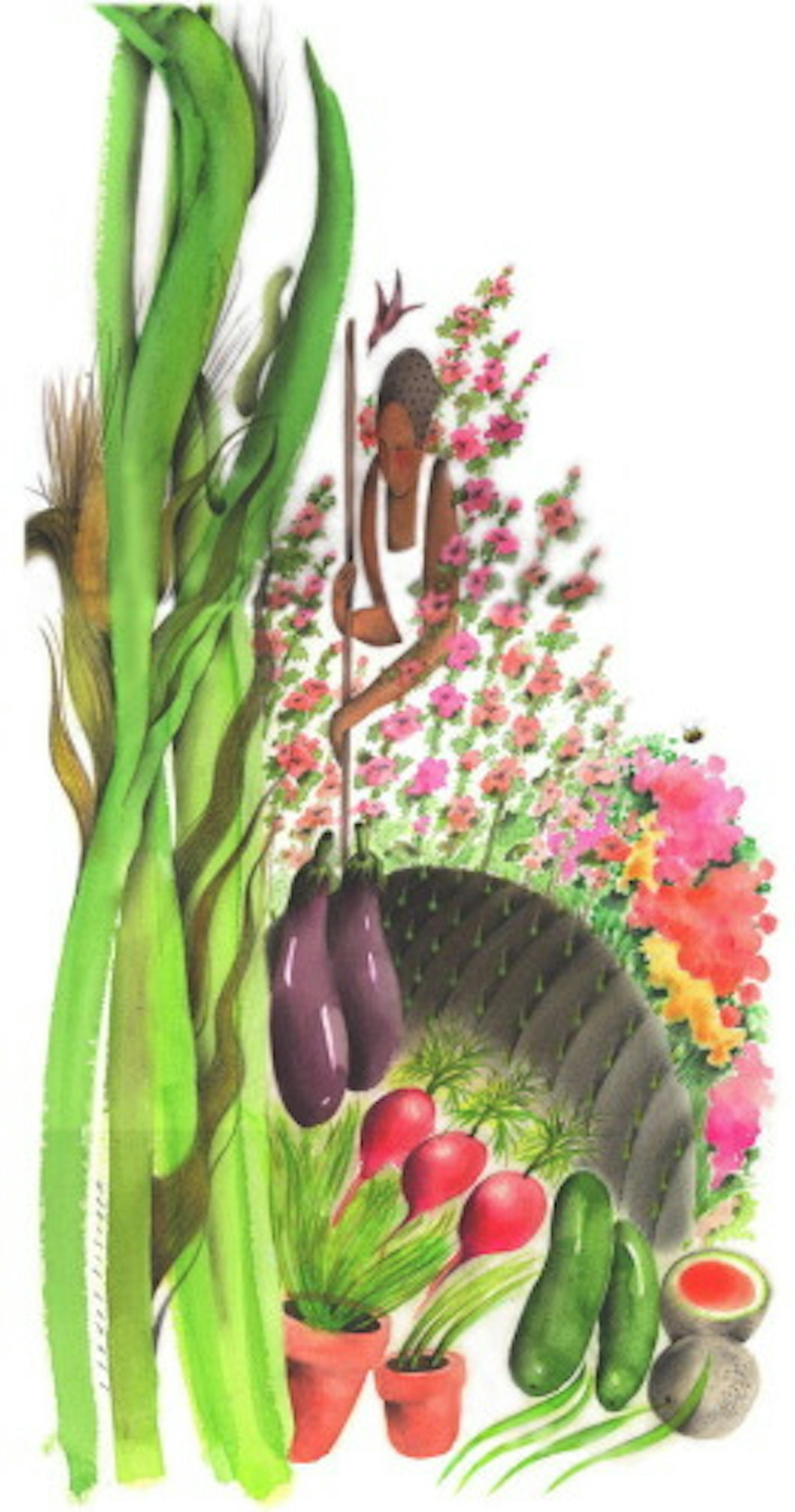
Q I'd like to grow some vegetables this year, but the only sunny space I have is in my flower garden. Can I mix flowers and veggies or do I have to keep them separate?
A You're one of a growing number of gardeners who want to raise food as well as flowers. Because vegetables need a lot of sunlight -- preferably all day -- the idea of combining your flowers and vegetables makes a lot of sense. But there are a couple of things to keep in mind if you're going to mix the two.
• When planning and planting in the spring, be sure to take into account how big your vegetables will be when they mature. Allowing for a little air circulation around plants helps avoid diseases. Consider height as well as width: You don't want taller plants to shade shorter ones. Vegetables that get shaded as the season progresses are slower to bloom and, ultimately, less productive.
• Some vegetables (including tomatoes, peppers and squash) stay in the garden throughout the growing season. Others (including snap beans, carrots and leaf lettuce) can be removed as soon as you're done harvesting them. It's a wise idea to plan for filling empty spaces left in the garden after you remove spent vegetables. At the very least, you'll want to fill the space with mulch to prevent weeds from moving in.
• Think twice before using pesticides in your combo garden. Insecticides you might have used to battle aphids and fungicides that you used to combat powdery mildew may not be OK to use on edible plants. Read the labels carefully.
Preventing aster yellows Q Last summer, some of my coneflowers got aster yellows. Many of the flowers were distorted and greenish, so I dug them out. But I really like coneflowers and I'd like to plant them again in the spring. Can I plant new ones in the same place where I removed the diseased plants?
A You can try, but there's no guarantee that the new plants won't become infected. That's because aster yellows is introduced and spread by leafhoppers. These insects spread the disease-causing phytoplasma (bacteria-like organisms) from plant to plant as they feed.
You did the right thing by getting rid of the diseased plants. Make sure that you've dug out and destroyed all remnants of the infected plants before introducing new ones to the same location. You'll also need to be strict about controlling weeds in your garden. A number of weeds can also harbor the phytoplasma.


