It was the original hissy fit. The tail started to slide into the crevice but Mohammad was too quick, manipulating his stick under a scaly coil and flicking the furious serpent back onto the pebbles. The encounter reminded Mohammad of a story that had been making the rounds in the valley, of a local man who died after stepping on just such a snake last year. He gave a fatalistic shrug then chuckled: "It bit him on the bubbles," and pointed at his crotch.
In some respects, it is a wonder why anyone would want to live hereabouts at all. Dry and barren for much of the year, bubble-biting snakes -- rural life in central Jordan certainly has its downsides. Yet this is a story about coexistence, for here, humanity has been dealing with natural discomforts for a very long time.
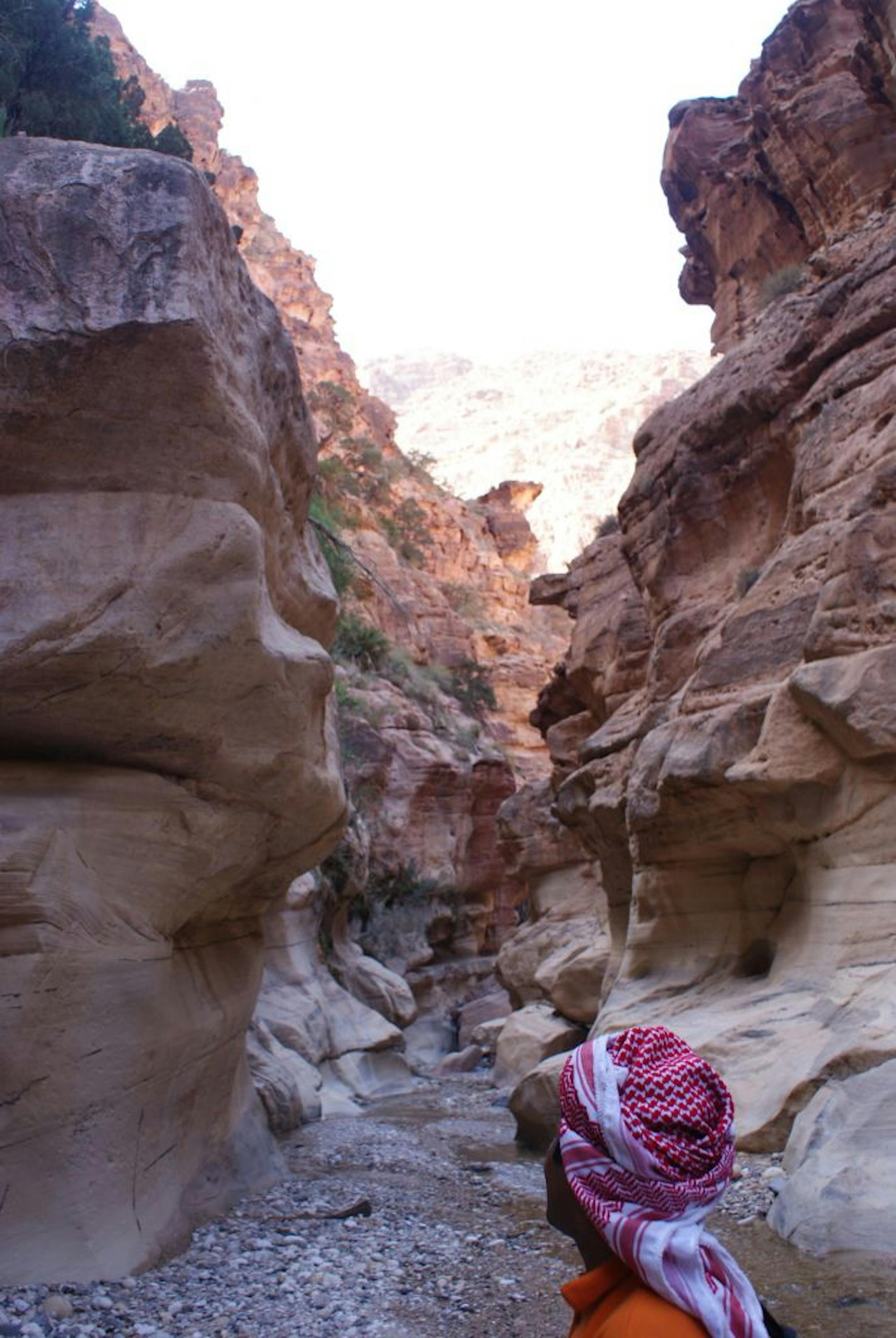
I'd come to explore the Dana Biosphere Reserve: 120 square miles of sharply incised gorges spilling down from the orange-stained escarpments of the Great Rift Valley. While the southern desert lands of Wadi Rum and Wadi Arabah might pull in more visitors, this is Jordan's largest and most diverse protected region: an Aladdin's canyon of plant species that are found nowhere else and cliffs stalked by Nubian ibex and rare Syrian wolves. It is also a place of people who have been planting crops and grazing livestock since the dawn of agriculture.
It was here in 1994 that Jordan's Royal Society for the Conservation of Nature (RSCN) pioneered a scheme that aimed to strike a balance between safeguarding Dana's unique environment and meeting the needs of its inhabitants.
The organization introduced the idea of zoning, cordoning off areas so that they might recover from the ravages of agriculture, while boosting the local economy with subsidized, alternative livelihoods, chiefly ecotourism. The plan proved a great success and has since become the keystone for conservation in all of Jordan's nature reserves, encapsulated by the simple slogan: "Helping nature, helping people."
For the Bedouin tribes that live here, it has brought much-needed economic stability and stemmed the flight of young people to the cities. For the visitor, it means a chance to experience Dana in its vintage form, locals and all.
Wisdom of a local Bedouin
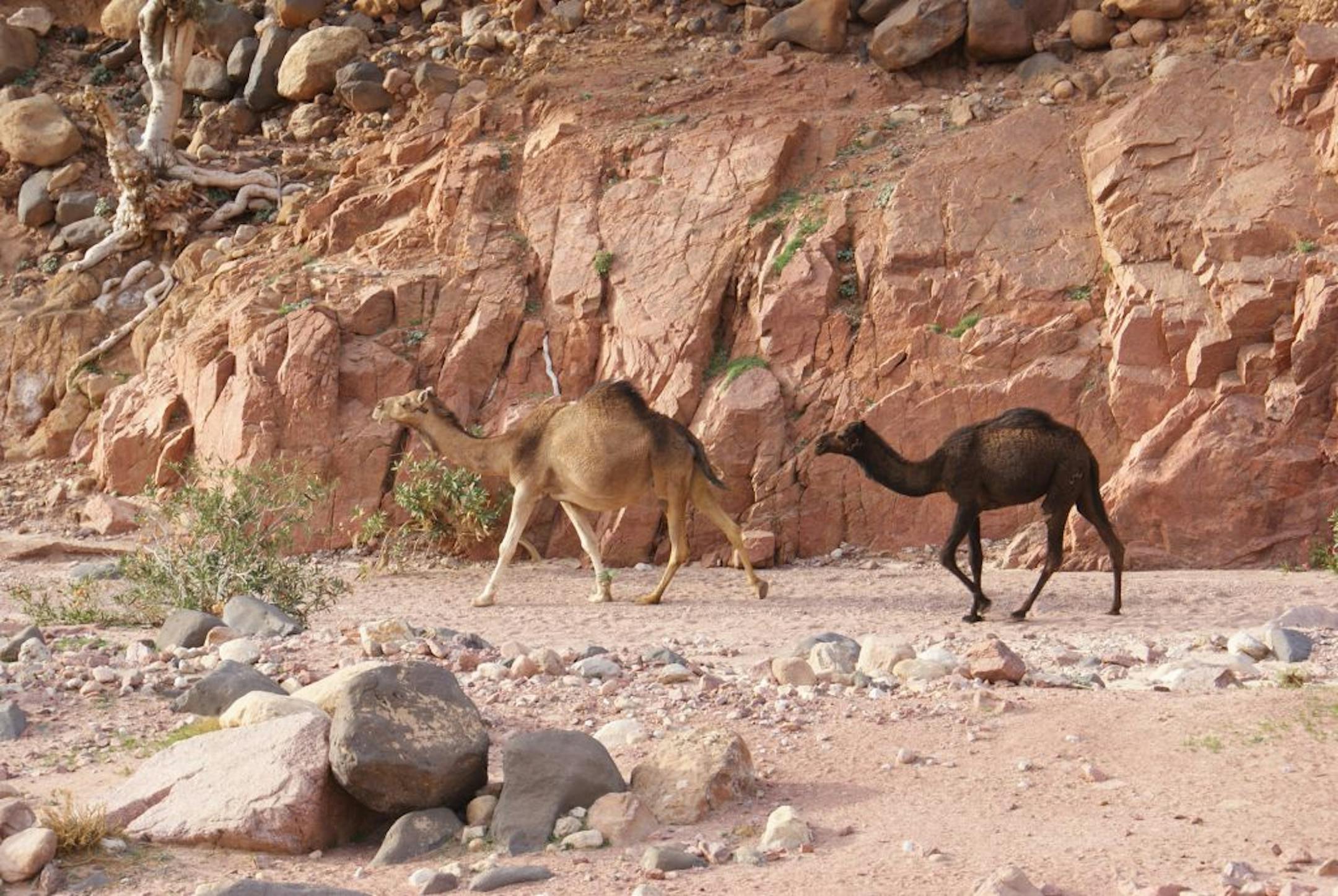
Starting from the hilltop perch of Dana village, I began my exploration by hiking the 9-mile Wadi Dana Trail as it snaked 4,000 feet down into the reserve's central gorge. Down the steep switchback lined with juniper and lonely cypress trees; down the bone-dry watercourse that cut the valley; down past rock formations that looked like gothic pipe organs. And then, hints of humanity: the tinkle of goats' collar bells, a gaggle of domesticated camels with fettered forelegs, and finally some ragtag Bedouin encampments, where dusty-faced children watched me pass.