

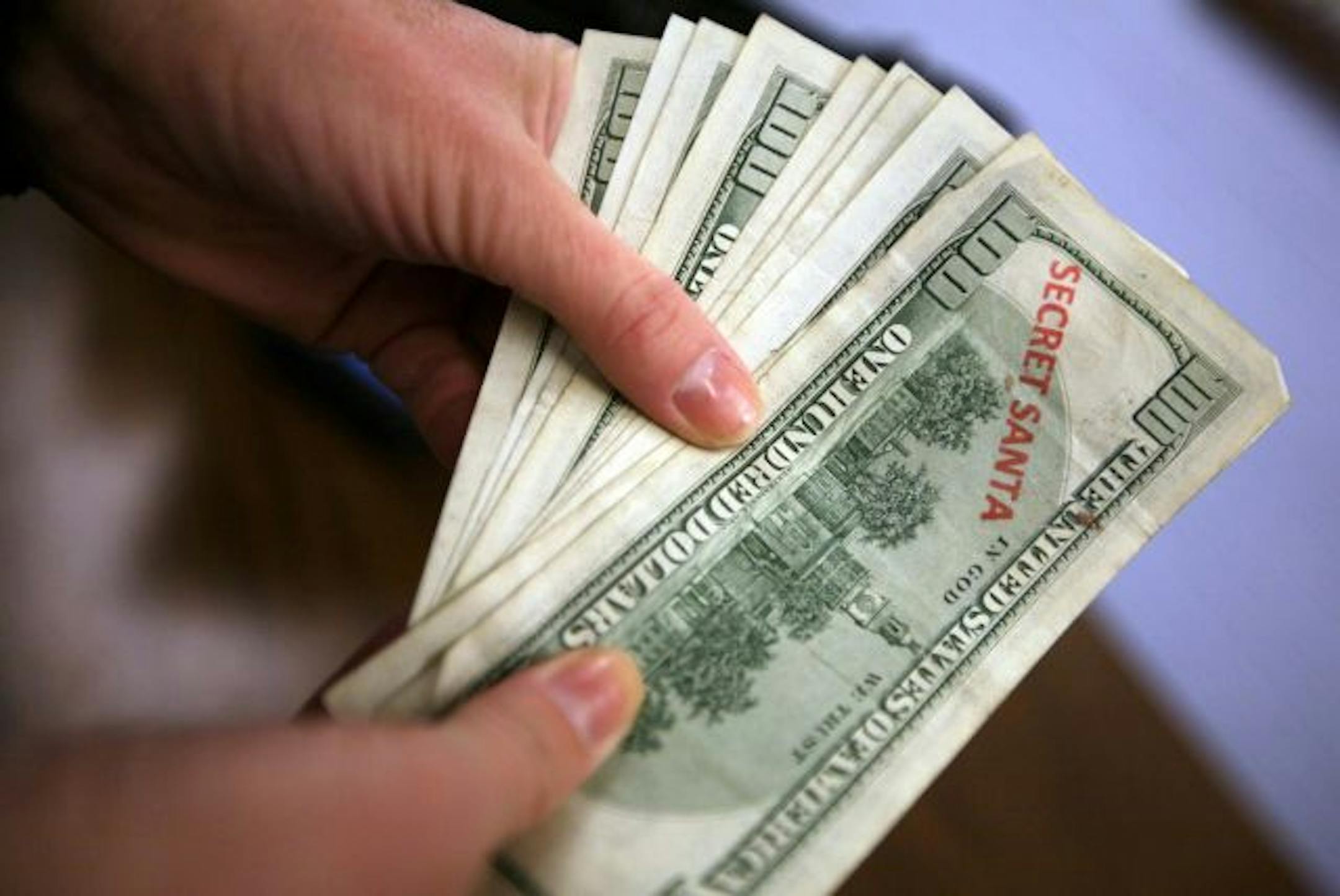
The Oxford dictionary describes a gift as “a thing given willingly to someone without payment.”
That seems simple enough. Except it isn’t. Pure giving can be pure joy. But payment comes in a lot of different forms.
So when you give something expecting something back, is it really a gift? Let’s explore the payments we might expect that get in the way of giving.
The first payment is appreciation. Unless we give anonymously to an anonymous person, we might expect appreciation for our gift. But how deep does that appreciation need to go in order for us to feel adequately compensated? Does a simple thank you suffice? Does it need to be a handwritten note? How about the beneficiary talking about the gift and fawning about it?
If you have expectations around how someone needs to accept your gift then express them to the receiver. If they don’t live up to your expectations, it can guide your future behavior. But ultimately, this is your issue, not theirs.
Another form of payment is anticipated behavior. We have clients who want to make gifts to their children as long as the children use it in a way that satisfies the intention of the parent. They feel a gift of money should fund a Roth IRA rather than a vacation.
Often in these cases, we encourage the client to directly fund their children’s Roth IRAs rather than judge the children’s decisionmaking prowess by how closely it resembles their own. The clients are in a different stage of life, surely in different circumstances and likely don’t accurately recall what it’s like being in their kids’ stage. When you expect someone to perform for your gift, then you have entered into a contract.
How about love as payment? When you make a thoughtful gift, regardless of its size, are you trying to buy love? Gifts are snapshots in time, so no matter how wonderful, they are still ephemeral. We have yet to see clients permanently fix troubled relationships through gifts.


