

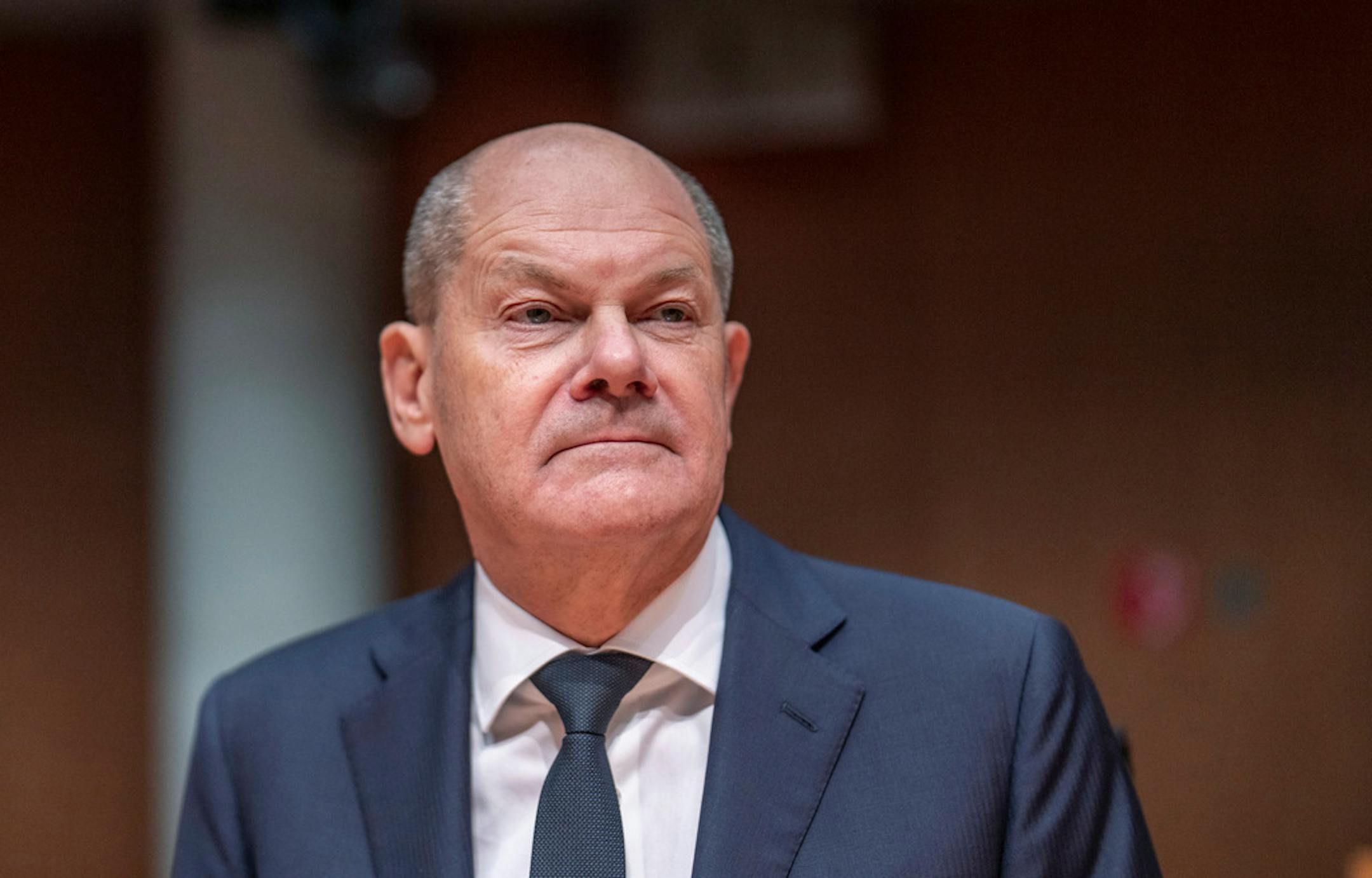
BERLIN — German Chancellor Olaf Scholz spoke Friday with Russian President Vladimir Putin, the Kremlin leader’s first publicly announced conversation with the sitting head of a major Western power in nearly two years. Scholz urged Putin to be open to negotiations with Ukraine, his office said.
The Kremlin leader responded that any peace deal should acknowledge Russia's territorial gains and security demands, including that Kyiv renounce joining NATO.
Government spokesman Steffen Hebestreit said Scholz urged Putin in the hour-long call to withdraw his troops and end the full-scale invasion launched in February 2022. The conflict will reach its 1,000th day on Tuesday, and exiled Russian opposition leaders, including Alexei Navalny's widow, Yulia, have set an antiwar rally for Sunday in Berlin.
''The chancellor urged Russia to be willing to negotiate with Ukraine with the aim of achieving a just and lasting peace and stressed Germany's unwavering determination to support Ukraine in its fight against Russian aggression for as long as necessary,'' Hebestreit said in a statement.
The new communication between Scholz and Putin — their first since December 2022 — comes at a time of widespread speculation about what the new administration of President-elect Donald Trump will mean for Ukraine. Scholz faces a political crisis at home and has called for a vote of confidence next month, with an early election in February.
Washington has been Ukraine's biggest military backer, but Trump has repeatedly questioned the amount of aid being given to Ukraine. While Trump has suggested he could settle the war quickly, Ukraine has ruled out giving up any territory to Moscow in return for peace.
Ukrainian President Volodymyr Zelenskyy criticized Scholz's call to Putin, calling it ''a Pandora's box'' and would only serve to make Russia less isolated.
''Now there may be other conversations, other calls. Just a lot of words. And this is exactly what Putin has wanted for a long time,'' Zelenskyy said in his nightly address. ''It is crucial for him to weaken his isolation. ... And to engage in negotiations, ordinary negotiations, that will lead to nothing.''
