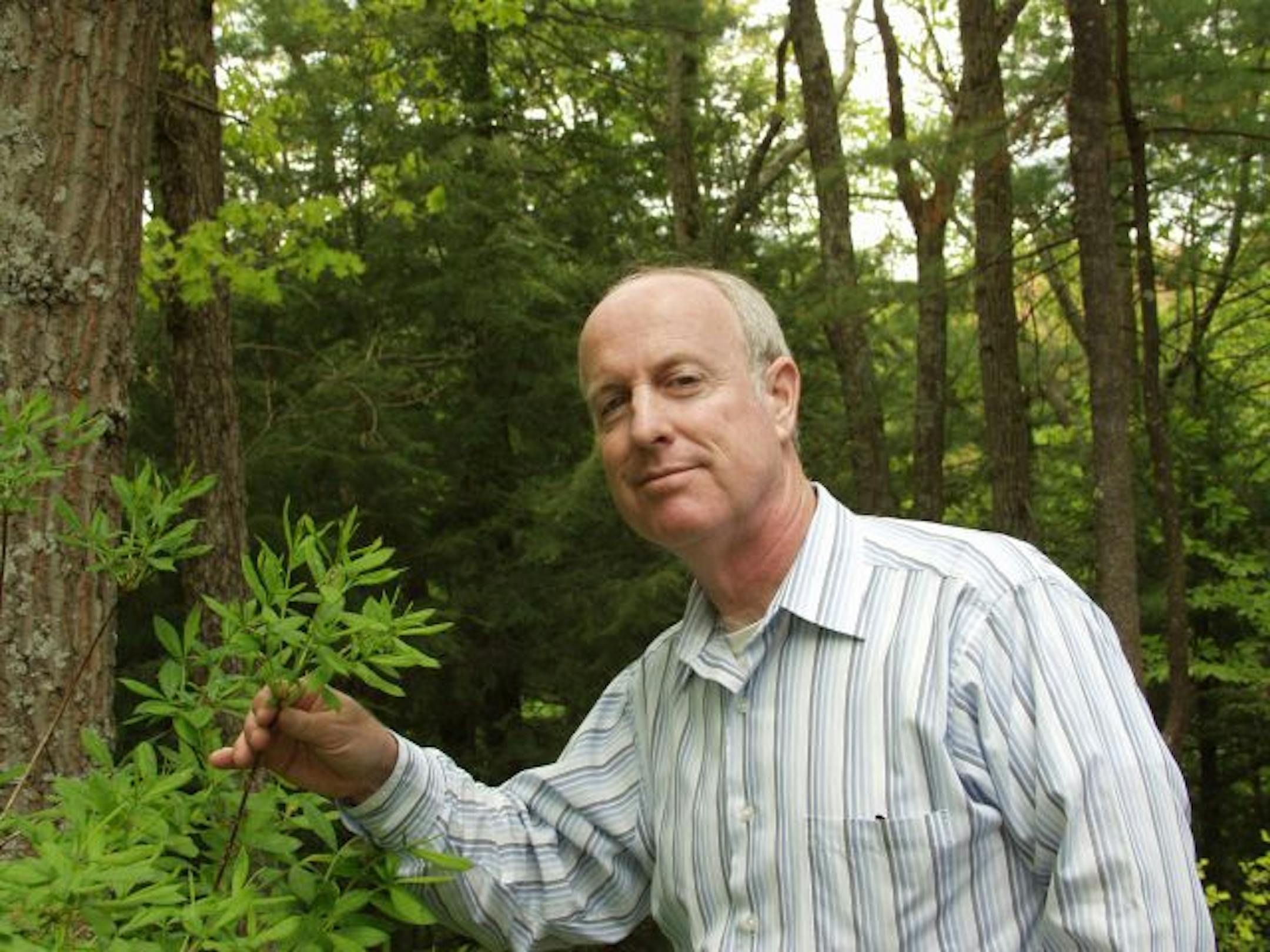
Douglas Tallamy might just turn your idea of gardening on its ear. That's because Tallamy judges plants not by how they look, but by how they function in the environment.
Tallamy, a professor of entomology and wildlife ecology at the University of Delaware, has studied the link between native plants and native wildlife. What he's learned is that the loss of native plants results in loss of native insects, which provide food for birds and other animals. In his book, "Bringing Nature Home: How Native Plants Sustain Wildlife in Our Gardens," he argues that what we grow in our own back yards makes a difference in our world. He'll bring that argument to town next week when he speaks at the Wild Ones conference.
Q You have a unique take on gardens, don't you?
A Most gardeners look at plants as ornaments. I look at what they do. I just want people to realize their gardens have a function. We've designed our landscapes only for aesthetics. We put in pretty plants and if we see an insect, we kill it. That's an extremely artificial environment. We're not looking at our gardens as living, changing ecosystems.
Q What's wrong with looking to plants for pretty?
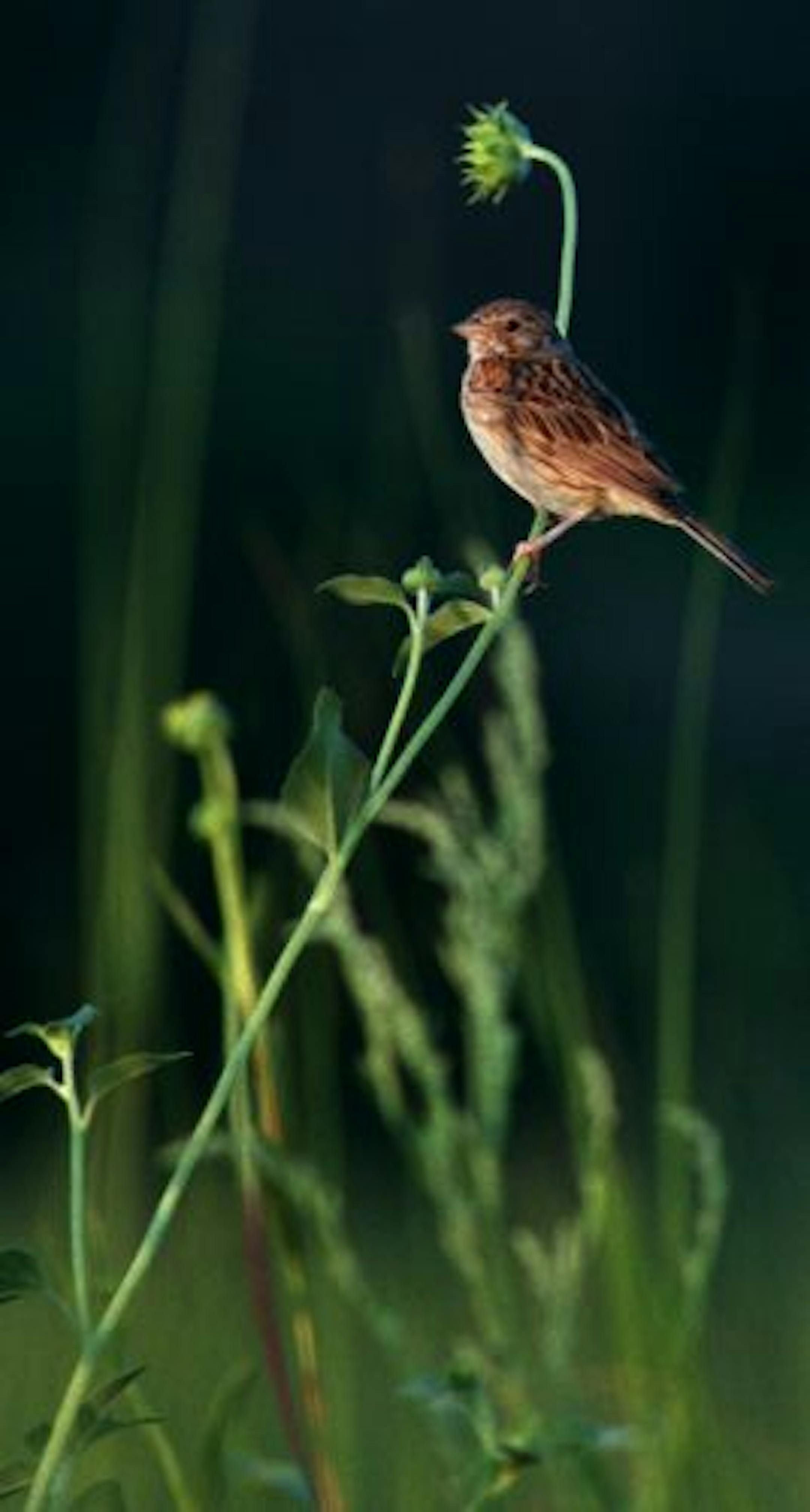
A There's nothing wrong with it, unless everybody does it. It's imperative that we change the way we treat our landscapes. We have a serious extinction crisis on our hands. Ninety percent of all birds rear their young on insects. If there are no insects, then there will be no birds.
Q Does one yard really make a difference?
A We have this idea that nature is happy somewhere else. But we've taken 95 percent of nature. Fifty-four percent is in cities, 41 percent goes to farms. If nature is going to survive, it's going to be in our yards and parks.