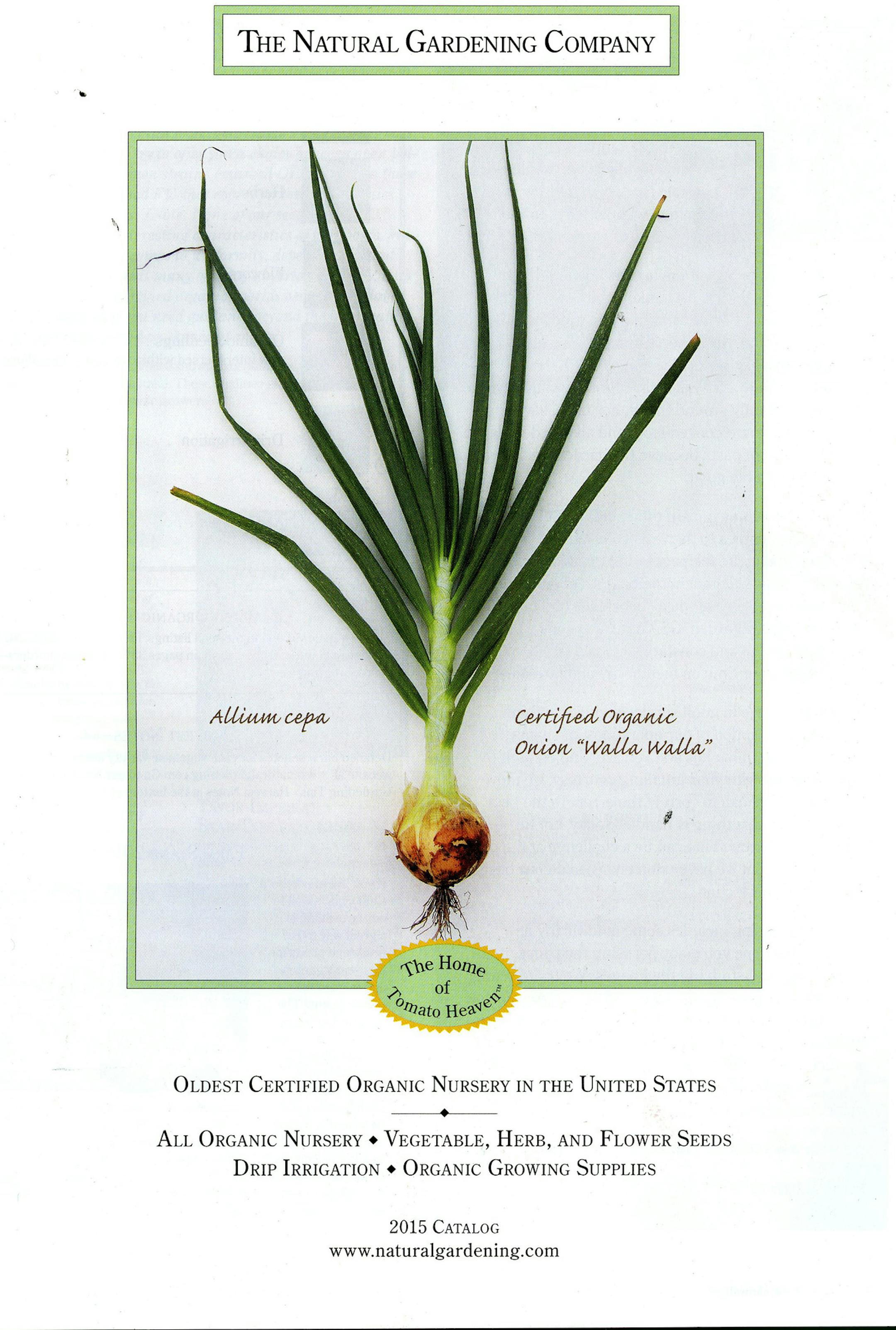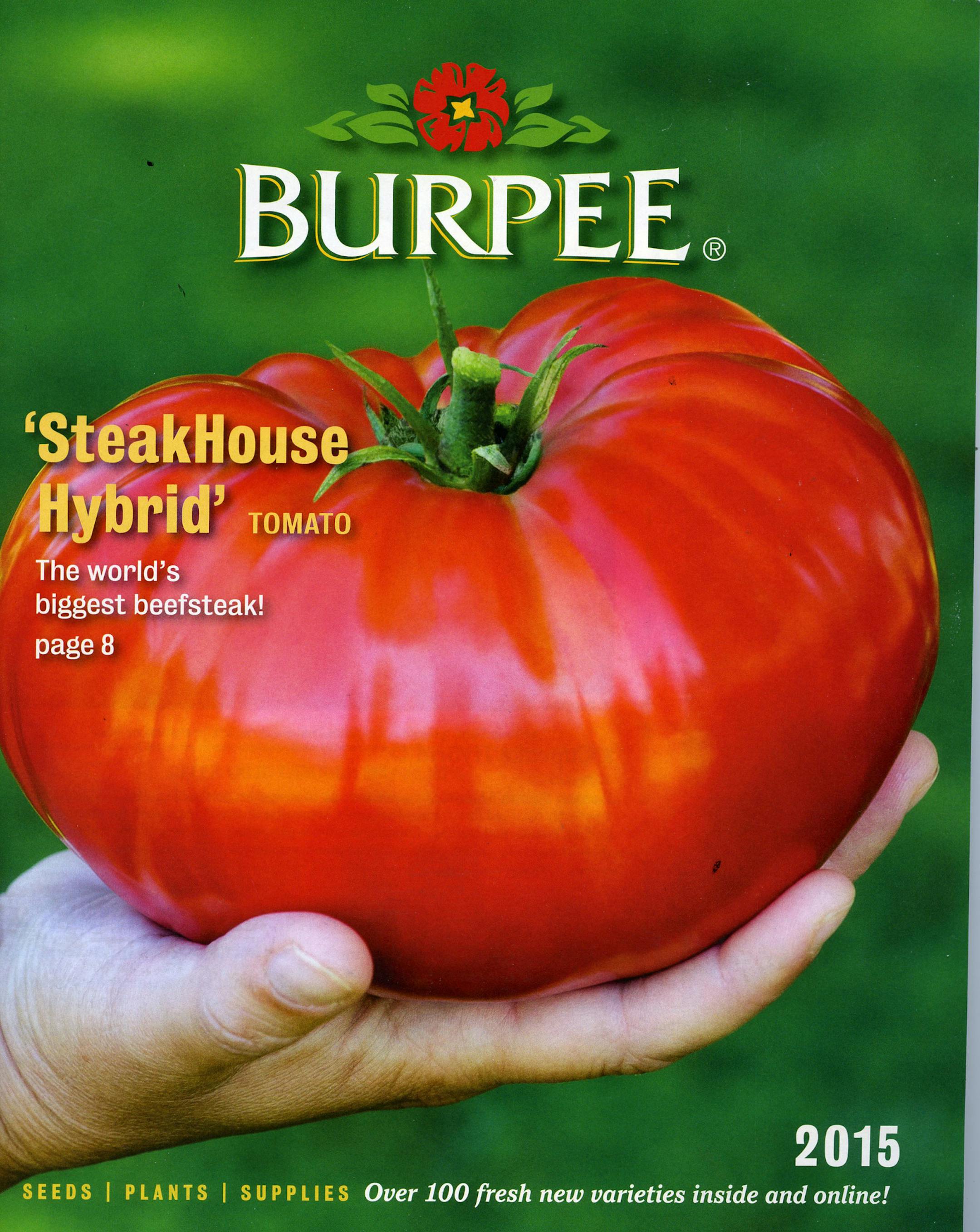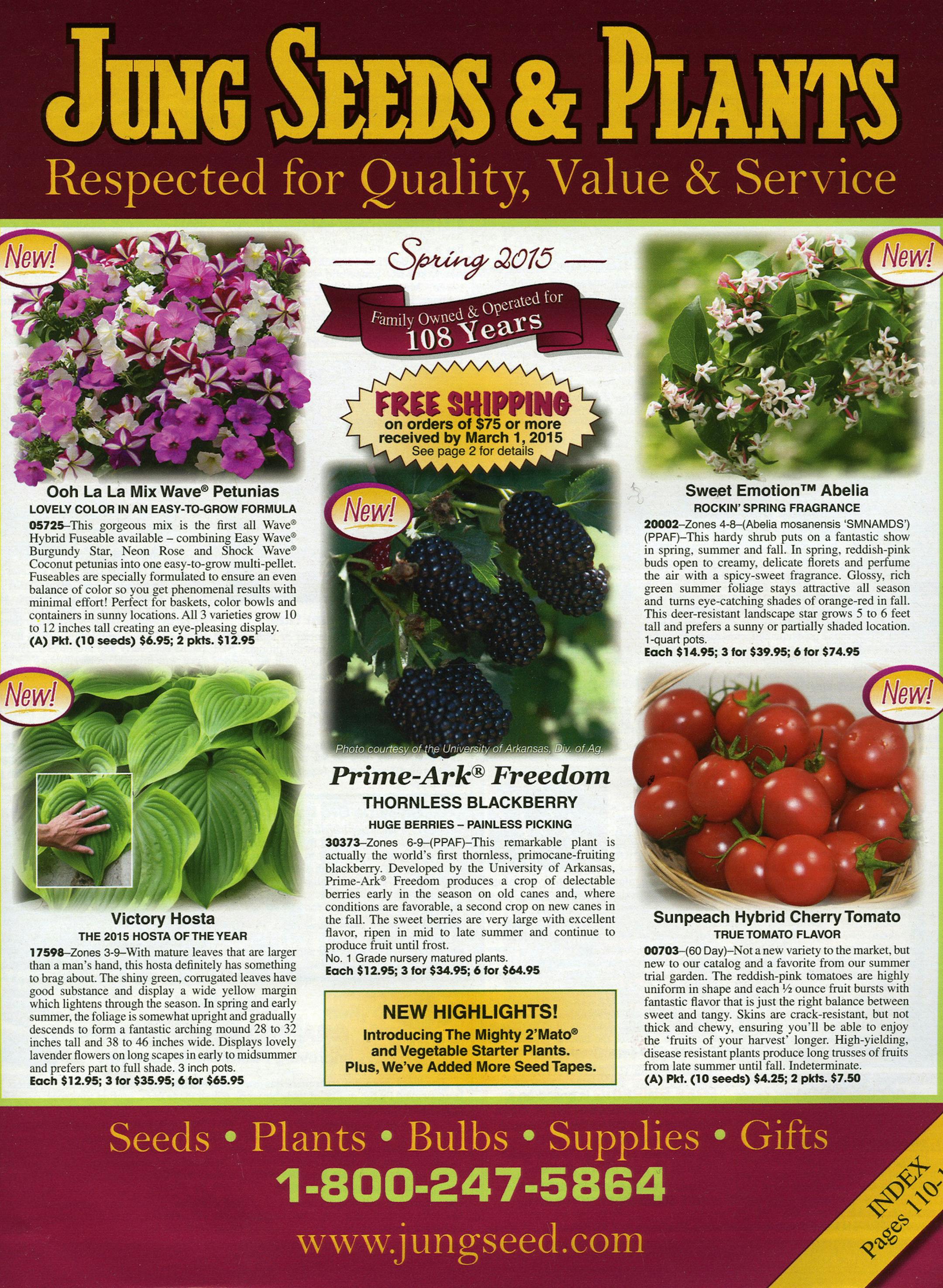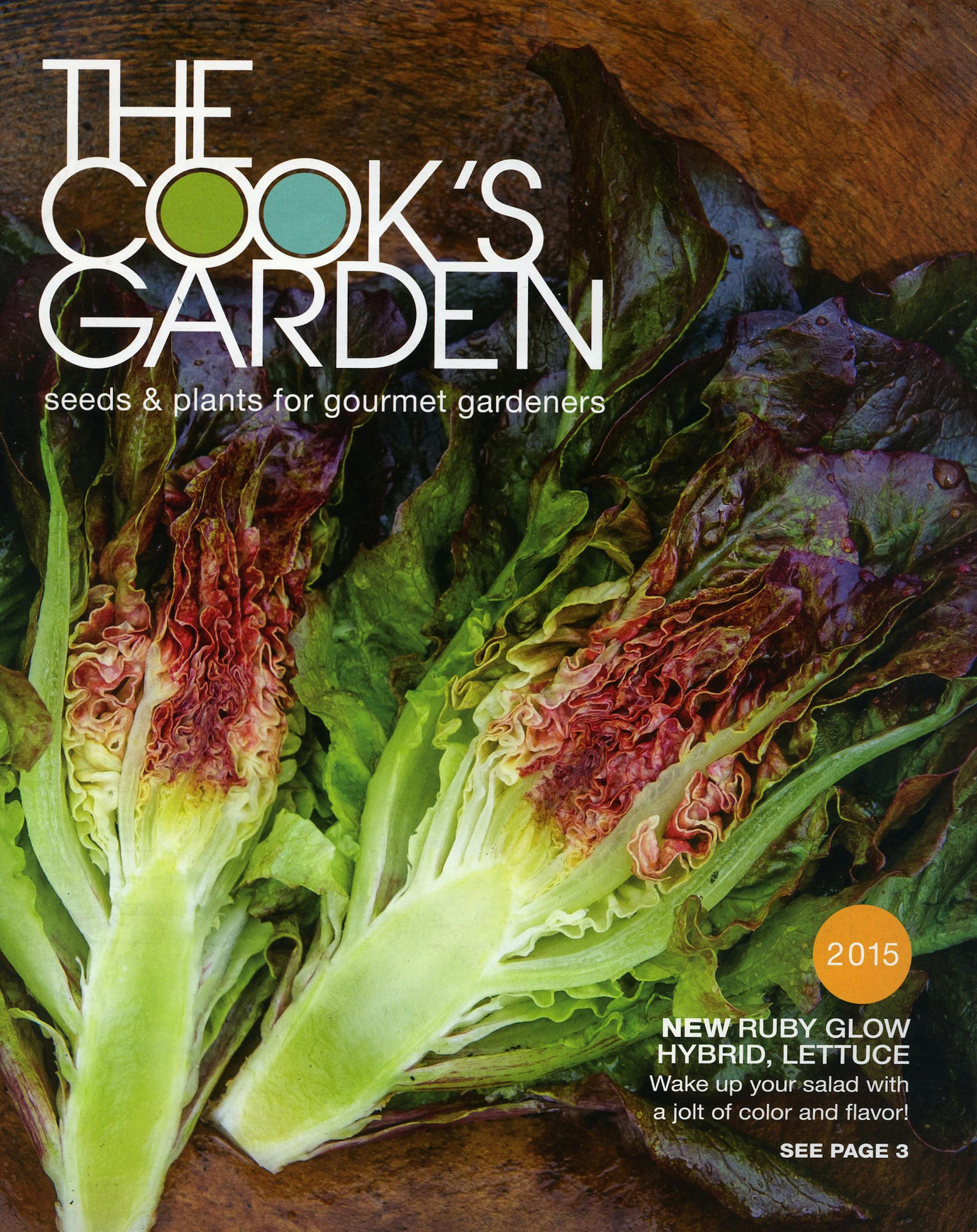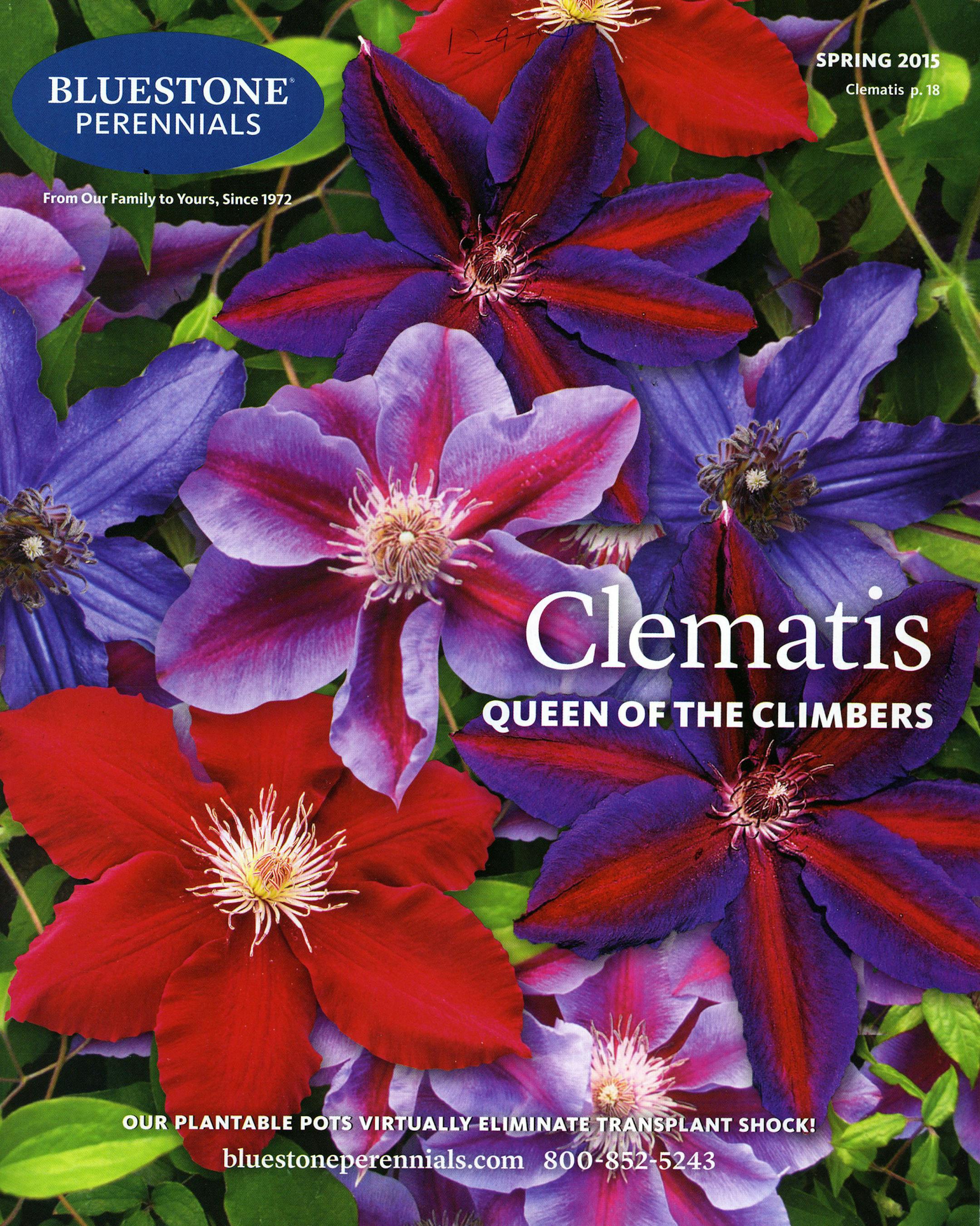
The best garden you'll ever grow is that one you sow with fertile imagination while thumbing through the garden catalogs in winter. In this garden, the rows are straight, the foliage is without blemish and every tomato tastes above average.
I used to plan my dream garden this way: As soon as I had ushered the in-laws out the door after the holidays, I would grab a hot beverage and settle in for some serious perusing, armed with sticky tabs and yellow highlighter.
These days, though, I have to remember where I stashed the catalogs during the holiday chaos. Christmas creep has crept into the garden world, too. Now catalogs arrive as early as Thanksgiving. Who has time for seed selecting then? So, I dutifully hide them and save them for early January, when I have the time to be tempted by all those mouthwatering photos.
Mail-order and online garden companies offer a dazzling array of varieties, including ones not typically seen in the garden centers. But before you buy, you need to think about what you want — and decipher exactly what these catalogs are selling.
Seed vs. plant
First off, figure out if you want seeds, plants or a combination. Seeds started indoors demand a greater commitment. It's best if you have artificial lights, rather than using natural daylight. You need a soil-less potting mix, clean containers and a bit of patience. Also, you have to carefully plan when to sow them, counting backward from last frost in spring. Plants tend to be easier to care for, but don't ship as well as seeds.
Whether you decide on seeds or plants, be sure to check the "days to maturity." You're smart to rule out cultivars that need a long, hot summer to flower or fruit. Instead, look for "early maturing" or descriptive words like "mountain," "spring" and "cool," which usually denote veggies bred for short-season success.
Say what?
Catalogs are written in horticultural hieroglyphics; the codes, symbols, icons and abbreviations that fill the pages can be confusing.
The little sun and shade icons seem self-explanatory, but are they? Partial shade and partial sun seem interchangeable — but perennials and shrubs recommended for partial shade prefer morning sun, while partial sun can stand stronger afternoon exposure.