

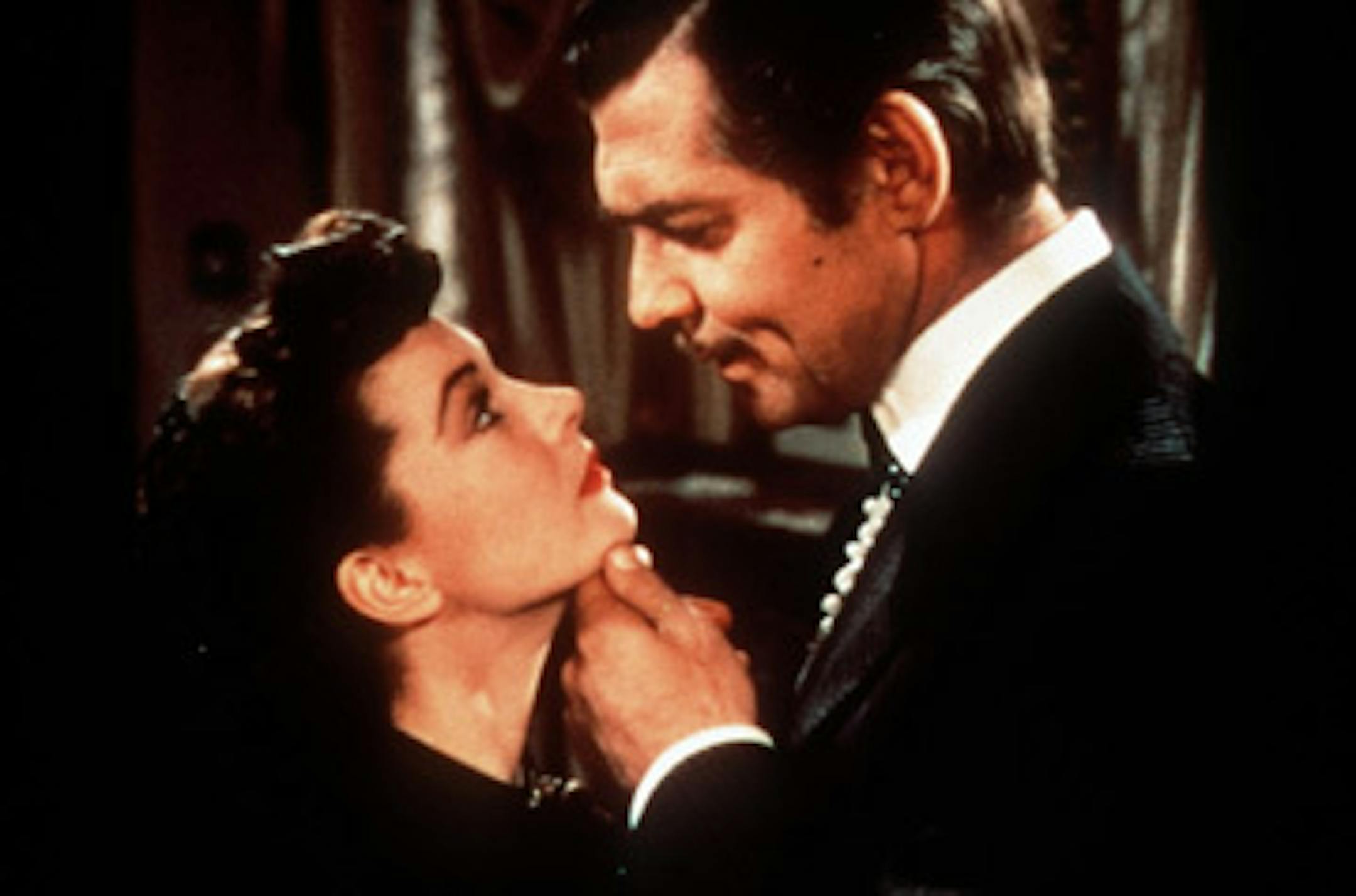
"I'm going back to Charleston, back where I belong. ... I want to see if somewhere there isn't something left in life of charm and grace."
Rhett Butler in "Gone With the Wind"
With these words, Rhett Butler stalked from the Atlanta home he shared with the stunned and tearful Scarlett O'Hara and disappeared into the mist -- the perfect metaphor for the Lost Cause ethos on which Margaret Mitchell's classic American tragedy was based.
Second acts in literature are notoriously difficult to pull off. Mitchell herself didn't even try, but that did not prevent her estate from commissioning a sequel to "Gone With the Wind" by Alexandra Ripley, whose "Scarlett" debuted in 1991 to universal critical opprobrium -- and immense sales.
Of the many significant personalities in "Gone With the Wind," none was more mysterious or compelling than Butler, who came to life forevermore as Clark Gable in the 1939 film epic.
Now comes "Rhett Butler's People," by Donald McCaig, the historical novelist whose 1999 masterpiece, "Jacob's Ladder," is among the top Civil War novels ever written.
"Rhett Butler's People" is faithful to Mitchell's lament for a vanished civilization, yet pleasingly updated in subtle ways, and it is an accurate portrayal of the time, mores, manners and thought in which the story unfolds. And McCaig's prose shows him to be a craftsman of the first rank:
"Charleston surrendered, Columbia burned, Petersburg fell, Richmond burned; the Confederate armies surrendered. It was finished. After four bitter years, the war was over. From the Potomac to the Rio Brazos, grass softened the abandoned earthworks, skeletons of men and horses vanished beneath new growth, and by June's end, when the grass slumped in the heat, only burned plantation houses, shattered cities and broken hearts testified to what had happened to the South."


