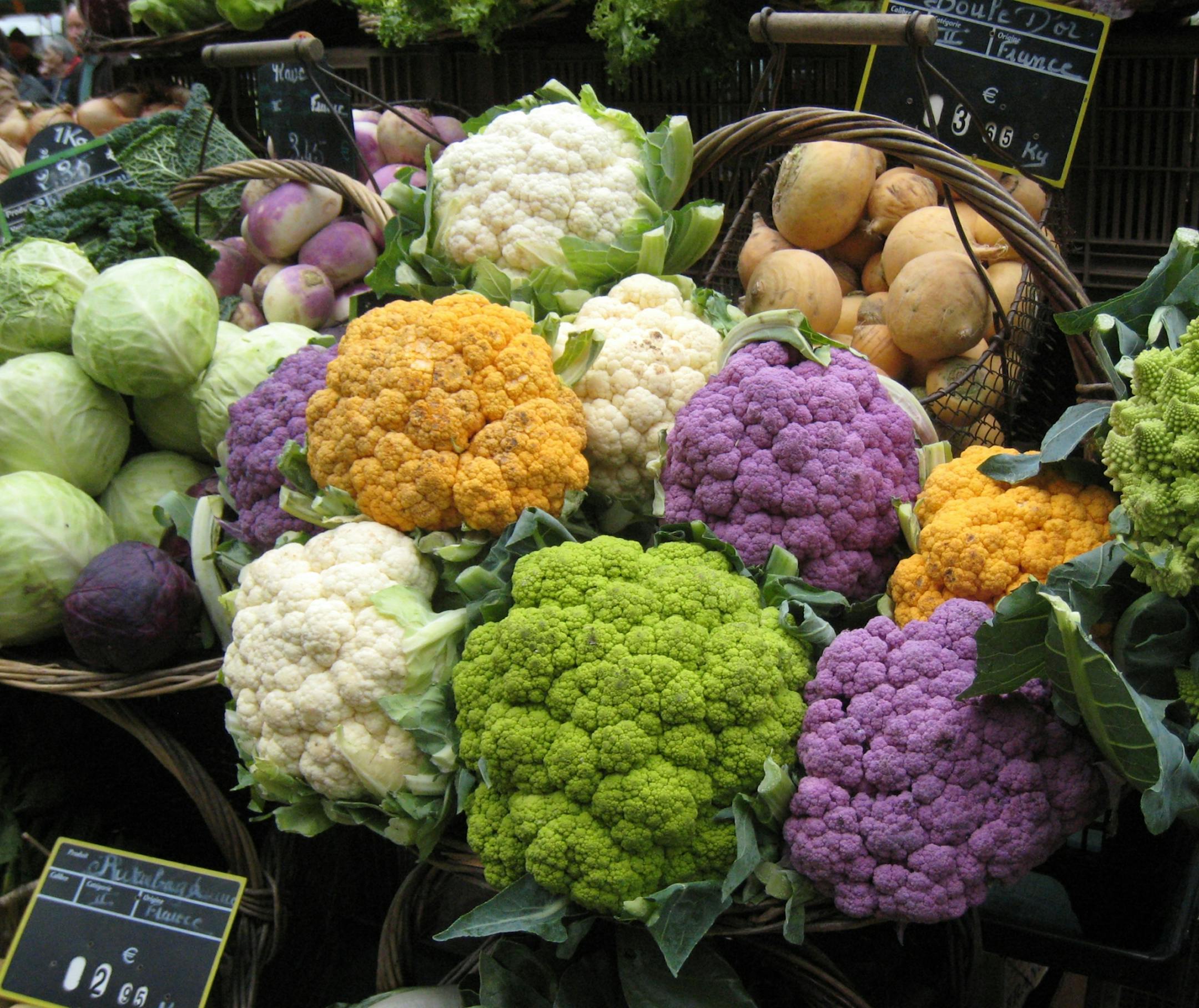
We rounded a corner and stopped in our tracks. Festooned with myriad canopies and rickety carts perched atop ageless cobblestone, the Beaune farmers' market in France's Burgundy region looked so medieval that we half expected Charlemagne and his knights to march through in full regalia. ¶ One of the first stands offered cauliflower in four vivid colors; the next one, radishes in even more hues. Shortly, we came upon bread that smelled of salt and yeast and life itself. A half-dozen tables boasted cheeses so piquant and deeply flavored that each sample prompted us to wonder, "Why did we buy cheese at that last place?" At the back end, two puckish purveyors insisted that we sample a cornucopia of cured meats, somehow both silken and rustic.
The market was such a feast for all five senses -- even if my sniffing strawberries was frowned upon mightily -- that a post-shopping respite was in order. Blessedly, there was a grassy park nearby, where a toothy gentleman -- bearing a fin-de-siecle straw hat and a red kerchief tied just so around his neck -- pumped "La Vie en Rose" out of a tiny, crimson organ box.
It was the kind of moment that travelers crave, when you just know that you are a part of another country, and it is a part of you.
Burgundy oozes history, its physical beauty stirs the soul and the locals put the kibosh on the claim that France is great "except for the people." Even if that bit of bashing held true in Paris -- and it doesn't, save for the occasional taxi driver -- it's an utter canard in Burgundy.
"Burgundians remind me of the people of our agricultural communities," my friend Joe said. "The locals seem to value their own privacy and to respect yours. They also smile easily and are almost always helpful."
The wine and the food are not too shabby, either.
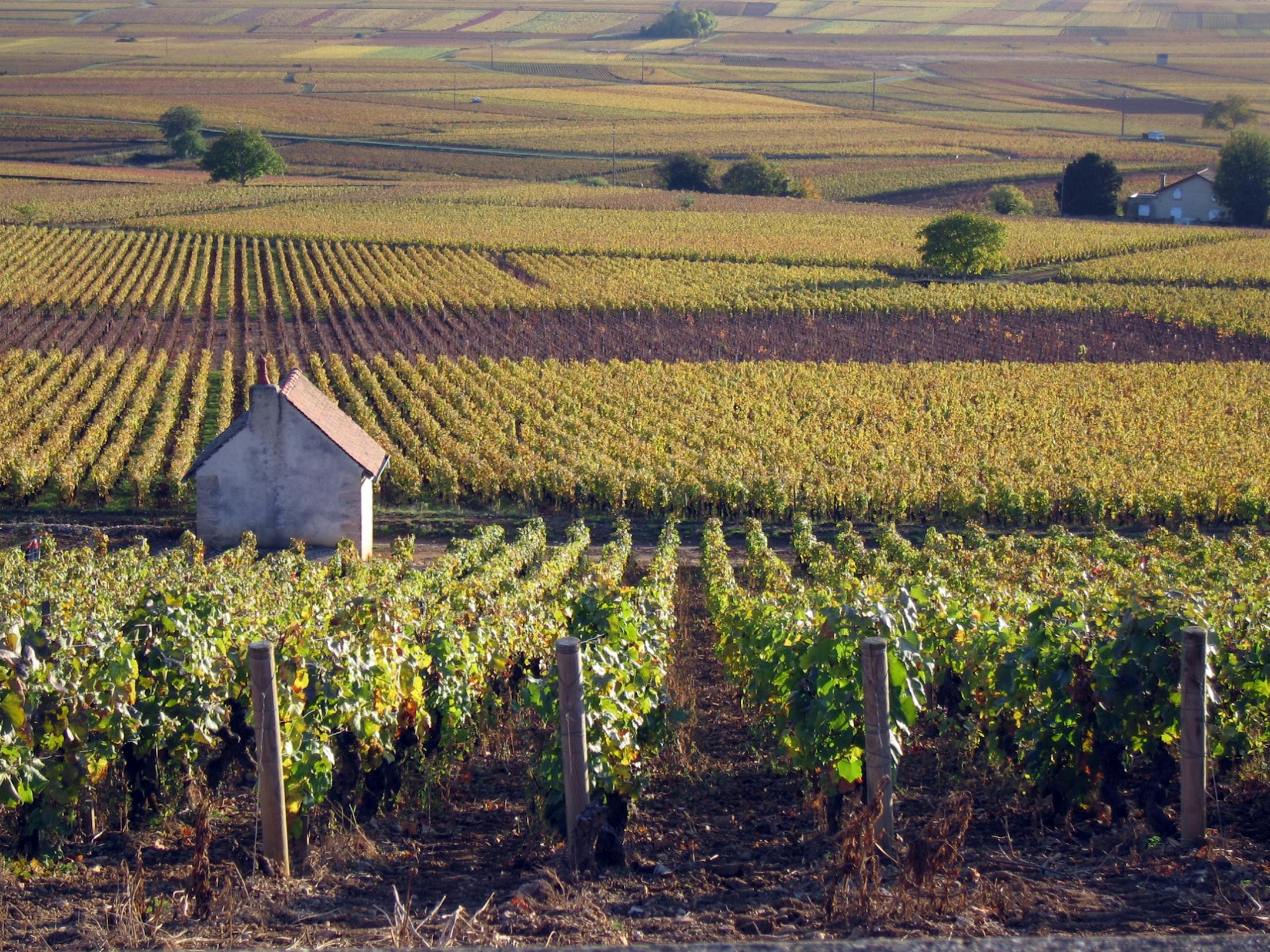
While Burgundy is a mecca for oenophiles, even teetotalers can find much to relish in this rolling swath of southeastern France -- especially if they are history buffs.
The duchy was established in the ninth century by Count Richard of Autun, brother-in-law of France's king, Charles the Bald. Its power peaked from 1364 to 1477 under four dukes -- Philip the Bold, John the Fearless, Philip the Good and Charles the Bold. During the latter's reign, Burgundy was larger than France, stretching from Switzerland to the North Sea and including all of what is now Belgium, Luxembourg and the Netherlands.